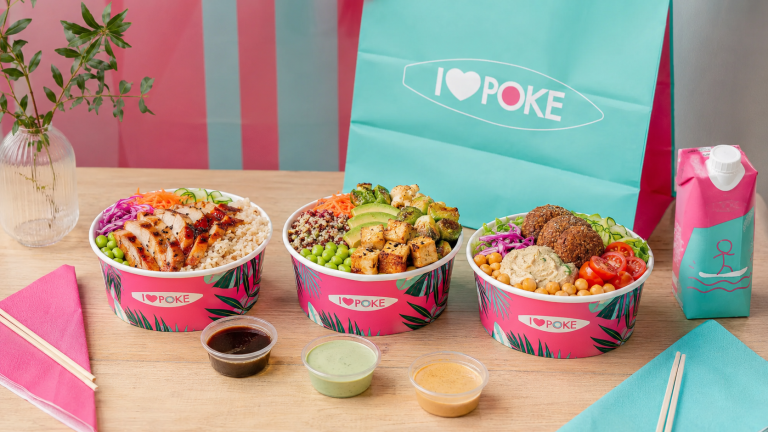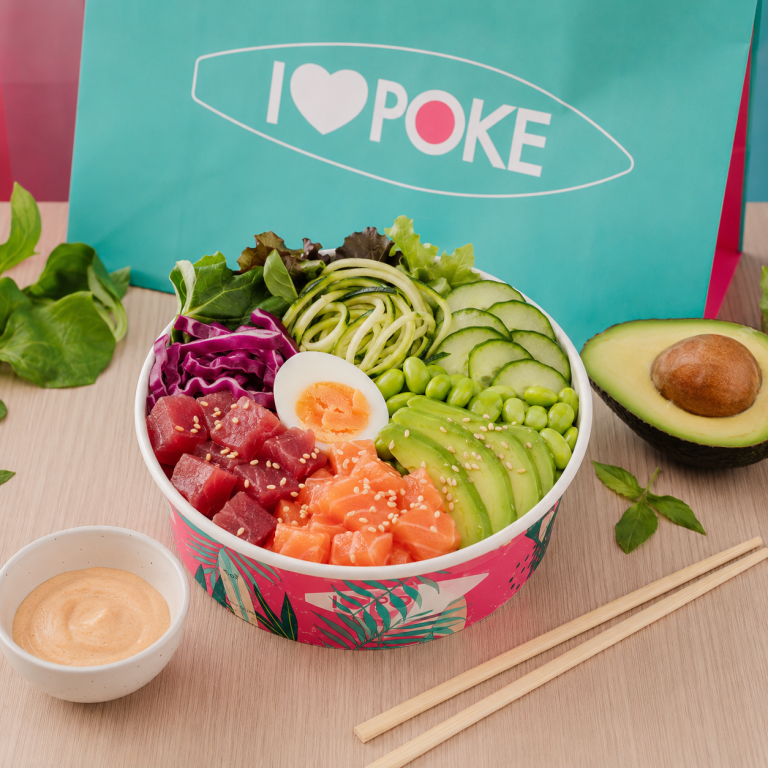


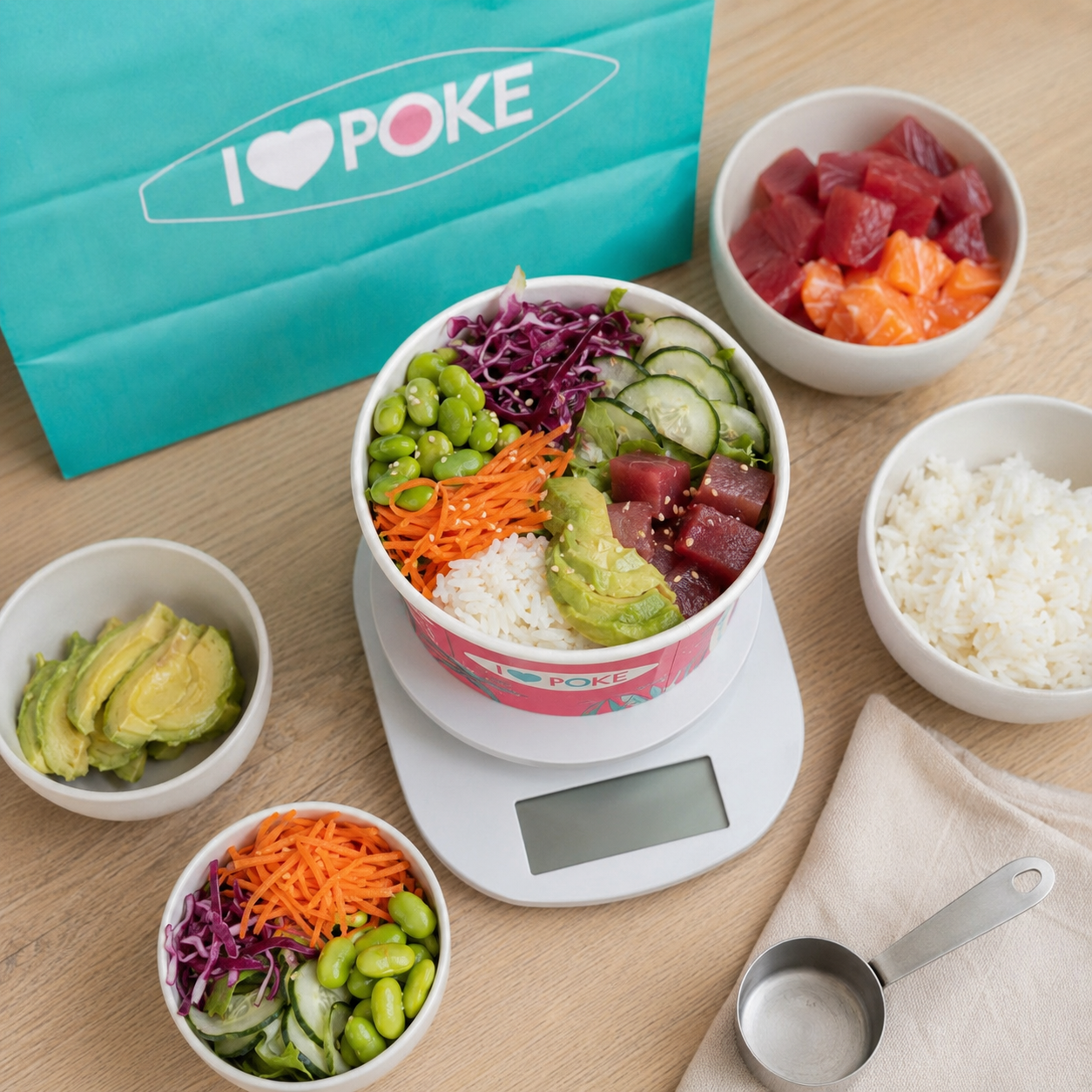
Understanding the nutritional values of a poke bowl is useful when you want to compose a meal more consciously, without giving up taste. Poke, in fact, is a dish that is easy to read: it starts with a base, adds a protein source, includes fresh ingredients, and is completed with toppings and dressings. This very structure makes it easier to navigate between proteins, carbohydrates, fats, and fibers.
There is no single answer valid for everyone, because the nutritional values of poke bowls change based on the chosen ingredients and quantities. However, there are practical criteria that help to understand if a bowl is more balanced, lighter, or richer. If you want to explore ideas and combinations, you can also take a look at the Menu to see how the composition of this dish can vary.
Guideline table of macros for a basic poke bowl
When it comes to poke bowl nutritional values, it is best to start with a simple scheme. A basic bowl, without going into too much technical detail, can be understood as follows:
- Carbohydrates: mainly come from the base, such as rice or similar alternatives.
- Protein: depend on the chosen source and greatly affect the perception of meal completeness.
- Fats: can come from naturally richer ingredients or from toppings and sauces.
- Fibres: increase with vegetables, fruit, seeds, and plant-based ingredients.
In general, a bowl built with a base, a protein, more plant-based ingredients, and a well-measured dressing tends to have a more harmonious distribution of macros. This is why poke is often perceived as a versatile dish: you can make it more essential or richer simply by changing a few elements.
A practical way to interpret the bowl is to think about the composition of the dish as a whole:
- the base mainly affects the overall energy;
- the protein contributes to the structure of the meal;
- the vegetables help to give volume and variety;
- i topping can significantly shift the nutritional profile;
- the sauces they often make more of a difference than you might think.
For this reason, when evaluating nutritional values, it is not enough to stop at the name of the dish: it always matters how it was composed.
How the nutritional values of poke bowls change with different bases and proteins
The most interesting part of the poke is that every choice modifies the final balance. The nutritional values of poke bowls can change a lot starting from the base.
The role of the base in carbohydrates
If you choose a more present base, the weight of the carbohydrates will naturally be greater. This does not mean that the bowl is less balanced: it depends on the context and how you pair the rest. A well-proportioned base can coexist perfectly with proteins, fibers, and fats in a balanced way.
If instead you prefer a lighter composition, you can lean towards a greater presence of plant-based ingredients, thus reducing the impact of the starchy part and increasing the feeling of freshness.
How the protein source affects it
Protein is one of the elements that most defines the profile of the bowl. Some options make the dish more straightforward, others richer or more intense in flavor. In practical terms:
- a more essential protein source tends to leave space for the other ingredients;
- a tastier or more structured choice can also increase the fat content;
- the pairing with toppings and sauce can greatly amplify the final result.
If your goal is to build a macro balanced poke, the most useful thing is to observe the relationship between base and protein, not the individual isolated ingredients. A well-thought-out bowl works when no element takes over too much.
Toppings and dressings: the details that change everything
Often the focus is on the base and protein, but it is the final details that really shift the nutritional profile. Seeds, crunchy ingredients, creamy elements, and sauces can increase the amount of fats or make the bowl richer and more satisfying. At the same time, vegetables and additional plant-based ingredients can raise the fibres and improve the variety of the dish.
The simplest advice is this: if you really want to understand your bowl, always consider the whole. An apparently light composition can become more intense with toppings; a richer bowl can remain balanced if built carefully.
Lighter, more protein-rich, or more filling combinations
One of the advantages of poke is customization. Depending on how you compose it, you can achieve a different result even while staying within the same format.
For a bowl with a lighter profile
If you are looking for a fresher and simpler bowl, it generally works well:
- a moderate base;
- a good presence of plant-based ingredients;
- a well-integrated protein;
- seasonings used in balance.
This approach helps keep the dish smooth, without making it too heavy. To get inspiration on how to combine the ingredients, you can also read Create Your Poke Perfect Bowl Ingredients And Tips.
For a more protein-rich bowl
When you want to give more space to proteins, the key point is not to unbalance the rest. A more protein-rich bowl works better if it still maintains a consistent base, fresh ingredients, and toppings that are not too overpowering. This way the dish remains pleasant to eat and does not lose variety.
The feeling of balance matters a lot: a bowl should not only be “rich” in something, but well constructed overall.
For a more filling bowl
Perceived satiety does not depend on a single factor. It usually increases when the bowl contains:
- carbohydrates well present but not excessive;
- proteins in an adequate amount;
- fibres from various plant-based ingredients;
- a small component of fats that gives roundness to the taste.
It is precisely this mix that makes poke a flexible dish: you can adapt it to the time of day, your hunger level, and the style of meal you prefer.
How to read the values usefully without extremes
Talking about poke bowl nutritional values does not mean turning the meal into a continuous calculation. The most useful idea is to use macros as a compass, not as a rigid constraint.
A simple way to read a bowl is to ask yourself these questions:
- is the base proportionate to the rest?
- is there a well-defined protein source?
- are there plant-based ingredients in interesting quantities?
- do toppings and sauces complement or overload?
If the answer is yes, it is likely that you have a well-constructed bowl in front of you. In many cases, the concept of macro balanced poke coincides exactly with this: a dish where the different elements coexist naturally, without unnecessary excesses.
It is also worth remembering that values can vary depending on the recipe and actual composition. If you want a more precise reference on a specific combination, check the product sheet when available. For those who love to experiment at home as well, the section Recipes can be a good source of inspiration to better understand the balance between ingredients.
In the end, reading nutritional values usefully mainly means understanding how one ingredient interacts with others. Poke is also liked for this: it is immediate, colorful, customizable, and easy to adapt to your tastes with a simple approach.
If you want to learn more about how to build a bowl in an even more conscious way, the best starting point is Create Your Poke Perfect Bowl Ingredients And Tips: you will find practical tips to combine ingredients, textures, and flavors with more balance and personality.
FAQ
Is a poke bowl always balanced in terms of macros?
Not always. It depends on how it is composed: base, protein, plant-based ingredients, toppings, and sauce influence the balance between carbohydrates, proteins, fats, and fibers.
Which ingredients have the greatest impact on the nutritional values of a poke bowl?
They usually affect mainly the base and the protein source, but toppings and dressings can also greatly change the final profile of the bowl.
How can I get a macro-balanced poke?
Generally, it is advisable to combine a proportional base, a well-defined protein, a good presence of plant ingredients, and seasonings balanced in dosage.
What do the fibers in a poke bowl depend on?
Fibers increase especially with the presence of vegetables, plant ingredients, fruit, and seeds. The more varied the composition, the more the bowl tends to be complete also in this aspect.