

30 Mar Poke bowl and diet: how to include it in a balanced diet
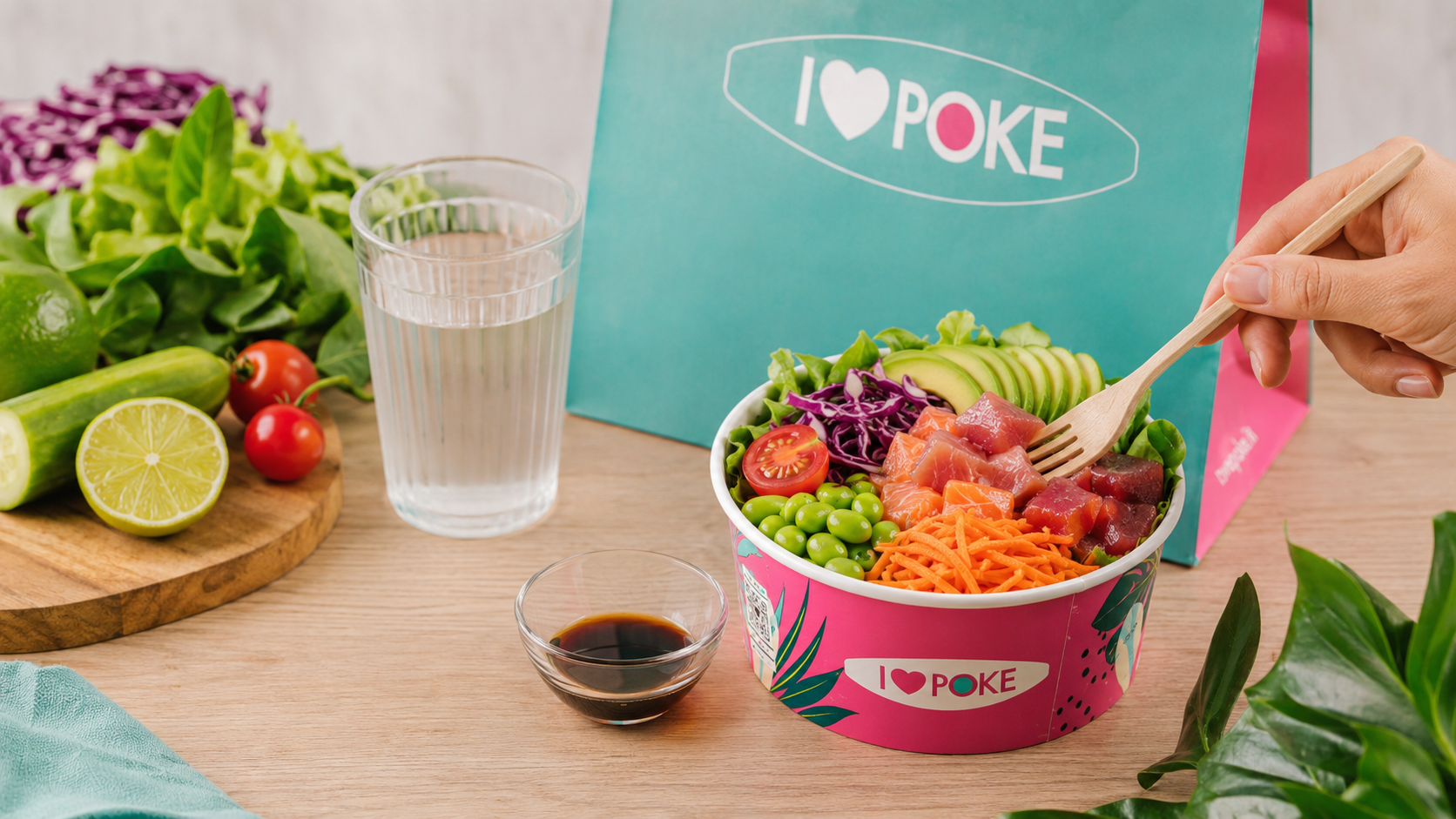
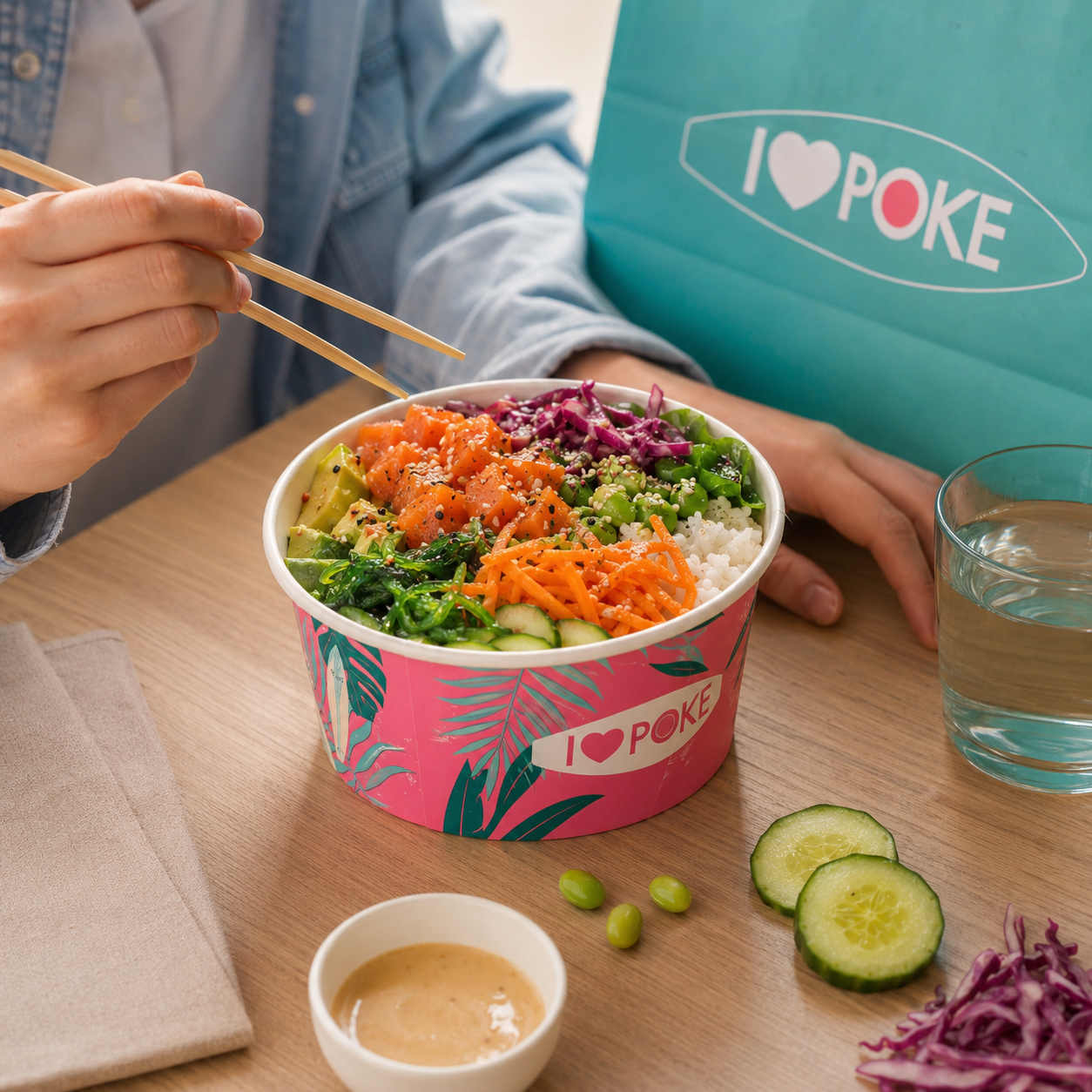
When talking about daily nutrition, the difference is often made by balance, variety, and portions. In this context, the poke bowl can naturally find its place: it is a complete dish, customizable and easy to adapt to different times of the day. For those looking for ideas on poke bowl diet, the point is not to turn the meal into something rigid, but to build a combination that aligns with one's habits and lifestyle.
Practicality is one of the reasons why this format is so popular. In a single bowl, base, proteins, vegetables, and dressings coexist, with the possibility to choose different ingredients based on personal taste. The result is a meal that is easy to understand, fresh, and never monotonous, perfect for those who want to eat mindfully without giving up pleasure.
If you want to better understand how to compose a bowl consciously, it can be useful to also take a look at the Menu, to guide you among the different possible combinations.
Why the poke bowl can fit into a balanced diet
Including a poke bowl in a balanced diet is easier than it seems. The main reason is its flexible structure: each element can be measured and combined carefully, avoiding excesses and aiming for a harmonious whole.
A well-constructed bowl allows you to:
- choose a base more or less abundant;
- add a protein source in a balanced way;
- make room for fresh vegetables and ingredients;
- manage toppings and sauces more consciously.
For this reason, poke is often considered an interesting solution even by those looking for a diet poke: not because there is a single formula valid for everyone, but because customization helps build a meal more suited to one's daily needs.
Of course, balance does not mean renunciation. A bowl can be light and at the same time tasty, colorful and satisfying. The key is to avoid adding too many rich ingredients or very abundant dressings, especially if the goal is to keep the meal more essential.
Poke diet bowl: how to choose base, proteins and toppings
To compose a bowl in line with a balanced diet, it is best to start from a simple logic: choose few well-matched elements, without weighing down the final result.
The base: the first element to calibrate
The base greatly influences the character of the bowl. If you want a fresher and lighter meal, you can lean towards a greater presence of vegetable ingredients. If instead you need a more complete and structured lunch, a richer base can be a sensible choice.
The practical advice is to evaluate the context: quick lunch at the office, light dinner, more active day or moment of relaxation. There is no absolutely right base, but a base more suitable for that moment.
Proteins: giving structure without complicating the dish
The protein component helps make the bowl more complete. Here too, the choice depends on the result you want to achieve: more delicate, more decisive, more essential or richer. From a balance perspective, it often works better to avoid unnecessary overlaps and aim for a clear combination, easy to enjoy.
A simple approach is this: a well-defined base, a leading protein and toppings that accompany without stealing the scene.
Toppings and sauces: the detail that changes everything
When looking for a low calorie poke, the most important point is not to remove everything, but to choose wisely. Crunchy toppings, creamy ingredients and very present sauces can quickly transform the profile of the bowl.
To keep the dish more balanced, it can be useful to:
- prioritize fresh vegetables and ingredients;
- limit very rich extras, using them as an accent and not as the base of the flavor;
- measure the dressings, so as to leave space also for the quality of the ingredients.
In case of doubts about combinations or available options, always check the product sheet.
Difference between light bowl, balanced bowl and protein bowl
Not all poke bowls respond to the same goal. Understanding the difference between a light version, a balanced one and one more oriented towards the protein component helps to choose better, without complicating life.
Light bowl
A light bowl focuses on freshness and simplicity. It usually has an essential structure, with a calibrated base, a good presence of vegetables, and toppings chosen with moderation. It is the option often sought when you want a practical meal, clean in flavors, and not too rich.
Those looking for an idea of diet poke often start right here: few ingredients, well combined, with unobtrusive dressings.
Balanced bowl
The balanced bowl is probably the most versatile. It has a complete construction, with a harmonious ratio between base, proteins, and vegetables. It is a solution suitable for everyday routine because it combines taste, practicality, and variety.
It is also the ideal format for those who want to include the poke bowl in their diet without making too rigid considerations: simply a well-composed meal, easy to customize.
Protein bowl
A protein bowl puts more emphasis on the protein source and a more defined structure. It can be an interesting choice at certain times of the day or on particularly dynamic days, but it is important that it remains balanced overall.
Again, the secret is not to overdo it with additional ingredients that would make the dish heavier than necessary.
Practical examples of poke for lunch and dinner
Bringing the poke bowl to the table with balance also means adapting it to the time you consume it. Lunch and dinner, in fact, do not always require the same type of composition.
For lunch
At lunch, a bowl complete but light, capable of satisfying without being too heavy, can work well. Generally, the ideal is to maintain a good harmony between base, protein, and vegetables, avoiding overloading toppings and sauces.
If you want to get inspiration for simple and creative combinations, you can also explore the section Recipes, useful for finding new ideas to adapt to your style.
For dinner
In the evening, many people prefer a more essential bowl, with an overall feeling of greater lightness. In this case, it can be useful to focus on a fresh composition, with few well-chosen elements and measured dressings.
This does not mean giving up on taste. On the contrary, often a simpler bowl better enhances ingredients, textures, and contrasts, making the meal pleasant and relaxed.
An easy method not to go wrong
If you want to simplify the choice, you can follow this mental scheme:
- choose a base suitable for the time of day;
- add a protein as the central element;
- complete with vegetables and toppings without overdoing it;
- use the sauce as a finishing touch, not as the main feature.
It is a practical approach that helps build a bowl consistent with the idea of poke bowl diet, leaving room for taste and customization.
How to make poke an easy choice in your routine
The real advantage of the poke bowl is that it easily fits into everyday life. There is no need to think rigidly or follow complicated rules: often it is enough to be clear about the type of meal you want to make and choose accordingly.
A lighter bowl can be perfect on some days, while on others you might prefer a more complete composition. The important thing is to maintain an overall vision made of variety, common sense, and pleasure. It is precisely this flexibility that makes poke an interesting option for those seeking convenience without giving up a tasty experience.
If you want to compose your bowl simply and in line with your tastes, you can start from Order Now and check the options available on the product page.
FAQ
Can the poke bowl be suitable for those following a balanced diet?
Yes, it can find a place in a balanced diet because it is a customizable dish. The difference is made by the choice of ingredients, portions, and the way base, proteins, vegetables, and dressings are combined.
How do you create a diet poke without giving up on taste?
For a diet poke, it is advisable to opt for a simple composition: a balanced base, a well-defined protein source, fresh vegetables, and carefully chosen toppings. The sauce can also make a difference, so it is better to use it as a complement and not as a dominant element.
What is the difference between a light bowl and a balanced bowl?
A light bowl tends to be more essential, with fresh ingredients and restrained dressings. A balanced bowl, on the other hand, seeks a more complete balance between base, proteins, and vegetables, often making it suitable for the daily routine.
Does a low-calorie poke mean removing many ingredients?
Not necessarily. The idea of low-calorie poke does not coincide with a poor or tasteless bowl, but with a more conscious choice of ingredients. Often it is enough to limit richer extras and better measure the dressings.
Is the poke bowl more suitable for lunch or dinner?
It depends on the type of bowl you choose. For lunch, a more complete and balanced composition can work well, while for dinner many people prefer a simpler and fresher version. Customization is really one of the strengths of the format.