



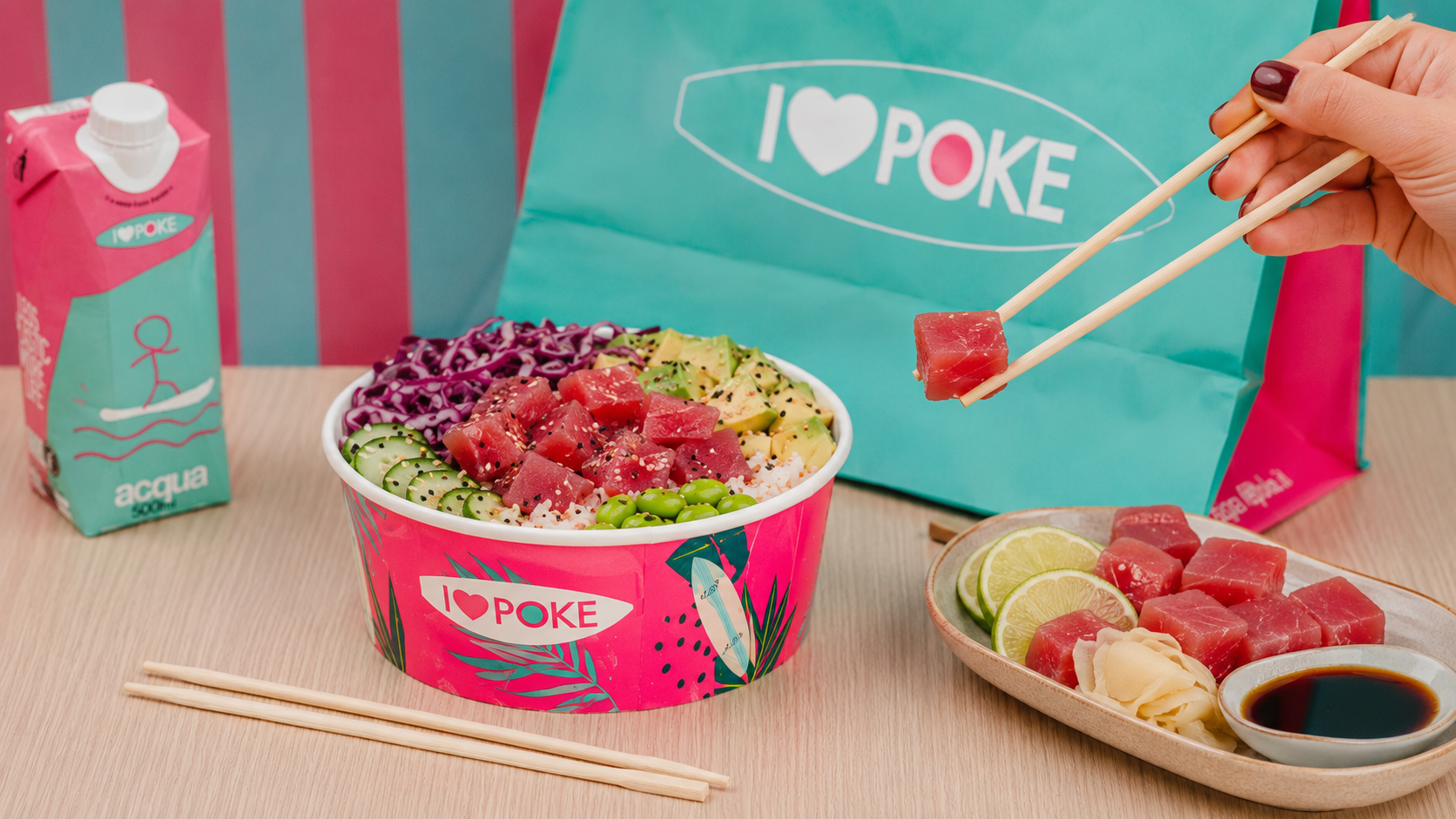
30 Mar Tuna in the poke bowl: nutritional values, taste, and useful tips
When it comes to poke, tuna remains one of the most beloved choices. The reason is simple: it has a recognizable taste, a pleasant texture, and pairs very easily with fresh and colorful ingredients. In a well-constructed bowl, the tuna in the poke manages to find a natural balance between flavor, perceived lightness, and versatility, adapting both to those who prefer essential combinations and to those who love richer and more creative mixes.
The beauty of poke tuna is exactly this: it can have a delicate or more pronounced profile, depending on the chosen base, vegetables, toppings, and sauce. It is an ingredient that speaks the language of simplicity but leaves room for customization, one of the most appreciated aspects in the poke world.
Why tuna in poke is a classic choice
Tuna has become a great classic of poke bowls because it combines clean taste e ease of pairing. It does not overpower the other ingredients but accompanies them with balance. This makes it suitable for those looking for a fresh bowl, pleasant to eat and easy to customize according to their tastes.
Compared to other ingredients, the tuna poke bowl has a versatile personality: it can be the star in recipes with sharp flavors or fit into softer and rounder combinations. It is a choice that works well in every season and lends itself both to essential bowls and to richer versions with contrasts.
Among the reasons it is chosen so often are:
- soft texture, yet pleasant to bite;
- balanced flavor, never excessive if well paired;
- great versatility with grains, vegetables, and toppings;
- ease of customization according to the style of the bowl.
Those who love to explore new combinations can also take inspiration from the section Recipes, useful for understanding how to enhance different ingredients within a bowl with a harmonious taste.
Nutritional values of tuna poke and taste difference compared to salmon
When choosing between tuna and salmon, two aspects often come into play: general nutritional profile e palate yield. Without going into technical details or too rigid comparisons, it can be said that tuna is often perceived as more delicate and straightforward in taste, while salmon tends to have a fuller and more enveloping note.
From the point of view of nutritional values, the final result of the bowl always depends on the combination of ingredients: base, dressings, toppings, and quantities affect the overall balance. For this reason, when you want to have a broader idea of the composition of a bowl, it can be useful to also explore RelatedTitle:Nutritionalvaluesofapokebowl.
In terms of taste, here is a simple difference to remember:
- the tuna in the poke tends to offer a more direct and clean flavor;
- salmon often has a softer and more intense perception;
- tuna pairs easily with crunchy ingredients and flavorful sauces;
- salmon lends itself well to creamier or rounder combinations.
There is no absolute better choice: it depends on the result you want to achieve. If the goal is a fresh, balanced, and highly customizable bowl, tuna remains a beloved base precisely for its ability to adapt without losing identity.
Tuna poke bowl: pairings with avocado, cucumber, sesame, and sauces
One of the strengths of poke tuna is the ease with which it interacts with different ingredients. Some pairings have become true classics because they work both in terms of taste and texture.
Avocado: softness and gentle contrast
Avocado creates an interesting contrast with tuna: on one side the firmer texture of the fish, on the other a creamier component. The result is a bowl with a soft, pleasant, and harmonious profile. It is an ideal combination for those seeking a balanced ensemble, without overly aggressive flavors.
Cucumber: freshness and crunchiness
Cucumber adds a fresh and crunchy note that lightens the bite and makes the bowl more dynamic. In a tuna poke bowl, this ingredient helps to give rhythm to the tasting, especially when the base is softer or the sauce has a strong presence.
Sesame: an aromatic touch
Sesame is often chosen to complete the bowl with a discreet but recognizable aromatic note. It does not overpower but enriches. Together with tuna, it helps create a more complete flavor profile while maintaining the typical freshness of the dish.
Sauces: the detail that changes the character of the bowl
Sauces can make the tuna more delicate or more intense. A well-chosen sauce binds the ingredients and defines the final tone of the bowl. If you want a balanced result, the advice is to avoid overloading: with tuna, often a well-measured sauce is enough to enhance everything else.
In general, the most successful combinations focus on a balance between:
- a soft component, like avocado;
- a fresh and crunchy component, like cucumber;
- an aromatic topping, like sesame;
- a coherent sauce with the profile you want to achieve.
How to balance a tuna-based bowl
Building a bowl with tuna means working on simple but well-thought-out contrasts. The first step is to choose a base that leaves space for the fish without weighing down the final result. Then come the vegetables, toppings, and dressing, which should complement the tuna without overpowering it.
To achieve a pleasant and well-constructed bowl, it can be helpful to follow some practical criteria:
- choose a neutral or balanced base, so the tuna remains well perceptible;
- add at least one crunchy ingredient to give variety to the texture;
- include a soft component to make the bite more harmonious;
- use toppings sparingly, so each element maintains its role;
- dose the sauce carefully so as not to cover the overall taste.
The secret is not to add a lot, but to choose well. A successful bowl does not depend on the number of ingredients, but on how they combine with each other. The tuna in the poke works best when it finds elements around it that naturally enhance it.
If you are considering different combinations, taking a look at the Menu can be a simple way to guide yourself through different styles, ingredients, and inspirations, always keeping taste at the center.
Another important aspect is customization. Tuna lends itself well to both essential bowls and richer versions, so you can create a mix that is fresher, more intense, or softer depending on the moment and personal preferences. If you want a straightforward result, focus on a few well-matched ingredients. If instead you are looking for a more multifaceted bowl, work on different textures without losing balance.
Simple ideas to best enjoy tuna in poke
Tuna is a choice that combines taste and practicality. It suits those who love fresh flavors, those who prefer essential combinations, and those who want a personalized bowl without sacrificing overall harmony. Its strength lies precisely in its ability to be recognizable but never rigid, classic but always open to new interpretations.
To discover inspirations, combinations, and proposals to start from, you can explore the Menu and find the bowl closest to your current tastes.
FAQ
What does the tuna taste like in the poke bowl?
Tuna in poke generally has a delicate but recognizable taste, with a pleasant and versatile texture. It pairs well with both fresh and crunchy ingredients and softer components.
What is the difference between tuna and salmon in a poke?
In a poke bowl, tuna is often perceived as more straightforward and clean in taste, while salmon tends to have a softer and more enveloping note. The choice mainly depends on the type of pairing you prefer.
Which ingredients pair best with tuna poke?
Among the most appreciated combinations are avocado, cucumber, sesame, and well-measured sauces. They work because they create a balance between softness, freshness, crunchiness, and aromatic intensity.
How do you balance a tuna poke bowl?
To balance a tuna-based bowl, it is useful to choose a balanced base, add a crunchy vegetable, a softer component, and a sauce that enhances the flavor without overpowering it.


