

When it comes to poke bowl vs sushi, the comparison arises spontaneously: both evoke the world of raw fish, Asian cuisine, and a practical yet flavorful meal. Yet they are not the same thing. The format changes, the dining experience changes, and also the way you can compose your dish.
Understanding the difference between poke and sushi is especially useful if you want to choose based on the moment: a quick lunch break, a more traditional dinner, a craving for something fresh, or a desire for a freer mix of ingredients. In this guide, we look at the main differences simply, without absolutes, to better understand when to opt for a bowl and when for sushi.
Poke bowl vs sushi: differences in format, ingredients, and customization
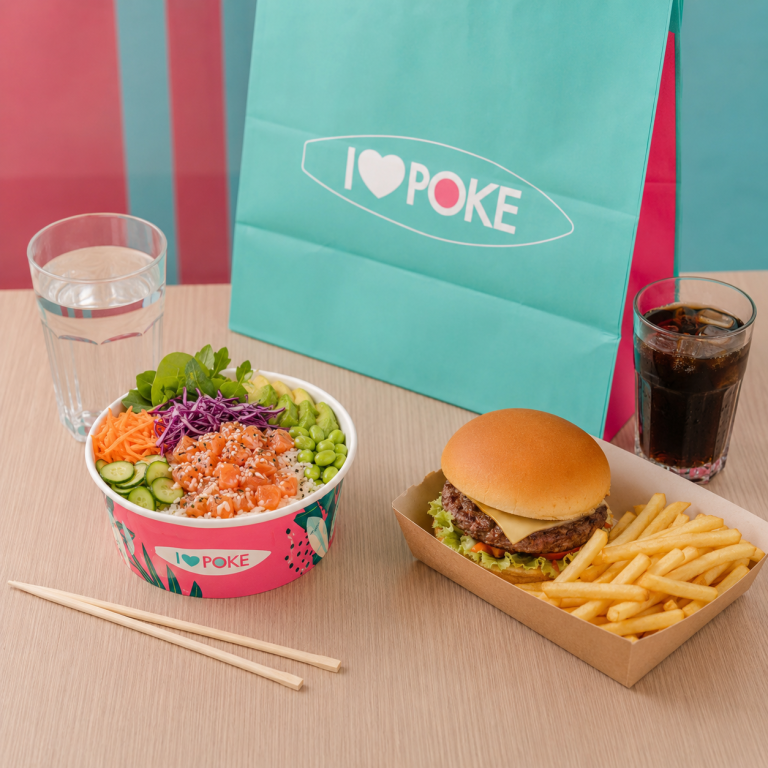
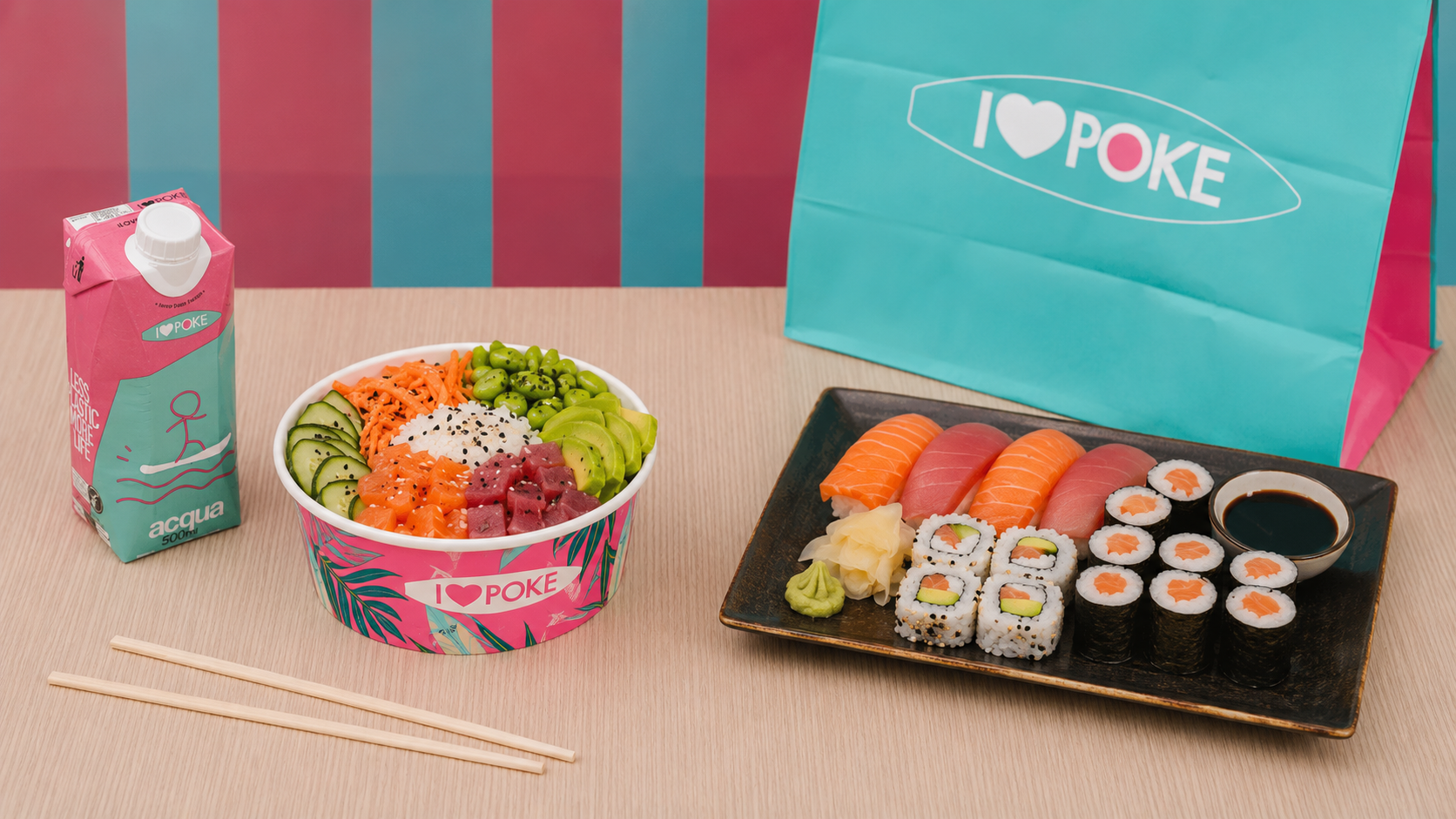
The first real difference between poke and sushi is immediately noticeable: the shape of the dish. The poke bowl is a complete bowl, designed as a single dish, where base, proteins, vegetables, and toppings coexist in the same mix. Sushi, on the other hand, consists of separate pieces, often served in portions to share or combine with each other.
This distinction also greatly changes the way it is eaten. The bowl has a more immediate, informal, and customizable approach. Sushi follows a more precise logic, with different preparations that enhance specific textures and contrasts.
Dish format: complete bowl or tasting in pieces
If you wonder poke or sushi, start here:
- Poke bowl: it is eaten in a single bowl, often with a base like rice or similar alternatives, to which proteins, vegetables, sauces, and toppings are added.
- Sushi: is presented in distinct pieces, with preparations that can vary in shape, size, and combination of ingredients.
The bowl is often chosen by those looking for a practical and customizable meal. Sushi, instead, may be preferred by those who enjoy a more paced tasting, bite by bite.
Ingredients: common points and real differences
It is true that poke and sushi share some ingredients, such as rice and fish, but the final result is different. In the poke bowl, the whole is freer and more contemporary: alongside the main ingredients, fresh, crunchy, and creamy elements find space, making each bowl different.
In sushi, instead, the construction is generally more essential and focused on the balance of the single piece. The raw material remains central, but with a more codified composition.
In summary, the difference between poke and sushi is not only about what is on the plate, but how the ingredients are conceived and combined.
Customization: the bowl wins in freedom
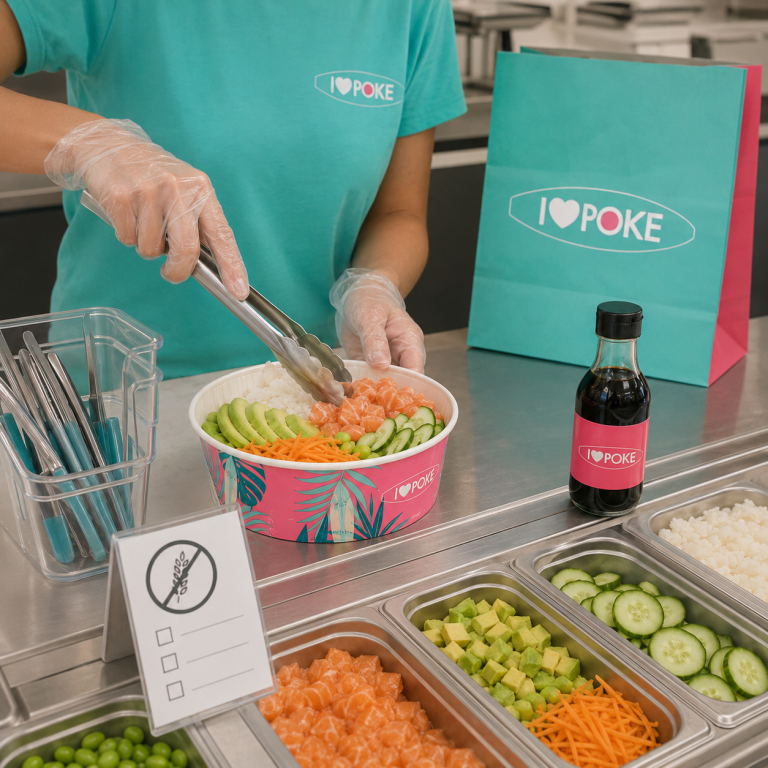
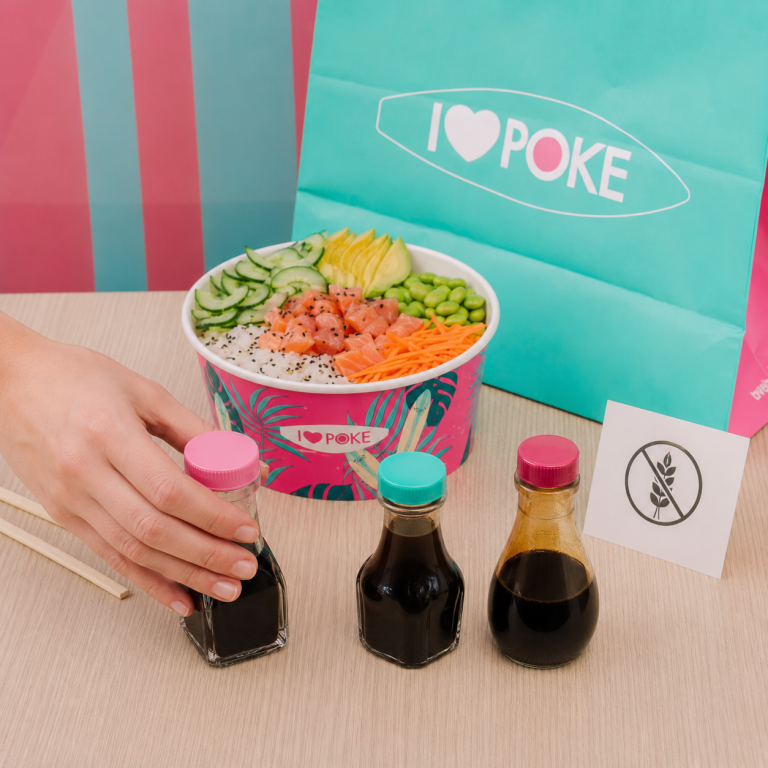
One of the aspects that makes poke so loved is the possibility to build it almost tailor-made. Base, protein, vegetables, toppings, and sauce allow you to create a mix closer to your current tastes.
Sushi, while offering variety, has a less customizable structure in a single order. Usually, you choose from predefined combinations, focusing more on the selection of pieces than on free composition.
If you love deciding every element of your dish, the bowl can be more intuitive. If instead you prefer to rely on a more classic and straightforward proposal, sushi might be the right choice.
General nutritional differences without absolutes
When comparing poke bowl vs sushi, people often wonder which is “lighter” or “more balanced.” In reality, there is no single answer. It all depends on ingredients, quantities, dressings, and combinations.
A poke bowl can be very simple or richer, depending on how it is composed. The same goes for sushi: there are simpler options and more elaborate ones, with differences related to rice, sauces, and additional ingredients.
For this reason, it is better to think in terms of overall composition, without turning the comparison into a rigid ranking.
Calories: depend on composition, not just the dish name
The topic calories must be approached realistically. It is not enough to say “poke” or “sushi” to understand how rich a meal is. Several factors influence this:
- the amount of rice or the chosen base;
- the type of protein;
- the presence of creamier or crunchier ingredients;
- the use of sauces and toppings;
- the total number of pieces or the size of the bowl.
In practice, both poke and sushi can be simpler or more abundant. If you have doubts about ingredients or composition, check the product sheet.
Satiety and practicality change the experience
Another important element is the perception of the meal. The poke bowl, being served as a single dish, can give the idea of a more complete and immediate meal. Sushi, on the other hand, often lends itself to a more gradual enjoyment, perhaps shared or built with multiple courses.
It’s not just a matter of quantity, but of pace. Some prefer a bowl to enjoy simply and directly, while others appreciate sushi because it turns the meal into a slower and more varied experience.
When to choose poke or sushi based on the moment
If in doubt poke or sushi, the best choice often depends on the context. There is no option that is always better than the other: there are situations where a bowl can be more convenient and others where sushi may better suit the occasion.
When the poke bowl can make more sense
The poke bowl is often a good idea when you are looking for:
- a practical meal that is easy to manage;
- more freedom of choice among ingredients and combinations;
- a single dish with different elements in the same bowl;
- a fresh and informal experience, suitable for different times of the day.
It is a versatile solution, especially if you like to often change combinations or find a different balance each time between taste, textures, and ingredients.
When sushi can be the right choice
Sushi can make more sense if you want:
- a more traditional format;
- a tasting in pieces, to choose and combine;
- a more ritualistic experience and less “mixed”;
- a dinner to share with a variety of tastings.
Those who love the detail of each bite, the presentation, and the variety of preparations often continue to prefer sushi precisely for this approach.
Difference between poke and sushi: which suits your style better
More than asking yourself which one is absolutely better, it can be useful to ask yourself what kind of experience you want to live.. The poke bowl speaks a contemporary language, simple, colorful, and customizable. Sushi remains an iconic choice, more structured and tied to the variety of individual pieces.
If you like to compose, mix, and find your personal balance, the bowl may be closer to your style. If instead you prefer a predefined selection and a more orderly tasting, sushi might convince you more.
For those who love to explore similar alternatives with a casual and tasty spirit, it can also be interesting to read Tacos Or Poke Bowl What To Choose, another useful comparison to understand how to choose based on the moment and preferences.
Useful ideas to guide you between bowls, sushi, and pairings
If you want to better understand which combinations best match your tastes, you can take a look at the Menu to get an idea of the style of the offerings and the type of experience a bowl can offer. And if you love discovering new ideas to bring home as well, in the section Recipes you will find inspirations related to ingredients, pairings, and fresh, contemporary moods.
If you are undecided between sushi and bowl, the simplest way to understand what suits you is to start from an offering that highlights variety, freshness, and customization. To better explore the combinations and find the one most suitable for your moment, you can visit the Menu.
FAQ
What is the main difference between poke bowl and sushi?
The main difference is in the format: the poke bowl is a single dish in a bowl, while sushi consists of separate pieces. The level of customization and the way the ingredients are combined also differ.
Between poke and sushi, which has fewer calories?
There is no absolute correct answer. The calories depend on the composition of the dish, the quantities, the sauces, and the chosen ingredients. For specific details, check the product sheet.
When is it better to choose a poke bowl instead of sushi?
The poke bowl may be more suitable when you are looking for a practical, customizable, and complete meal in a single bowl. Sushi may be preferable if you want a tasting in pieces or a more traditional experience.
Do Poke and sushi have the same ingredients?
They share some elements, such as rice and fish, but they are not the same. The poke bowl has a freer structure and is rich in combinations, while sushi follows more defined preparations focused on the single piece.