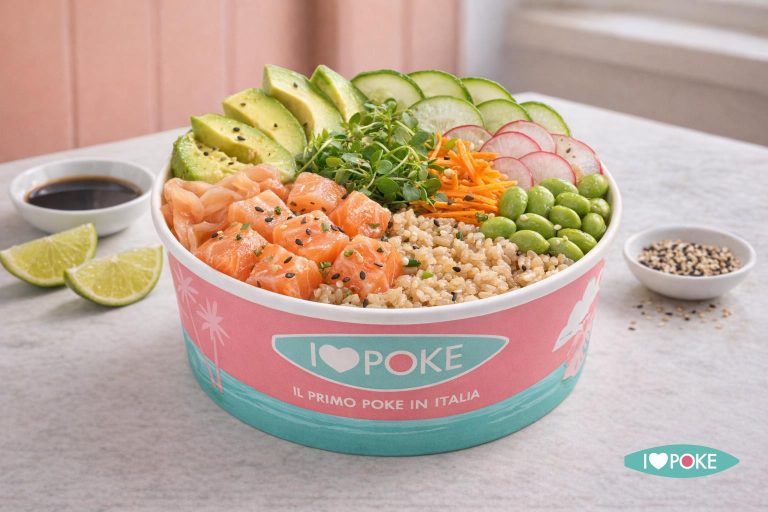
Poke keto: is it possible? What to choose for a more keto-friendly bowl

When it comes to poke keto, it is useful to start from a simple point: the poke bowl is born as a dish customizable, so it can also be adapted to low carb preferences. At the same time, however, not all combinations are automatically suitable for those looking for a bowl with a profile more in line with this dietary style. That is why it makes sense to talk about keto-friendly, rather than strict rules.

In practice, a keto poke bowl is built by considering ingredients that tend to contain fewer carbohydrates and those that, instead, can raise the total of the bowl. The good news is that variety works in your favor: with a little attention to the base, proteins, toppings, and dressings, you can compose a tasty, fresh bowl more consistent with a low carb approach.

If you want to get an idea of the available combinations, you can take a look at the Menu and check the ingredients of the different proposals in the product sheet.

Poke keto: what it really means and when it makes sense to talk about keto-friendly

The keyword poke keto is often used very broadly, but in practice the concept must be interpreted with balance. A bowl does not become “keto” just because it contains proteins or vegetables: what matters most is the set of ingredients and the way they are combined.

For this reason, it is more correct to talk about keto-friendly bowl when the composition aims to reduce the elements richest in carbohydrates, leaving room for fresh and simple ingredients. It is not about turning the poke into something different, but about exploiting its versatile nature to create a mix closer to your preferences.

It makes sense to think in these terms especially when:

  • you want a lighter bowl structure, without a traditional carbohydrate-rich base;
  • you prefer to focus on vegetables, proteins, and essential toppings;
  • you are looking for a customizable option without giving up taste;
  • you want to better orient yourself among ingredients that can have a greater impact on the final result.

If you are interested in exploring the topic in a broader sense, this dedicated guide might also be useful to you Relatedtitle:Pokelowcarb.

Base, proteins, and toppings for a keto-friendly bowl

The construction of a keto-friendly bowl part almost always starts from the base. In the classic poke, the presence of rice or other similar ingredients plays an important role in the balance of the dish, but if the goal is to stick to a more low carb combination, it is better to opt for bases mainly composed of vegetables.

How to choose the base

The base is the first element that really changes the profile of the bowl. In general, a solution more consistent with the idea of keto poke bowl is one that favors fresh, crunchy, and light plant-based ingredients, capable of adding volume without weighing down the composition.

A base of this type also helps to better enhance toppings and dressings, allowing the flavors to emerge in a cleaner and more balanced way.

Proteins: better to aim for simplicity

After the base, proteins come into play. In a bowl designed with a keto-friendly approach, the most straightforward choice is to opt for proteins with a simple profile, without breading or preparations that add ingredients less aligned with the bowl’s goal.

The point is not to complicate the choice, but to maintain a clear logic: fewer superfluous elements, more balance in the final mix. This way the poke remains tasty, colorful, and easy to customize.

Toppings and textures: the detail that makes the difference

Toppings are often the real turning point. A well-constructed bowl should not be monotonous: even in a more low carb version, it can be rich in textures, contrasts, and freshness. The idea is to choose ingredients that add character without shifting the overall balance too much.

Among the most consistent options, these generally work well:

  • fresh and crunchy vegetables;
  • creamy ingredients used with good sense;
  • seeds or elements that add texture;
  • carefully chosen dressings, without overdoing it.

The beauty of poke is exactly this: you can compose a tailor-made bowl, maintaining a simple but satisfying experience.

What tends to shift carbohydrates too much in a keto poke bowl

If the goal is to create a keto poke bowl, there are some elements that deserve more attention than others. Not because they should be “avoided” altogether, but because they can quickly change the profile of the bowl.

The main aspects to consider are:

  • the traditional bases, which often represent the most significant portion of carbohydrates;
  • the sweeter toppings or those with a more evident sugary component;
  • the sauces, especially when they have a sweet taste or a richer texture;
  • the added crunchy ingredients, which may seem like a detail but impact more than expected.

This does not mean giving up the pleasure of the bowl, but understanding which components weigh more in the final construction. In many cases, it is enough to reduce, replace or balance to achieve a result closer to what you are looking for.

Another useful aspect is to avoid adding too many “extra” elements in the same bowl. Even interesting ingredients taken individually, if all put together, can move the composition away from the initial idea of keto-friendly.

Practical examples to build a keto-friendly bowl without complicating the choice

To better guide you, it can be useful to think of the bowl’s composition as a simple sequence:

  1. start with a vegetable base;
  2. add a protein with an essential profile;
  3. complete with fresh toppings and balanced textures;
  4. finish with a dressing chosen in moderation.

Such an approach helps create a more straightforward bowl, without losing variety. Personalization remains central, but with a clearer direction.

If you love experimenting at home or want to take inspiration from different combinations, you can explore the section Recipes to find new ideas and inspirations.

In general, a well-thought-out bowl works when each ingredient has a precise role: the base provides structure, the protein brings character, the toppings add freshness, and the dressing ties everything together. It is this simplicity that makes poke so versatile even for those looking for a more low-carb option.

One last practical tip: when in doubt about a combination, try thinking by subtraction. Often a more essential bowl is also the one that is more focused, more readable in flavors, and closer to the idea of keto-friendly bowl.

If you want to compose your bowl more consciously, the best way is to start from the available options and check the ingredients of the combinations you prefer: on Menu you can navigate more easily between bases, proteins, and toppings to find the solution that best suits your tastes.


FAQ

Can a poke really be keto?

It depends on how it is composed. Rather than talking about keto poke in an absolute sense, it is often more correct to talk about keto-friendly bowls, made with ingredients more consistent with a low-carb approach.

What is the best base for a keto-friendly bowl?

In general, a base made mostly of vegetables is the choice most in line with a keto-friendly bowl, because it tends to be more suitable compared to traditional bases richer in carbohydrates.

Do sauces count in a keto poke bowl?

Yes, they can significantly affect the final result. When looking for a keto poke bowl, it is advisable to pay attention to the dressings and check the product sheet for the composition, if available.

What to avoid if I want a lower carb poke?

It is generally useful to pay attention to traditional bases, sweet-flavored toppings, added crunchy ingredients, and richer sauces. The point is not to eliminate everything, but to choose with balance.

How do I know if a bowl suits my preferences?

The easiest way is to check the ingredients of the composition and think about the whole: base, proteins, toppings, and dressing. If you have doubts, check the product sheet.

When it comes to bowl low carb, the first idea that comes to mind is often that of a bowl “without something”. In reality, the beauty of this style lies precisely in the opposite: starting from simple, fresh, and well-matched ingredients to create a complete, colorful mix that is easy to customize. Whether you prefer a light lunch break or a dinner with a strong taste, the low carb combinations can be very varied and never monotonous.

The secret is to build the bowl with balance, choosing a more essential base and focusing on textures, contrasts, and seasonings that give character. Even those who love the fresh and immediate taste of low carb poke can find many practical ideas to replicate or use as inspiration.

If you want to delve deeper into this style of composition, you can also read Relatedtitle:Pokelowcarb, useful for discovering other ideas in line with this approach.

Low carb bowl: where to start to create simple combinations

To build a low carb bowl intuitively, it is best to think in layers. There is no need to complicate the choice: just a few well-matched elements are enough.

  • Base: salad, leafy vegetables, or a crunchy mix.
  • Main ingredient: a protein source with a delicate or more intense taste.
  • Supporting vegetables: fresh, marinated, or slightly crunchy ingredients.
  • Creamy or savory part: to give roundness to the bite.
  • Final seasoning: to be used in balance to tie everything together.

This scheme works well because it makes the low carb combinations easy to read even at the first taste. Each element has a precise role: there is the fresh part, the softer one, the savory one, and the one that adds a livelier final note.

Low carb combinations to try right away

If you are looking for concrete ideas, here are some simple combinations to start with. They are versatile examples, designed for those who love clean but not trivial flavors.

1. Fresh and crunchy

A base of mixed salad with ingredients that have a fresh profile and distinct textures is perfect for those who want an immediate bowl. It works well with crunchy vegetables, a light creamy component, and a citrusy or delicate dressing. The result is simple but full of rhythm.

This is one of the low carb combinations easiest to appreciate because it focuses entirely on the cleanliness of taste and the sensation of freshness.

2. Soft and enveloping

If you prefer a bowl with rounder flavors, you can choose a green base and pair it with ingredients with a soft texture, with a well-measured savory part and a sauce capable of bringing everything together. In this case, the contrast does not come from crunchiness but from the balance between creaminess and more pronounced notes.

It is an ideal solution for those looking for a low carb poke full-flavored but always simple to compose.

3. Bold and flavorful

For a bowl with a more pronounced character, the advice is to work with ingredients with personality, balancing them with a fresh base. Here the trick is not to overdo it: one savory element, one crunchy, and one softer are enough to create depth without weighing down the mix.

When the composition is well thought out, even a simple bowl manages to have a rich and recognizable taste.

4. Green and super versatile

Among the simplest options is the bowl built almost entirely on green or light ingredients, with a dressing that adds liveliness. It is a very practical choice because it easily adapts to personal tastes and leaves room for customization.

Those who like to vary often find in this formula a perfect base to reinterpret differently each time.

Poke low carb: how to maintain taste and variety

One of the most common questions is how to make a low carb poke interesting without relying on too many ingredients. The answer is simple: work on combinations, not on quantity.

To give variety to a bowl, you can focus on these aspects:

  • Texture contrast: alternate crunchy and soft elements.
  • Temperature: fresh ingredients and more enveloping components create a good balance.
  • Flavor intensity: better a well-measured bold ingredient than many competing flavors.
  • Dressing: must accompany, not cover.

Often, in fact, a bowl works better when it is made with a few recurring but well-harmonized ingredients. This is what makes the low carb combinations practical in everyday life: you can start from a simple structure and change its character with small details.

To find ideas to adapt to your taste, you can also take a look at the section Recipes, where you can get inspired by easy ideas and always new combinations.

When to choose a salad base in a low carb bowl

The salad base is one of the most natural choices for a low carb bowl, but it should not be seen as a fallback. On the contrary, it can become the strength of the entire composition, especially when you want to highlight fresh ingredients, well-balanced sauces, and different textures.

Choosing it makes sense especially when:

  • you want a bowl with a fresher and more immediate profile;
  • you prefer to give more space to the main ingredients;
  • you are looking for an easy-to-customize mix;
  • you love contrasts between crunchiness and creaminess.

The salad base also works very well when the dressing plays a central role. The leaves, in fact, help to better distribute the flavors and keep the bowl pleasant from start to finish. Moreover, they allow you to enhance different ingredients without creating an overly heavy combination.

If you want to explore possibilities and pairings, on the page Menu you can check the available options and find the right inspiration for your next bowl.

How to give more satisfaction to low carb combinations

When preparing a low carb bowl, the most common risk is to think only about what to remove. Instead, it is better to think about what adds experience to the dish: a crunchy note, a creamy component, an aromatic touch, a well-chosen dressing.

To achieve a more satisfying result, some small attentions can help:

  • choose no more than a couple of ingredients with a very intense taste;
  • always include at least one element that gives contrast to the bite;
  • avoid overly confused mixes;
  • aim for a coherent flavor palette, fresh or more decisive.

In practice, a well-made bowl does not need to be complicated. The best low carb combinations they are often the most straightforward, where each ingredient is well felt and contributes to the whole without overlapping the others.

If you want to start with simple ideas and find the combination that best suits your taste, the best way is to explore the Menu and let yourself be inspired by a bowl to customize with balance and freshness.


FAQ

What is meant by low carb bowl?

A low carb bowl is a composition that reduces the richest carbohydrate part and focuses on a green base, fresh ingredients, different textures, and well-balanced dressings.

What is the best base for a low carb poke?

The salad base is among the most practical choices because it enhances fresh ingredients, makes the bowl lighter in texture, and pairs easily with both delicate and stronger flavors.

How to create low carb combinations without giving up on taste?

The easiest way is to work on contrasts of texture, a creamy component, a crunchy note, and a dressing that ties the flavors together without overpowering them.

How many ingredients are needed for a well-made low carb bowl?

Usually a few well-chosen elements are enough: a base, a main ingredient, two or three supports, and a final seasoning. Simplicity helps keep the mix more balanced and enjoyable.

When it comes to lactose-free poke, the point is not just the base of the bowl: often doubts arise from toppings, sauces, and added ingredients.. A bowl may seem simple and fresh, but some elements can contain milk or derivatives even if they are not immediately recognizable at a glance.

For this reason, if you are looking for a dairy free bowl, the best choice is to opt for a clear, customizable composition that is easy to verify. The idea is not to complicate the order, but to know where to look before confirming. In a versatile format like poke, customization can really make a difference.

Poke lactose-free: the doubt mainly concerns toppings and sauces

Many people associate lactose only with obvious ingredients, but in a bowl, the check must be done with a little more care. Generally, the areas to observe more closely are those that complete the dish: dressings, creams, crunchy toppings, or ingredients with a richer taste.

If your goal is to order a dairy free poke, it is advisable to start with a simple rule: the more straightforward the composition, the easier it is to verify each element. Base, protein, vegetables, and additions can be combined in many ways, but it is always useful to check for the presence of ingredients that may include milk or derivatives.

Among the aspects to consider more carefully are:

  • the sauces, because they may contain ingredients that are not immediately intuitive;
  • creamy toppings, which always deserve a check in the product sheet;
  • special additions, especially when the name does not make the composition clear;
  • final customizations, which can change the profile of the bowl more than it seems.

This does not mean giving up taste, but choosing more consciously. In a wide and customizable menu, knowing what to check helps build a bowl suitable for your preferences without guessing.

How to check ingredients and customization in a dairy free bowl

The most practical way to navigate is to start with the simplest ingredients and then add only what you have verified. If you want to compose a dairy free bowl, the first step is to carefully read the available information and, when a detail is not clear, check the product sheet.

A useful approach is this:

  • choose a basic base;
  • add fresh and easily recognizable ingredients;
  • carefully check sauces and toppings before adding them;
  • when in doubt, prefer a simpler composition.

Customization is one of the strengths of poke: precisely for this reason, it can help you create an order more in line with what you are looking for. You don't need to know every technical detail of the ingredients, but it is useful to have a clear criterion: choose only what you can identify and verify.

To get an idea of the available combinations, you can consult the Menu and evaluate the overall structure of the bowls and customization options. It is a good starting point to understand which elements require more attention before ordering.

When it is worth doing an extra check

There are situations where it is worth stopping for a moment and checking more carefully. For example:

  • when an ingredient has a very brief description;
  • when the sauce is an important part of the bowl;
  • when the topping is presented as creamy, special, or gourmet;
  • when you are customizing the dish a lot and want to avoid mistakes.

In these cases, the simplest solution is not to rely only on the name of the ingredient. It is better to verify the available official details, so you can order with greater peace of mind.

Practical checklist before ordering a dairy-free poke

If you want to choose a lactose-free poke quickly, a small mental checklist can be useful. Just a few steps to make the order clearer and more conscious.

  • Check the complete composition of the bowl, not just the main ingredients.
  • Carefully observe sauces and toppings, because they are often the most delicate points.
  • You prefer easily recognizable ingredients if you want to reduce doubts.
  • Check the product sheet when the description is not sufficient.
  • Consult the official allergen data before confirming your choice.

This attention is especially useful when looking for a simple experience: a well-constructed, fresh, and personalized bowl also starts from information read calmly. Poke was born as a versatile and immediate format, but precisely the variety requires a little more verification when you have specific needs.

For a more precise check, the most useful reference remains the OfficialAllergenTable. Consulting it before ordering helps clarify doubts about ingredients and make a more informed choice.

What to check if you order out or at a different location

When ordering out, attention to ingredients becomes even more important. If you are considering a bowl at a location different from the one you usually visit, the advice remains the same: always check the updated official information and do not take the composition of a bowl for granted just by its name.

If you want to find the most convenient store for you, you can consult the Where We Are. page. Once you have chosen the location, remember to always refer to the official details available for ingredients and allergens.

A little extra check before ordering can make the experience simpler and smoother, especially when you are looking for a dairy-free solution without giving up the freedom to customize.

Choosing a bowl more consciously, without complicating the order

Ordering a lactose-free poke should not become a complicated process. In most cases, just focus on the elements that really make a difference: sauces, toppings, and ingredients to check carefully. The advantage of poke is precisely this: being able to build a bowl flexibly, starting from what you prefer.

If you want to navigate the available combinations and calmly evaluate how to compose your bowl, take a look at Menu and always pair it with the verification of official information on the ingredients.


FAQ

Is a lactose-free poke always easy to recognize?

Not always. The simplest ingredients are generally easier to evaluate, but toppings and sauces may require an extra check. If in doubt, always check the product sheet and the official allergen data.

Where are doubts most often hidden in a dairy free bowl?

Usually in dressings, creams, and toppings added at the end. Even when the base of the bowl seems straightforward, it is useful to check every element that completes the dish.

How can I order a dairy-free poke with more confidence?

The most practical way is to choose a simple composition, add only clear ingredients, and carefully check sauces and toppings. When a detail is not specified, it is better to refer to the available official information.

Is it enough to read the name of the bowl to understand if it is dairy free?

No, the name alone might not be enough. For a more informed choice, it is better to check the full composition and consult the official allergen table.

[et_pb_section admin_label=”section”]
[et_pb_row admin_label=”row”]
[et_pb_column type=”4_4″][et_pb_text admin_label=”Text”]When we talk about low carb poke, the idea is simple: to build a bowl that focuses on fresh, tasty, and balanced ingredients in proportions, reducing elements richer in carbohydrates. It doesn't mean giving up the pleasure of a colorful and satisfying meal, but choosing the base, toppings, and dressings more carefully.

In a poke, customization really makes a difference. And this is exactly where a bowl low carb can become a practical option for those looking for a lighter alternative in composition, without losing variety and taste. The goal is not to complicate life with calculations or rigid rules, but to understand which combinations work best daily, even for a low carb lunch easy to order or imagine.

What low carb poke means in simple terms

In the context of a poke bowl, “low carb” means giving more space to plant-based and protein ingredients and reducing those that usually occupy most of the bowl, like rice or similar elements. It is a practical approach: instead of starting with a large base of grains, the bowl is built around salad, vegetables, and carefully chosen ingredients.

This type of composition is especially interesting when looking for a versatile, fresh meal that is easy to adapt to personal tastes. Such a bowl can be designed for lunch breaks, informal dinners, or those moments when you want something complete but not overly heavy.

If you want to get inspiration from the available combinations, you can take a look at the Menu and check the product sheet for the ingredients present in the different options.

How to compose a low carb bowl starting from the salad base

Choosing the base is the first really important step. For a bowl low carb, the most intuitive solution is to opt for a salad base or a combination where vegetables play a predominant role.

This type of base helps keep the bowl fresh and pleasant, as well as leaving more room for toppings. The result is a composition that remains rich in perception but more essential in structure.

The best base for a low carb lunch

If you are thinking of a low carb lunch, the salad base is often the most straightforward choice because:

  • it makes the bowl fresher and more immediate;
  • it pairs easily with different toppings;
  • it allows you to enhance textures and flavors without weighing down the composition.

Those who love the poke format but want a more vegetable-oriented alternative may also find the salad bowl theme interesting. For more details, you can also read Relatedtitle:Poke salad.

Toppings consistent with a low carb poke

After the base, the toppings come into play. Here it is advisable to follow a simple logic: choose fresh, varied, and well-matched ingredients, avoiding overloading the bowl with too many elements all at once.

In general, these work well:

  • crunchy vegetables to add volume and texture;
  • ingredients with a fuller taste to create contrast;
  • protein components that make the bowl more complete;
  • dressings used in balance, to accompany without overpowering.

A good low carb poke should not seem like a “compromise.” On the contrary, it often turns out more interesting precisely because each ingredient has a precise and recognizable space.

Ingredients to reduce and more suitable alternatives in the low carb bowl

To compose a bowl in a low carb way, the point is not to eliminate everything, but to reduce some ingredients that tend to become predominant. In the classic poke, in fact, the most abundant part is often represented by bases or additions that increase the carbohydrate content of the bowl.

Among the elements to keep more under control are especially the heavier bases and some toppings chosen in generous quantities. Also, very rich or sweeter dressings can change the overall balance of the bowl.

A useful approach can be this:

  • reduce the richer base and increase the vegetable part;
  • prefer simple toppings over overly elaborate combinations;
  • measure the dressing to keep the taste clean;
  • focus on variety rather than the quantity of a single ingredient.

The most suitable alternatives, in this context, are those that keep the bowl colorful, fresh, and satisfying. Different vegetables for texture, ingredients with a distinct flavor, and a lighter base help build a poke that remains consistent with the low carb idea without losing personality.

Practical examples of low carb poke to customize

To better understand how a composition of this type works, it can be useful to imagine some simple structures. These are not rigid recipes, but practical examples to adapt based on your tastes and what is available.

Example 1: fresh and essential low carb bowl

Salad base, crunchy vegetable toppings, a well-defined main component, and a delicate dressing. It is the ideal solution for those looking for a straightforward bowl, clean in flavors, and easy to appreciate even at lunch.

Example 2: richer low carb lunch in textures

Green base, mix of soft and crunchy ingredients, some more intense notes to give character, and a dressing used with balance. In this case, the difference is made by contrasts: such a bowl is dynamic and never monotonous.

Example 3: low carb poke with a stronger taste

Vegetable base, a few carefully chosen toppings, flavorful accents, and a more essential construction. It is a perfect idea for those who prefer clear combinations, where each element is clearly felt without creating confusion on the palate.

In all three cases, the principle remains the same: less volume in the richer base, more attention to the quality of the composition. This is what makes a low carb bowl truly pleasant to eat and easy to include in the routine.

How to choose a low carb lunch without complicating your break

One of the advantages of poke is its immediacy. Even when you want a low carb lunch, there is no need to turn the choice into something technical. Just follow a few clear criteria: start with a greener base, select consistent toppings, and don’t overdo additions that change the balance of the dish too much.

For many, the best solution is to think of the bowl as a combination of three levels:

  • fresh base as a starting point;
  • well-matched main ingredients to give structure;
  • finishes and dressings to complete without weighing down.

This approach makes the choice more intuitive and helps find a combination that is in line with your dietary style, but also truly enjoyable to taste.

If you want to explore the available options and find the combination that best suits your tastes, you can visit the page Order Now and check the ingredients of the bowls you prefer on the product sheet.


FAQ

What is meant by low carb poke?

A low carb poke is a bowl built by reducing the ingredients richest in carbohydrates and giving more space to salad base, vegetables, well-chosen toppings, and dressings used in balance.

What is the best base for a low carb bowl?

Generally, the salad base is the most suitable choice because it makes the bowl fresher, lighter in composition, and easy to customize with different toppings.

Can a low carb bowl be suitable for lunch break?

Yes, it can be a practical solution for lunch, especially if you are looking for a simple bowl to assemble, varied in flavors and with a structure more oriented towards fresh and vegetable ingredients.

How to avoid an unsatisfying low carb poke?

The secret is to focus on variety: green base, topping with different textures, a well-defined main component, and a dressing that complements without overpowering the other flavors.

[/et_pb_text][/et_pb_column]
[/et_pb_row]
[/et_pb_section]

The vegan tofu poke it is a versatile, fresh, and easy choice to customize. When tofu becomes the star of the bowl, everything revolves around a simple but fundamental balance: different textures, well-measured flavors, and ingredients that enhance each other. The result should not only be colorful but also enjoyable to taste from start to finish.

In a vegan tofu bowl well constructed, every element has its role: the base welcomes, the vegetables lighten, the toppings add rhythm, and the dressing ties everything together. Tofu, on the other hand, is the meeting point between these elements because it can absorb flavors, create contrast, and give character to the composition.

If you are looking for practical ideas to compose a vegan tofu poke balanced and never banal, here you will find useful tips to choose the right combinations and make every bowl more interesting.

How to make vegan tofu poke the true star of the bowl

Tofu works best when it is not treated as a secondary ingredient. In a poke bowl, in fact, it is not enough to place it next to the other elements: you need to build a coherent combination around it.

To achieve a good result, it is best to start from three aspects:

  • Texture: tofu can be more pleasant if paired with crunchy, creamy, or juicy ingredients.
  • Flavor: being delicate, it expresses itself better with dressings and toppings that enhance its profile without overpowering it.
  • Visual and taste balance: a well-composed bowl invites tasting and makes the experience more satisfying.

The beauty of poke is precisely this: you can create a simple combination or a richer one, always maintaining a feeling of lightness and variety. If you love experimenting, you can find more ideas in the section Recipes, useful for inspiring you with new mixes and seasonal ideas.

Vegan tofu bowl: how to pair it with bases, vegetables, and toppings

A vegan tofu bowl works well when the ingredients do not compete with each other but complement each other. For this reason, the choice of base, vegetables, and toppings should not be made only for color or habit: each element should contribute to creating a harmonious bowl.

The base: the starting point of your bowl

The base sets the tone of the composition. A more neutral choice leaves room for the dressing and tofu, while a stronger base can give more personality to the whole.

To avoid weighing down the result, the ideal is to maintain a base capable of accompanying without dominating. This way the tofu remains perceptible and the final mix is more balanced.

The vegetables: freshness, color, and contrasts

Vegetables are essential to give dynamism to the bite. In a bowl with tofu, it is useful to alternate crunchy ingredients with softer or juicier ones. This avoids a uniform effect and makes the tasting more interesting.

A good criterion is to combine:

  • vegetables crunchy to create contrast;
  • vegetables fresh and juicy to lighten;
  • elements with a more soft or creamy profile to provide continuity.

The toppings: the detail that changes everything

Toppings play a decisive role because they add rhythm and personality. In a vegan tofu poke, a few well-chosen elements are enough to avoid a flat bowl. Seeds, crunchy components, or aromatic notes can transform a simple combination into something more complete.

The advice is not to overdo it: better a few well-thought-out toppings than a sum of ingredients without direction.

Vegan tofu poke: how to avoid a monotonous or bland bowl

One of the most common mistakes is creating a bowl all on the same line: same texture, same delicate tones, no contrast. In these cases, the tofu risks getting lost and the bowl seems unexpressive.

To give more character to your vegan tofu poke, you can follow some simple rules:

  • Alternate soft and crunchy: it is the most immediate way to make every bite more interesting.
  • Play with temperature and freshness: fresh ingredients and more enveloping components help create variety.
  • Choose a consistent dressing: it must unite the ingredients, not cover them.
  • Avoid too many similar notes: if everything is sweet, delicate, or creamy, the result can become flat.
  • Give space to tofu: if there are too many dominant elements, the protagonist takes a back seat.

Even the arrangement matters. An orderly bowl, with well-distributed ingredients, allows you to better perceive each component and combine flavors more naturally. If you want to explore ideas already oriented towards the plant-based world, it can be useful to also read Poke Best Vegan Bowl Healthy Combinations.

Three typical combinations for a balanced vegan tofu poke bowl

When inspiration is lacking, starting from a pairing logic is the simplest way to build a convincing bowl. Here are three useful directions to take inspiration from.

1. Fresh and crunchy

This combination focuses on visual lightness and sharp contrasts. Tofu pairs well with a delicate base, fresh vegetables, and toppings that add crunch. It is an ideal solution if you want a straightforward but not monotonous bowl.

2. Creamy and balanced

Here the focus is on softness, balanced by at least one livelier element. Tofu finds space alongside ingredients with an enveloping texture, while the topping or dressing introduces a note that breaks the continuity. The result is a rounder bowl, but always balanced.

3. Decisive and aromatic

If you prefer more pronounced flavors, you can build a bowl where tofu interacts with ingredients with a stronger character. In this case, it is important to maintain a neutral base and not overload the composition: intensity works better when it remains readable.

These examples are not rigid schemes, but starting points. The advantage of poke is precisely the possibility to customize each bowl according to your tastes, always maintaining a pleasant and coherent combination.

Practical tips for composing a more harmonious vegan tofu bowl

To get a truly satisfying bowl, there is no need to complicate everything. Often a few precautions are enough to improve the final result:

  • Start with a clear idea: fresh, creamy, or more intense.
  • Limit redundant ingredients: too many similar components flatten the taste.
  • Use the dressing as a link: it should provide continuity, not confusion.
  • Include at least one obvious contrast: crunchiness, acidity, or an aromatic note.
  • Balance the colors: the eye wants its share too, especially in a poke bowl.

If you want to explore proposals and inspirations related to the poke world, you can also take a look at Menu to discover the universe of pairings and styles revolving around this format.

Vegan inspirations to try in your next bowl

Tofu is one of the most interesting ingredients to include in a poke bowl because it lends itself to different interpretations, always in the spirit of simplicity. With the right combination of base, vegetables, toppings, and dressing, even a simple bowl can become varied, fresh, and satisfying.

If you want to continue exploring plant-based ideas and pairings, visit the page Recipes: it is a great starting point to find new inspiration and imagine your next vegan bowl with tofu.


FAQ

How is tofu paired in a vegan poke bowl?

Tofu pairs well with a balanced base, fresh vegetables, and toppings that add contrast. For a harmonious result, it is helpful to alternate soft, crunchy, and juicy textures, choosing a dressing that binds the ingredients without overpowering them.

How to prevent a vegan tofu bowl from being monotonous?

To avoid a monotonous bowl, it is advisable to include at least one obvious contrast between textures and flavors. A well-balanced combination brings together fresh elements, crunchy components, and a creamier or more aromatic note, while still leaving room for tofu as the main feature.

What are the most common mistakes in a vegan tofu poke?

Among the most common mistakes are using ingredients that are too similar to each other, excessive toppings, and a dressing that is not consistent with the rest of the bowl. Even a base that is too dominant can overshadow the tofu and make the whole less balanced.

Better a simple vegan tofu bowl or one rich in ingredients?

It depends on personal taste, but often a simple and well-constructed bowl works better than one that is too loaded. A few carefully chosen ingredients can create a more readable, pleasant, and balanced combination.

Not everyone loves fish every day, and not everyone looks for it when ordering a bowl. This is exactly where the interest in fishless pokecomes from: a versatile, fresh choice full of possibilities, perfect for those who want to change flavors without giving up a satisfying meal. Whether it's personal preferences, dietary habits, or simply the desire to try something different, today a bowl can be built in many ways, with plant-based ingredients that add character, texture, and color.

In this scenario, the fishless bowl is not a “alternative” version in a reductive sense, but a different way to experience poke. The beauty lies precisely in customization: base, plant proteins, vegetables, toppings, and sauces can create always new combinations, with a milder or stronger profile, depending on the time of day and personal taste.

For those who love experimenting in the kitchen or are looking for ideas to replicate, it can be useful to also take a look at the Recipes, where you can find inspirations and pairings to reinterpret with ease.

Poke without fish: why it also appeals to those who are not vegetarian

The success of vegetarian poke does not only concern those who follow a plant-based diet. More and more people choose a bowl without fish ingredients simply to vary, lighten their routine, or discover different flavors. After all, poke is a format that naturally lends itself to change: just modify a few elements to get a completely new result.

A well-built bowl can focus on interesting contrasts:

  • soft and crunchy textures;
  • delicate ingredients and more intense notes;
  • fresh components and more enveloping toppings.

This makes fishless poke a choice suitable both for those looking for a practical lunch and for those wanting an informal but refined dinner. There is no need to give up variety: just shift the focus to well-paired plant-based ingredients.

Fishless bowl with tofu, edamame, and plant-based ingredients

When thinking of a fishless bowl, the first ingredients that come to mind are often tofu and edamame. And it's a good intuition: both fit well into the bowl structure and combine easily with different bases, vegetables, and dressings.

Tofu: soft, versatile, easy to pair

Tofu is one of the most interesting ingredients for those seeking a plant-based alternative with a balanced taste. It lends itself to different interpretations and works well with fresh, creamy, or slightly savory elements. In a bowl, it can become the starting point to create a harmonious mix, especially when paired with:

  • rice or other neutral-flavored bases;
  • crunchy vegetables;
  • creamy ingredients like avocado;
  • sauces capable of tying everything together without overpowering the other flavors.

Edamame: color and character in a vegetarian poke bowl

Edamame add a pleasant note both visually and in texture. In a vegetarian poke bowl they help make the whole dish richer and more dynamic, especially when paired with fresh ingredients like cucumber, carrots, cabbage, or crunchy salads.

The result is a composition that never appears monotonous. In fact, the absence of fish opens the way to freer combinations, where each element can have a precise role in creating balance.

How to make a vegetarian poke bowl complete and satisfying

One of the most common doubts concerns the final outcome: will a vegetable bowl really be satisfying? The answer mainly depends on how it is constructed. A good vegetarian poke does not rely on a single ingredient, but on a well-thought-out combination of components that interact with each other.

To achieve a bowl that is pleasant to eat, it can be useful to follow a simple logic:

  • a base that acts as a structure;
  • a main vegetable component, such as tofu or edamame;
  • different vegetables for color and texture;
  • one or two toppings to add personality;
  • a sauce that unites the flavors with balance.

The point is not to add a lot, but to choose well. A bowl works when each ingredient has space and contributes to the final result. This is why customization is so important: it allows you to build a mix consistent with your own tastes, without forcing.

Those who want to explore more options and be guided by pre-designed combinations can also consult the Menu, useful for navigating proposals and inspirations.

Practical ideas for lunch and dinner with a poke bowl without fish

The strength of a poke bowl without fish it is also in its practicality. At lunch it can be a convenient, colorful, and simple solution to enjoy. At dinner, instead, it can turn into an informal but refined dish, perfect when you want something fresh and different from the usual.

Here are some useful ideas to vary more easily:

  • For lunch, focus on linear combinations, with few well-recognizable ingredients and a sauce with a balanced taste.
  • For dinner, you can dare with more contrasts, adding crunchy toppings or stronger notes.
  • To change often, alternate the bases and choose a different pair of main vegetable ingredients each time.

This flexibility makes poke suitable for different times of the day and different needs. There is no need to overturn your habits: just change perspective and discover that even without fish a bowl can be surprising.

Vegetable pairings to try if you are looking for variety

When the goal is not to get bored, the key is to work on pairings. A well-made vegetable bowl plays on complementary nuances: soft ingredients next to fresher elements, delicate notes balanced by livelier accents, colors that make the dish inviting even before tasting.

Among the most appreciated approaches are:

  • essential mixes, with few well-balanced ingredients;
  • richer combinations, where toppings and sauce add personality;
  • seasonal versions, which follow the moment and the availability of ingredients.

If you want to deepen the topic and find other ideas on pairings and bowl construction, you can also read Poke Best Vegan Bowl Healthy Combinations, a useful resource for those who love to experiment with balance and taste.

Choosing a bowl without fish in a simple way

Often the best choice is also the most intuitive: start from the flavors you really like and build a coherent bowl around them. The fishless poke offers a lot of freedom, but does not require complications. Just imagine the final result: fresher, creamier, crunchier, more delicate or more intense.

If you want to vary and discover new vegetable combinations, the simplest way is to get inspired by the available proposals and understand which ingredients come closest to your tastes. To start, you can explore the Menu and find the bowl that best interprets your idea of a tasty break.


FAQ

What can you put in a poke without fish?

In a poke without fish, plant-based ingredients such as tofu, edamame, avocado, cucumber, carrots, cabbage, crunchy salads, toppings, and sauces can be used. The idea is to create a balanced mix between base, textures, and flavors.

Is a bowl without fish also suitable for those who are not vegetarian?

Yes, a bowl without fish can also be chosen by those who do not follow a vegetarian diet but simply want to vary. It is a practical and versatile solution, ideal for trying different combinations than usual.

How to make a vegetarian poke more satisfying?

To make a vegetarian poke more satisfying, it is best to combine a base, a main vegetable ingredient like tofu or edamame, vegetables with different textures, one or two toppings, and a sauce that ties all the flavors together well.

What is the difference between vegetarian poke and bowl without fish?

The vegetarian poke excludes animal-derived ingredients related to fish and is made with plant-based components. A bowl without fish, on the other hand, more broadly indicates a bowl without fish, which can be intended for those simply looking for a different alternative.

When it comes to gluten-free poke options, the most useful thing is to have a simple method to compose the bowl more calmly. Poke is a versatile format, but precisely for this reason it is advisable to check every element: base, protein, toppings, sauces, and final additions. This way you can better navigate the available combinations and choose more consciously.

If you are looking for gluten-free poke options suitable for your tastes, the point is not only to understand what to avoid, but also to know which categories to check before ordering. A customizable bowl allows you to create a fresh, balanced mix in line with your preferences, provided each ingredient is carefully checked.

For a dedicated overview, you can also read RelatedTitle:Pokeglutenfree, useful as an in-depth look at the topic.

Gluten-free poke options: how to set up the bowl practically

The easiest way to choose well is to start with a clear logic: first the base, then the protein, then toppings and dressing. This approach helps not to overlook any detail and makes ordering more straightforward, especially when you want to carefully check the ingredients.

In poke, in fact, many elements seem straightforward, but not all have the same composition. Some ingredients are naturally simple, others may include preparations, marinades, or sauces to verify. For this reason, when you evaluate the gluten-free poke options, it is useful to think in blocks.

Bases: the first check to do

The base is the starting point of the bowl and immediately affects the final choice. Rice, salads, and vegetable mixes are often among the most considered options by those looking for a customizable poke. However, the composition can vary, so it is always better to check the product sheet or ask for confirmation about the available ingredients.

A good practical rule is this:

  • check if the base consists of a single ingredient or a mix;
  • check if there are already added dressings;
  • in case of doubt, prefer simpler and easier-to-read solutions.

Proteins: watch out for marinades and preparations

After the base, the choice moves to proteins. Fish, plant-based alternatives, or other preparations may seem straightforward, but in some cases, the difference is made by marinades, breading, or incorporated seasonings. Those looking for gluten-free poke ingredients should therefore focus not only on the raw material but also on how it is presented on the menu.

If a protein is described very simply, the reading is more immediate. If a more elaborate preparation appears, the advice is always the same: check the product sheet.

Toppings and crunch: the detail that changes everything

Toppings are the most creative part of the poke, but also the one that requires the most attention. Fresh vegetables, fruit, seeds, and crunchy ingredients can give character to the bowl, but some additions may contain elements that need to be carefully checked.

To better guide you, it can be useful to distinguish between:

  • fresh and simple toppings, generally easier to evaluate;
  • crunchy or processed ingredients, which deserve an extra check;
  • pre-seasoned mixes, always to be checked item by item.

When you want to build a clear and personalized bowl, often the best choice is to aim for an essential composition, adding only elements whose description you have carefully read.

Checklist of categories to check in gluten-free poke ingredients

If you want to order with more confidence, a small mental checklist can make a difference. The gluten-free poke options are better evaluated when each category is checked separately, without taking anything for granted.

1. Bowl base

Always check:

  • base composition;
  • any ready-made mixes;
  • presence of included dressings.

2. Chosen protein

Check if there are:

  • marinades;
  • breading or crunchy preparations;
  • already paired sauces.

3. Toppings and additions

Pay attention to:

  • processed ingredients;
  • crunchy components;
  • mixes with multiple elements not immediately recognizable.

4. Sauces and dressings

Sauces always deserve a dedicated check. Even when the rest of the bowl seems straightforward, the dressing can change the overall balance of the choice. For this reason, it is useful to carefully read the description and, if necessary, opt for simpler alternatives.

5. Final additions

Often it is the final details that go unnoticed: seeds, crispy onions, spicy toppings, or special finishes may require an extra check. If you are looking for gluten-free poke ingredients, don’t stop at the main components: also check the last step.

To explore all available combinations and check updated descriptions, you can directly consult the Menu.

Gluten-free poke combinations options: how to choose more clearly

A well-built bowl always starts from a simple criterion: few elements, easily readable, chosen intentionally. There is no need to complicate the composition to achieve a tasty result in line with your preferences. In fact, when the goal is to find gluten-free poke options, a more essential selection helps better control each step.

A practical approach can be this:

  • choose an easy-to-identify base;
  • pair a protein with a clear description;
  • add fresh and simple toppings;
  • pay particular attention to sauce and finishes.

This method does not make the bowl less interesting, but often makes it easier to customize. And in a format like poke, customization is exactly what allows you to build an experience closer to your own tastes.

If you want to order in-store and directly check the options available at the most convenient location for you, you can also consult the page Where We Are.

Final check on official data and updated descriptions

When looking for gluten-free poke options, the most useful rule always remains the same: check the official information before confirming the choice. Combinations can change, as can preparations or available pairings, so it is important to refer to updated descriptions.

In case of doubt about bases, proteins, toppings, or sauces, the best solution is to check the product sheet. This is especially true for compound ingredients, ready-made mixes, and all additions that are not immediately readable from the name.

An order built with care starts here: read carefully, choose calmly, and compose the bowl simply. It is the most practical way to navigate through the different gluten-free poke ingredients without giving up taste and variety.

Discover the menu and compose your bowl more easily

If you want to take a look at the available combinations and directly check the ingredients, the easiest way is to start from the Menu: you can explore the proposals, read the descriptions, and navigate more clearly in choosing your bowl.


FAQ

How to understand which gluten-free options in poke to check first?

The most practical way is to check the base, protein, topping, sauce, and final additions in order. This way you can check each element separately and read the bowl's composition more carefully.

Should sauces always be checked when looking for gluten-free poke ingredients?

Yes, it is a good habit. Even when the base and topping seem simple, the seasoning can have a different composition than expected. When in doubt, check the product sheet.

Are crunchy toppings among the elements to be checked more carefully?

In general yes, because crunchy or more processed ingredients may have specific preparations. If you want an easier-to-read bowl, it can be helpful to prefer fresh and simple toppings.

To find gluten-free poke options, is it better to choose simpler bowls?

Often yes. A composition with few well-identifiable elements makes it easier to check the ingredients and helps to customize the bowl more clearly.

Where to check updated information about poke ingredients?

The best reference is always the official information available in the updated descriptions. If a detail is not clear, check the product sheet before completing the choice.

A vegan bowl well made it is not only beautiful to look at: it must be satisfying, varied and easy to customize. When talking about vegan poke, balance comes from the combination of base, plant proteins, vegetables, toppings and dressing. The ideal result is a bowl complete in taste, with different textures and ingredients that enhance each other.

Whether you want to create a light but satisfying lunch or a practical and colorful dinner, starting from a simple structure helps to create a harmonious mix. And if you love to experiment, a bowl in vegetarian poke or vegan style leaves plenty of room for creativity, without giving up the pleasure of eating something fresh and tasty.

To find inspiration on pairings and ideas to replicate at home, you can take a look at the section Recipes, useful for discovering new ways to combine ingredients and flavors.

How to build a vegan bowl that truly satisfies

The first step is to think of the bowl as a balanced whole, not just a simple sum of ingredients. A good composition starts from a well-chosen base, continues with a more substantial component and is completed with fresh elements and toppings that give personality.

To create a bowl that is truly satisfying, you can follow this logic:

  • Base: rice, grains or salads as a starting point.
  • Central part: ingredients like tofu or edamame to give structure to the dish.
  • Vegetables: preferably different in color and texture.
  • Topping: seeds, crispy onion or other elements that add contrast.
  • Sauce: the final touch that ties all the flavors together.

The secret is to avoid monotonous bowls. If all the ingredients are soft, the result can seem flat. If instead you alternate delicate, crunchy and juicy components, the bowl changes rhythm with every bite.

Combinations between base, tofu, edamame, vegetables and toppings

In the world of vegan bowl, pairings work better when each element has a precise role. The base welcomes the flavors, the tofu or edamame add body, the vegetables bring freshness, while the toppings define the final character.

The base: the starting point of everything

The base greatly influences the overall result. A rice with a neutral taste leaves room for seasonings and toppings, while a more vegetable-based base makes the bowl even fresher and more immediate. The choice of quantity also affects the final perception: a well-proportioned base supports the other ingredients without overpowering them.

Tofu and edamame: two versatile allies

Tofu is perfect when you want a delicate presence that absorbs the seasoning well and integrates with stronger ingredients. Edamame, on the other hand, has a pleasant texture and a flavor that easily pairs with many types of bases and vegetables. Together they can create an interesting combination, especially if balanced with fresh elements and crunchy toppings.

Vegetables: color, volume, and variety

Vegetables are essential to give dynamism to the bowl. The best idea is to mix ingredients with different characteristics: something juicy, something crunchy, something more delicate. This way the dish is richer and never repetitive.

A well-thought-out combination can include:

  • vegetables with a fresh and clean profile;
  • crunchier ingredients to provide contrast;
  • elements with a slightly more intense flavor to avoid a too uniform mix.

Toppings and sauce: the details that change everything

Often it is the toppings and dressing that transform a simple mix into a vegan poke truly memorable one. Toppings add texture, while the sauce creates continuity between the ingredients. The advice is not to overdo it: just a few well-chosen elements are enough to give identity to the bowl.

If you want to explore some already considered pairing ideas, you can also read Poke Best Vegan Bowl Healthy Combinations, a useful resource to find new combinations in line with this style of dish.

How to work on taste, crunchiness, and freshness in a vegan poke bowl

A well-made bowl is not only based on the chosen ingredients but on how they interact with each other. The taste must have a common thread, the crunchiness must break the softness of the base, and the freshness must lighten everything.

To achieve this effect, you can think on three levels:

  • Taste: choose a dominant profile, for example more delicate or more intense, and build the rest around it.
  • Crunchiness: include at least one element that provides contrast to the bite.
  • Freshness: use vegetable ingredients that make the bowl lively and pleasant until the last bite.

A common mistake is adding too many ingredients without a clear logic. In a bowl, harmony matters more than quantity. A few well-combined elements often work better than an overcrowded mix.

The dressing should also be thought out strategically. If the base is very neutral, you can dare a bit more with the sauce. If the toppings and vegetables already have a strong character, it’s better to maintain a softer balance. The ideal result is a bowl where no ingredient overpowers the others.

Practical examples of vegan bowls to try

When you’re looking for a concrete idea, imagining typical combinations can help you understand how to build your bowl simply.

Fresh and delicate vegan bowl

Neutral-tasting base, tofu, crunchy vegetables, a juicier ingredient, and light toppings. It’s a combination suitable for those who prefer clean flavors and a great sense of freshness.

Poke vegan with more contrast

Soft base, edamame, mixed vegetables, crunchy toppings, and a sauce with a stronger character. Here the game is all about contrasts: soft and crunchy, delicate and intense, fresh and enveloping.

Poke vegetarian in a green and colorful style

If you’re looking for inspiration in a similar style, even a vegetarian poke can suggest a useful logic: a simple base, well-distributed plant ingredients, toppings that complete without weighing down, and a dressing capable of uniting everything. The principle remains the same even in a fully vegan version: balance, variety, and taste.

In any case, personalization makes the difference. A bowl really works when it reflects your tastes and the moment you choose it: fresher and more immediate at lunch, richer in textures when you want something more satisfying.

Useful ideas for choosing your next bowl

If you like alternating different combinations and discovering new pairings, exploring the Menu can be a good starting point to find the right inspiration. It’s the easiest way to understand which mixes suit your tastes best and imagine your next bowl in a vegan version.


FAQ

How is a balanced vegan bowl composed?

To compose a balanced vegan bowl, it is advisable to start with a base, add a component such as tofu or edamame, complete with different vegetables, and finish with toppings and sauce. The goal is to create a variety of textures and flavors while maintaining a harmonious and pleasant whole.

What is the difference between vegan poke and vegetarian poke?

The vegan poke includes only plant-based ingredients, while the vegetarian poke may also include non-vegan ingredients. In both cases, the composition logic remains similar: base, main part, vegetables, toppings, and dressing must work well together.

How to make a vegan bowl tastier without complicating it too much?

The best way is to focus on a few well-matched ingredients. A simple base, a main element like tofu or edamame, fresh vegetables, a crunchy topping, and a sauce consistent with the rest are enough to create a tasty and well-constructed bowl.

What textures should not be missing in a vegan bowl?

In a vegan bowl it is useful to combine at least one soft part, one crunchy, and one fresh. This helps to avoid a monotonous result and makes every bite more interesting. The dressing also helps to create continuity between the ingredients.

When choosing a bowl, knowing where to find the right information really makes a difference. Understanding the poke bowl allergens does not mean complicating lunch or dinner: on the contrary, it helps to compose a bowl more calmly, reading the essential items and customizing the ingredients easily. In a versatile format like poke, where base, proteins, toppings, and dressings combine freely, having a clear reference is the best way to order more consciously.

For this reason, it is useful to start with two practical tools: the Menu, to navigate through the available combinations, and the Official allergen table reference, to consult whenever you want to check a specific ingredient or combination.

How to read the poke allergen table simply

La poke allergen table is designed to help you quickly check which ingredients may contain certain substances to watch out for. The most practical way to read it is to start from the actual composition of the bowl you want to create, instead of looking at everything at once.

A useful approach is this:

  • first choose the base and check if there are any indications to verify in the product sheet;
  • then move on to the main part of the bowl, such as proteins and additional ingredients;
  • carefully check sauces and toppings, which are often the easiest elements to underestimate;
  • recheck the final combination if you have made changes or additions.

Often the doubt does not arise from the most obvious ingredient, but from the one that completes the dish. An apparently simple bowl can change a lot depending on the chosen dressing or a topping added at the last moment. For this reason, when consulting the poke allergens, it is advisable to read each component individually.

If something is not clear to you, the best rule remains one: check the product sheet or in the official reference before confirming your choice.

Poke bowl allergens: categories to always check

When it comes to poke bowl allergens, not all ingredients require the same level of attention. Some categories always deserve a double check, especially in customizable bowls.

Sauces and dressings

Sauces are among the most important elements for taste, but also among those that require the most attention. They can contain compound or derived ingredients that are not noticeable at first glance by just reading the name of the dressing. If you are customizing a bowl, it is always useful to check the table before adding the final sauce.

In case of doubt, you can also opt for a simpler composition and verify each step calmly.

Crunchy toppings, seeds, and final additions

Toppings add character, texture, and contrast, but they are also one of the areas where it is easiest to forget a check. Small ingredients or those added in small quantities may seem secondary, but they affect the overall composition of the bowl. Seeds, crunchy elements, and final garnishes should always be considered an integral part of the verification.

Proteins and main ingredients

The main component of the bowl must also be read carefully. It is not enough to stop at the general definition of the ingredient: in some cases, how it is presented on the menu or with which other elements it is paired also matters. If you customize the bowl, always check the individual ingredient you have chosen and do not assume that all variants are equivalent.

This is one of the reasons why the poke allergen table is so useful: it allows you to perform a targeted check, item by item, without having to interpret the composition of the dish on your own.

How to use customization to reduce doubts

One of the strengths of poke is the ability to build a bowl according to your own tastes. This very flexibility can help you better manage doubts about ingredients, provided that customization is used with a simple criterion: choose a few elements at a time and verify them.

A practical method can be this:

  • start from a linear and easy-to-check base;
  • add one main ingredient at a time;
  • check each topping before adding it;
  • leave sauces for last, so you can evaluate them more carefully;
  • if you have uncertainties, prefer a simpler composition.

Customizing does not mean complicating. On the contrary, often a bowl built clearly is also easier to read from the point of view of poke allergens. The fewer overlaps there are, the more immediate the check becomes.

If you are choosing between different combinations, it can be useful to consult the menu first and then compare your idea with the official allergen reference. This way the final decision becomes easier, without giving up the variety that makes poke so versatile.

Cross-check ingredients: what to check before confirming the bowl

Doing a small final cross-check is a useful habit every time you compose your order. There is no need to turn the choice into a complicated process: a few seconds are enough to recheck the points that really matter.

Before confirming, check:

  • the complete list of chosen ingredients;
  • any substitutions or additions made compared to the initial composition;
  • the presence of sauces or toppings added at the end;
  • the information reported on the product sheet, if a detail is not immediate.

This step is particularly useful when you choose a very customized bowl. The more elements you add, the more important it is to have an overview. The final check helps you avoid forgetfulness and read the poke bowl allergens in a more orderly way.

If you prefer additional support, you can also refer to the page Where We Are to navigate the brand's contact points and consult the available information in an even more practical way.

An easier way to choose the bowl with awareness

Reading the table does not take away spontaneity from the experience, it only makes it clearer. The beauty of poke remains intact: variety, taste, freedom to combine different ingredients and create a bowl that truly represents you. The difference is that, with one more check, you can customize with greater peace of mind and know where to immediately find the information you need.

When you have a doubt about an ingredient, the best choice is always to consult the official reference and compare it with the composition you have in mind. It is a simple gesture, but very useful to navigate bases, proteins, toppings, and dressings without uncertainty.

To quickly check the ingredients and build your bowl with more clarity, the most useful starting point is the Official allergen table reference: consulting it together with the menu helps you better personalize every choice.


FAQ

How to read the allergens of a poke bowl?

The easiest way is to check the bowl for components: base, main ingredient, topping, and sauces. If a detail is unclear, check the product sheet or the official allergen table.

Which ingredients require more attention in the poke allergen table?

It is generally advisable to always carefully check sauces, dressings, toppings, and final additions, as well as the main ingredients chosen for the bowl.

Customizing the bowl helps to better manage doubts about allergens?

Yes, because it allows you to add one ingredient at a time and check each element more easily. A clearer composition also makes the final check more immediate.

If I modify a bowl, do I need to recheck the allergens?

Yes, it is always useful to do a new check after replacements or additions. Even a single topping or a different sauce can change the overall composition.

Understanding the nutritional values of a poke bowl is useful when you want to compose a meal more consciously, without giving up taste. Poke, in fact, is a dish that is easy to read: it starts with a base, adds a protein source, includes fresh ingredients, and is completed with toppings and dressings. This very structure makes it easier to navigate between proteins, carbohydrates, fats, and fibers.

There is no single answer valid for everyone, because the nutritional values of poke bowls change based on the chosen ingredients and quantities. However, there are practical criteria that help to understand if a bowl is more balanced, lighter, or richer. If you want to explore ideas and combinations, you can also take a look at the Menu to see how the composition of this dish can vary.

Guideline table of macros for a basic poke bowl

When it comes to poke bowl nutritional values, it is best to start with a simple scheme. A basic bowl, without going into too much technical detail, can be understood as follows:

  • Carbohydrates: mainly come from the base, such as rice or similar alternatives.
  • Protein: depend on the chosen source and greatly affect the perception of meal completeness.
  • Fats: can come from naturally richer ingredients or from toppings and sauces.
  • Fibres: increase with vegetables, fruit, seeds, and plant-based ingredients.

In general, a bowl built with a base, a protein, more plant-based ingredients, and a well-measured dressing tends to have a more harmonious distribution of macros. This is why poke is often perceived as a versatile dish: you can make it more essential or richer simply by changing a few elements.

A practical way to interpret the bowl is to think about the composition of the dish as a whole:

  • the base mainly affects the overall energy;
  • the protein contributes to the structure of the meal;
  • the vegetables help to give volume and variety;
  • i topping can significantly shift the nutritional profile;
  • the sauces they often make more of a difference than you might think.

For this reason, when evaluating nutritional values, it is not enough to stop at the name of the dish: it always matters how it was composed.

How the nutritional values of poke bowls change with different bases and proteins

The most interesting part of the poke is that every choice modifies the final balance. The nutritional values of poke bowls can change a lot starting from the base.

The role of the base in carbohydrates

If you choose a more present base, the weight of the carbohydrates will naturally be greater. This does not mean that the bowl is less balanced: it depends on the context and how you pair the rest. A well-proportioned base can coexist perfectly with proteins, fibers, and fats in a balanced way.

If instead you prefer a lighter composition, you can lean towards a greater presence of plant-based ingredients, thus reducing the impact of the starchy part and increasing the feeling of freshness.

How the protein source affects it

Protein is one of the elements that most defines the profile of the bowl. Some options make the dish more straightforward, others richer or more intense in flavor. In practical terms:

  • a more essential protein source tends to leave space for the other ingredients;
  • a tastier or more structured choice can also increase the fat content;
  • the pairing with toppings and sauce can greatly amplify the final result.

If your goal is to build a macro balanced poke, the most useful thing is to observe the relationship between base and protein, not the individual isolated ingredients. A well-thought-out bowl works when no element takes over too much.

Toppings and dressings: the details that change everything

Often the focus is on the base and protein, but it is the final details that really shift the nutritional profile. Seeds, crunchy ingredients, creamy elements, and sauces can increase the amount of fats or make the bowl richer and more satisfying. At the same time, vegetables and additional plant-based ingredients can raise the fibres and improve the variety of the dish.

The simplest advice is this: if you really want to understand your bowl, always consider the whole. An apparently light composition can become more intense with toppings; a richer bowl can remain balanced if built carefully.

Lighter, more protein-rich, or more filling combinations

One of the advantages of poke is customization. Depending on how you compose it, you can achieve a different result even while staying within the same format.

For a bowl with a lighter profile

If you are looking for a fresher and simpler bowl, it generally works well:

  • a moderate base;
  • a good presence of plant-based ingredients;
  • a well-integrated protein;
  • seasonings used in balance.

This approach helps keep the dish smooth, without making it too heavy. To get inspiration on how to combine the ingredients, you can also read Create Your Poke Perfect Bowl Ingredients And Tips.

For a more protein-rich bowl

When you want to give more space to proteins, the key point is not to unbalance the rest. A more protein-rich bowl works better if it still maintains a consistent base, fresh ingredients, and toppings that are not too overpowering. This way the dish remains pleasant to eat and does not lose variety.

The feeling of balance matters a lot: a bowl should not only be “rich” in something, but well constructed overall.

For a more filling bowl

Perceived satiety does not depend on a single factor. It usually increases when the bowl contains:

  • carbohydrates well present but not excessive;
  • proteins in an adequate amount;
  • fibres from various plant-based ingredients;
  • a small component of fats that gives roundness to the taste.

It is precisely this mix that makes poke a flexible dish: you can adapt it to the time of day, your hunger level, and the style of meal you prefer.

How to read the values usefully without extremes

Talking about poke bowl nutritional values does not mean turning the meal into a continuous calculation. The most useful idea is to use macros as a compass, not as a rigid constraint.

A simple way to read a bowl is to ask yourself these questions:

  • is the base proportionate to the rest?
  • is there a well-defined protein source?
  • are there plant-based ingredients in interesting quantities?
  • do toppings and sauces complement or overload?

If the answer is yes, it is likely that you have a well-constructed bowl in front of you. In many cases, the concept of macro balanced poke coincides exactly with this: a dish where the different elements coexist naturally, without unnecessary excesses.

It is also worth remembering that values can vary depending on the recipe and actual composition. If you want a more precise reference on a specific combination, check the product sheet when available. For those who love to experiment at home as well, the section Recipes can be a good source of inspiration to better understand the balance between ingredients.

In the end, reading nutritional values usefully mainly means understanding how one ingredient interacts with others. Poke is also liked for this: it is immediate, colorful, customizable, and easy to adapt to your tastes with a simple approach.

If you want to learn more about how to build a bowl in an even more conscious way, the best starting point is Create Your Poke Perfect Bowl Ingredients And Tips: you will find practical tips to combine ingredients, textures, and flavors with more balance and personality.


FAQ

Is a poke bowl always balanced in terms of macros?

Not always. It depends on how it is composed: base, protein, plant-based ingredients, toppings, and sauce influence the balance between carbohydrates, proteins, fats, and fibers.

Which ingredients have the greatest impact on the nutritional values of a poke bowl?

They usually affect mainly the base and the protein source, but toppings and dressings can also greatly change the final profile of the bowl.

How can I get a macro-balanced poke?

Generally, it is advisable to combine a proportional base, a well-defined protein, a good presence of plant ingredients, and seasonings balanced in dosage.

What do the fibers in a poke bowl depend on?

Fibers increase especially with the presence of vegetables, plant ingredients, fruit, and seeds. The more varied the composition, the more the bowl tends to be complete also in this aspect.

Home Icon Home Menu Icon Menu Order Now Icon Order now Register Icon Register