Buddha bowl vs poke: two dishes similar only in appearance

It often happens to group them together: colorful bowls, carefully arranged ingredients, mix of flavors and great room for customization. Yet, in the comparison buddha bowl vs poke, the similarities mostly stop at the visual aspect. Behind these two preparations there are indeed different ideas, different origins and also a distinct way of composing the dish.

Understanding the difference between buddha bowl and poke helps to choose more consciously, especially when looking for a practical but not trivial meal. If you are wondering poke or buddha bowl, here you will find a simple and clear comparison, without unnecessary technicalities.

Buddha bowl vs poke: conceptual differences between two seemingly similar bowls

The first important distinction concerns the concept behind the dish. The poke originates from Hawaiian tradition and revolves around a precise idea: a bowl built around well-recognizable ingredients, often with a base, a main component and various toppings that create balance between textures and taste.

La buddha bowl, instead, is a broader and more flexible format. It does not identify a single traditional recipe, but a way of assembling a complete and visually rich bowl, in which multiple elements coexist chosen according to personal preferences, seasonality or dietary style.

In practice:

  • the poke has a more defined and recognizable identity;
  • the buddha bowl is freer in interpretation;
  • poke recalls a specific gastronomic culture;
  • the buddha bowl is a creative container, often reinterpreted in many ways.

This is the key to truly understanding the comparison between buddha bowl and poke: not only what you find in the bowl changes, but also the way that dish is conceived.

Difference between buddha bowl and poke in ingredients

When closely observed, the ingredients tell very well the distance between the two formats. In poke, the composition usually follows a fairly clear logic: base, main ingredient, toppings and sauce. Each element contributes to a fresh, immediate and balanced taste ensemble.

The buddha bowl tends instead to present a more open structure. It can include grains, cooked and raw vegetables, legumes, seeds, creams, sauces and very different components. There is no single rule: it is precisely this freedom that defines it.

If you want to deepen your knowledge of bowls and get inspired by combinations and ideas, you can take a look at the section Recipes.

The base of the dish changes the experience

In poke, the base often has the task of accompanying the rest without stealing the spotlight. The ingredients are clearly distinguishable one by one and the final result maintains a clean, dynamic character, very easy to customize.

In the buddha bowl, on the other hand, the base can become a more central part of the whole. Often the dish is more composite, with elements coexisting in a less linear but more abundant way visually.

Dressings and combinations

Dressings also make a difference. In poke, sauce and toppings serve to enhance freshness and create a clear balance between savoriness, crunchiness, and creaminess. In the buddha bowl, dressings can have a more varied role and change a lot from one version to another.

For this reason, when talking about difference between buddha bowl and poke, it is not enough to look at the bowl from above: you have to consider the type of flavor construction.

Poke or buddha bowl: customization and meal style

Another decisive point is the customisation. Both dishes lend themselves to being adapted to personal tastes, but they do so in different ways.

Poke is designed to be customized within a very intuitive structure. You start with a base, add a main component, then choose toppings and sauce. The result is easy to imagine and compose, even when you have little time or want something practical but tasty.

The buddha bowl allows even more freedom, but precisely for this reason it can seem less immediate. There is not always a “typical” combination: much depends on the inspiration of the moment.

If you love building your bowl in a clear and versatile way, a useful page to explore is the one dedicated to Poke Bowl, where the format is explained simply.

  • Poke: more linear in construction, easy to read, contemporary and immediate.
  • Buddha bowl: freer, more open to personal interpretations, often more heterogeneous in composition.

So it is not about determining which is absolutely better, but about understanding which format is closer to your way of experiencing the meal.

Usage occasions: when to choose one bowl and when the other

In the comparison buddha bowl vs poke context also matters. There are moments when you want a bowl with a fresh, orderly profile that is easy to customize. In other cases, you prefer a freer bowl, rich in different elements and with a more creative imprint.

Poke is often chosen by those looking for a simple, tasty and customizable, experience, with well-distinguished ingredients and combinations that remain clear at the first bite. It is a format that adapts well to a dynamic lunch break, an informal dinner, or a moment when you want something varied without complications.

The buddha bowl may appeal more to those who like a dish with a less defined setup, perhaps with a wider presence of plant-based elements or with combinations built in a freer way.

If you want to get an idea of the available combinations and the type of experience offered by the brand, you can consult the Menu.

Who might like poke more and who might prefer the buddha bowl

The choice between poke or buddha bowl depends mainly on personal taste and what you are looking for at that moment.

You might like poke more if:

  • you like a bowl with a clear identity;
  • you appreciate well-recognizable ingredients;
  • you seek variety without giving up simplicity;
  • you love to customize the dish quickly and intuitively.

You might like the buddha bowl more if:

  • you prefer freer compositions;
  • you love very different mixes in the same bowl;
  • you are intrigued by bowls with a more creative approach;
  • you are looking for a format less tied to a specific tradition.

In many cases, the real answer is not to choose once and for all. It is to understand which bowl best reflects your moment, your appetite, and your style.

In the end, the difference between these two dishes is not a matter of fashion, but of experience: poke focuses on freshness, balance, and customization; the buddha bowl on a more open and interpretative composition.

If you want to delve deeper into the world of bowls and discover combinations, ingredients, and inspirations related to this format, you can start from the dedicated page on Poke Bowl and continue exploring the I Love Poke style.


FAQ

What is the main difference between buddha bowl and poke?

The main difference lies in the concept of the dish: poke has a more defined identity linked to Hawaiian tradition, while the buddha bowl is a freer format, built with very variable combinations.

Poke or buddha bowl: which is more customizable?

Both formats can be customized, but in different ways. The poke follows a clearer structure with base, main ingredient, topping, and sauce. The buddha bowl generally allows more absolute freedom in composition.

Do Buddha bowls and poke have the same ingredients?

They can share some ingredients, but they are not the same thing. In poke, the combination tends to follow a precise balance between base, topping, and dressing. In the buddha bowl, the elements can vary greatly from one version to another.

When to choose a buddha bowl instead of a poke?

A buddha bowl can be the right choice if you prefer a bowl with a freer composition and combinations less tied to a precise scheme. Poke is often ideal when you are looking for a fresh, clear, and easy-to-customize bowl.

When it comes to poke bowl vs salad, the difference is not only in the appearance of the dish. What changes are mainly the structure, the level of customization, and the way the different ingredients coexist in the same meal. At first glance, they may seem like two similar choices: both fresh, colorful, and versatile. In practice, however, they often respond to different needs.

Understanding whether to choose poke or salad depends on the time of day, hunger, personal tastes, and how much you want to build a simpler or more complete dish. In this guide, we look at the main salad poke differences, with a clear and concrete comparison.

If you want to get a broader idea of the available combinations, you can take a look at Menu.

Poke bowl vs salad comparison: satiety, structure, and variety

The most obvious distinction between a classic salad and a poke bowl concerns the composition of the dish. The salad, in its most traditional version, often revolves around a base of leafy greens, vegetables, and a few additional ingredients. The poke bowl, on the other hand, is born as a more constructed dish, where each element has a precise role.

In a bowl, in fact, there are usually multiple layers: a base, a protein source, vegetables, toppings, and dressings. This makes the whole richer in terms of taste and more complex in texture. The salad tends to be more essential, especially when chosen as a quick dish or a reinforced side.

From a practical point of view, the poke bowl can be more suitable when you are looking for a meal with:

  • greater variety of ingredients in the same dish;
  • more contrasts of textures, between soft, crunchy, and fresh elements;
  • a more complete structure, designed as a single dish;
  • more customization options without sacrificing overall balance.

The salad remains a very appreciated choice for its immediacy. It is light in perception, simple to visually read, and often perfect when you want something fresh and straightforward. But in the comparison poke bowl vs salad, the bowl tends to offer a broader and more flexible construction.

When a bowl is more structured than a simple salad

Ci sono momenti in cui la differenza tra le due opzioni diventa particolarmente chiara. Se stai cercando un pranzo o una cena che vada oltre il concetto di verdure condite, la bowl può essere una scelta più strutturata proprio perché unisce più componenti in modo ordinato.

Una poke, infatti, non è solo “un’insalata con più ingredienti”. È un piatto pensato per combinare sapori diversi in modo armonico, lasciando spazio alla personalizzazione. La presenza di una base più corposa, insieme ad altri elementi selezionati, cambia la percezione complessiva del pasto.

Questo aspetto si nota soprattutto quando:

  • hai bisogno di un piatto che accompagni meglio la pausa pranzo;
  • vuoi evitare una scelta troppo minimale;
  • cerchi un mix di ingredienti che renda ogni boccone diverso;
  • preferisci costruire il tuo pasto in modo più preciso.

In altre parole, se ti chiedi poke or salad, la risposta dipende spesso da quanto vuoi che il piatto sia essenziale oppure completo. La bowl tende a essere più “centrale” nel pasto, mentre l’insalata può restare più lineare, soprattutto nelle versioni meno elaborate.

Per approfondire il tema da un’altra prospettiva, puoi leggere anche Relatedtitle:Poke salad.

Insalata poke differenze: personalizzazione e praticità nella vita di tutti i giorni

Uno dei punti più interessanti nel confronto riguarda la customisation. L’insalata può essere personalizzata, certo, ma spesso parte da uno schema abbastanza riconoscibile. La poke bowl, invece, nasce proprio intorno all’idea di comporre il piatto secondo gusti, abitudini e occasioni diverse.

Questo la rende molto pratica nella quotidianità. Chi ama variare può scegliere combinazioni sempre nuove, giocando con basi, ingredienti freschi, topping e salse. Chi preferisce restare su sapori più semplici può comunque costruire una bowl essenziale, ma senza perdere la sensazione di un piatto pensato nel dettaglio.

Tra le principali salad poke differences sul piano pratico ci sono:

  • ordine nella composizione: la bowl ha una struttura più definita;
  • flessibilità: è facile adattarla a gusti diversi;
  • esperienza di consumo: spesso ogni ingrediente mantiene meglio la propria identità;
  • versatility: può adattarsi a pause veloci o a momenti in cui vuoi qualcosa di più appagante.

Anche l’occhio vuole la sua parte. Una bowl ben composta comunica varietà in modo immediato, mentre l’insalata punta spesso su freschezza e semplicità. Nessuna delle due è “migliore” in assoluto: cambia il tipo di esperienza che vuoi avere a tavola.

Come rendere entrambe le opzioni più equilibrate

Whether you prefer a bowl or a salad, the difference always lies in the combinations. A well-constructed dish does not depend on a single category of ingredients, but on how the elements complement each other.

To make both options more balanced, it can be helpful to consider some aspects:

  • vary the textures, to avoid a monotonous result;
  • combine fresh ingredients and more structured components;
  • measure the seasoning, so as not to overpower the other flavors;
  • choose a coherent composition, without adding elements just for quantity.

In the case of salad, the key point is often to enrich it without changing its nature. In the case of the bowl, it is important to maintain harmony among the various layers of the dish. The goal is not to add everything, but to build a pleasant combination, easy to enjoy and suitable for the moment.

If you like to experiment at home too, in the section Recipes you can find useful ideas to play creatively with ingredients and combinations.

Choosing between poke or salad based on the occasion

The choice between poke or salad also varies greatly depending on the context. There is no single answer, because every occasion has its ideal dish.

For example, a salad can be perfect when you want something immediate, fresh, and without too many steps. A bowl can work better when you want a more constructed meal, with a feeling of greater completeness and more room for customization.

It can be helpful to orient yourself like this:

  • salad, if you are looking for simplicity and speed;
  • poke bowl, if you want a more complex dish;
  • salad, if you prefer an essential composition;
  • poke bowl, if you love combining different ingredients in the same meal.

In the end, the real point is not to determine a winner in the comparison poke bowl vs salad, but to understand which of the two options best suits what you want at that moment. Sometimes the visual lightness of a salad wins, other times the variety of a custom-made bowl.

If you want to explore different combinations and understand which style comes closest to your tastes, the easiest way is to start from the Menu and let yourself be inspired by the possible compositions.


FAQ

What is the main difference between poke bowl and salad?

The main difference lies in the structure of the dish. Salad is often more essential and mainly based on vegetables and a few additional ingredients, while the poke bowl is generally more complex, with a multi-layer composition that includes base, fresh ingredients, toppings, and dressing.

Poke or salad: which to choose for lunch?

It depends on how simple or structured you want the meal to be. If you are looking for something fresh and quick, the salad can be a good choice. If instead you prefer a more complete and customizable dish, the poke bowl may better suit the lunch break.

Is the poke bowl always more complete than a salad?

Not always, but it often has a broader structure. Much depends on how the two dishes are composed. A rich salad can be well constructed, just as a bowl can remain simple. The difference lies mainly in the dish's setup and the variety of chosen elements.

How to make a salad or bowl more balanced?

It can help to combine different ingredients thoughtfully, vary textures, and use the dressing in a balanced way. More than adding many elements, it matters to create a coherent whole, pleasant to taste and suitable for the occasion.

When it comes to poke bowl calories, the most correct answer is simple: it depends on how the bowl is composed. There is no single valid number for all, because the count changes based on the base, protein, toppings, and dressing. A bowl with essential ingredients and well-balanced portions will have a different intake compared to a richer version, with more sauces or creamy additions.

For this reason, if you are wondering how many poke calories, there are, the best way is to look at the composition as a whole. The poke was born as a versatile dish: fresh, colorful, customizable, and suitable for different tastes. It is precisely this freedom that makes it useful to understand which elements have the most impact on the final result.

If you want to get an idea of the available combinations, you can take a look at the Menu and check the product sheet for the details of the bowl you are interested in.

Poke bowl calories: what really determines the total

The total calorie count of a poke bowl does not depend on a single ingredient, but on the’balance between all the elements. Even a bowl that looks light can become richer if it includes many additions, while a simple composition can remain more straightforward while maintaining taste and variety.

The main factors that influence the poke bowl nutritional values are:

  • The base, such as rice, plant-based alternatives, or fresher mixes
  • The protein, which varies in texture and intensity
  • The toppings, from crunchy ingredients to softer and creamier ones
  • The sauces, often decisive in changing the overall profile of the bowl

The point is not to classify a poke as “right” or “wrong,” but to understand that every choice adds something: flavor, texture, and also a different impact on the total of the bowl.

Base, protein, topping and sauces: what changes the calorie count

The base of the bowl

The base is the first element to consider. Generally, a more abundant base makes the bowl more substantial, while a fresher or mixed choice can lighten the perception of the dish. Rice remains one of the most loved options because it gives structure and makes the bowl complete, but quantities also make a difference.

If your goal is to better understand the poke calories, starting from the base is useful: it is the foundation on which everything else is built.

The choice of protein

Protein gives identity to the bowl. Tuna, for example, is often chosen by those looking for a strong but fresh taste, while other options can offer a more delicate or more intense sensation. Here too, it’s not just the ingredient itself that matters, but how it fits into the overall mix.

A bowl with tuna and avocado, for example, can be creamy and satisfying without needing too many additions. It is a very popular combination precisely because it naturally combines different textures.

Toppings: small ingredients, big difference

Toppings may seem like details, but they have a big impact. Fresh vegetables, crunchy ingredients, softer elements or those with a full flavor change both the taste and the total of the bowl. When many additions are combined, the result becomes richer.

For this reason, observing the toppings is essential when evaluating the poke bowl nutritional values: often they shift the final balance more than you might think.

The role of sauces

Sauces are the element that can really transform the bowl. A light amount accompanies the ingredients, while a more generous presence makes the result more enveloping and intense. Creamy versions, in particular, can significantly affect the overall profile.

If you love a creamy tuna and avocado poke bowl, the solution is not to give up on taste, but to dose the dressing well and balance it with fresh and simple ingredients.

Examples of lighter, balanced and richer bowls

To better orient yourself, it can be useful to think in terms of composition styles. No rigid numbers are needed: just understand how the bowl changes based on the choices.

A lighter bowl

A lighter composition usually focuses on:

  • essential base or fresher mix
  • a leading protein
  • few well-chosen toppings
  • dressing used in balance

The result is a bowl with a clean taste, fresh and easy to include at different times of the day.

A balanced bowl

The balanced version is often the most versatile. It combines a complete base, a well-defined protein, toppings that add color and texture, and a sauce that is present but not dominant. It is the ideal solution for those looking for variety without making the composition too heavy.

In this case, talking about poke bowl calories means looking at the harmony of the dish: not only at what it contains, but how the ingredients balance each other.

A richer and creamier bowl

The richer bowls are those that focus on enveloping textures, numerous toppings, and more present dressings. A combination like tuna and avocado goes exactly in this direction: fresh, soft, tasty, with a creaminess that makes every bite fuller.

It is not a choice to avoid, it is simply a bowl with a different character. If you want to enjoy a composition like this, you can balance the rest by choosing essential additions and maintaining an orderly structure.

How to customize the bowl without losing taste

The beauty of poke is that you can build it according to your tastes. However, customizing does not mean adding everything. Often the most successful bowls are those in which every ingredient has a precise role.

Here are some practical ideas:

  • Choose a main element, like tuna or avocado, and build the rest around it
  • Avoid too many similar components, especially if all very creamy
  • Balance textures, alternating soft parts and crunchy notes
  • Use the sauce as a finishing touch, not as a dominant covering
  • Prefer clear combinations, easy to read even on the palate

If you like to create a custom bowl, it may be useful to also read Create Your Poke Perfect Bowl Ingredients And Tips, a practical guide to find the mix best suited to your style.

Another useful insight is to observe how the perception of the dish changes when you reduce excesses. A creamy bowl does not need to be heavy to be satisfying: often it is enough to work with a few well-matched ingredients.

Poke bowl nutritional values: how to read them simply

When you look for information on poke bowl nutritional values, the best approach is to read them practically, without overcomplicating things. Instead of stopping at a single data point, consider the overall profile of the bowl.

Ask yourself:

  • is the base abundant or more contained?
  • is the protein the center of the dish or accompanied by many additions?
  • are there creamy ingredients in multiple parts of the bowl?
  • does the sauce complete or cover everything else?

These questions help to better understand even the poke calories realistically. There is no need to turn the choice into a complicated calculation: just be clear that each element contributes to the final result.

If you love preparing bowls at home and want to get inspiration from simple and tasty combinations, you can explore the section Recipes.

A conscious choice, without giving up pleasure

Understanding how many poke bowl calories does not mean making the meal less spontaneous. On the contrary, it helps to choose more consciously the combination that feels most suitable for you at that moment: fresher, more balanced, or creamier.

A creamy tuna and avocado poke bowl can be a flavorful choice, especially when the ingredients are well measured and work together. The secret lies entirely in balance: a suitable base, selected toppings, and a sauce that enhances without covering.

If you want to compose your bowl simply and personally, you can visit Order Now and check the available information in the product sheet before choosing.


FAQ

How many calories does a poke bowl have?

There is no single value for all poke bowls. The calories depend on the composition: base, protein, toppings, and sauces can greatly change the final result.

What affects poke calories the most?

Usually, the main factors are the amount of base, the number of toppings chosen, and the type of sauce. The creamier versions or those very rich in additions tend to be more substantial.

Is a poke bowl with tuna and avocado always light?

Not necessarily. Tuna and avocado can create a balanced and tasty bowl, but the result also depends on the base, quantity, toppings, and dressing chosen.

How can I customize a poke bowl without overdoing it?

You can start with a main ingredient, add a few well-matched toppings, and use the sauce with balance. Often the most successful bowls are the simple and well-constructed ones.

When it comes to poke bowl vs sushi, the comparison arises spontaneously: both evoke the world of raw fish, Asian cuisine, and a practical yet flavorful meal. Yet they are not the same thing. The format changes, the dining experience changes, and also the way you can compose your dish.

Understanding the difference between poke and sushi is especially useful if you want to choose based on the moment: a quick lunch break, a more traditional dinner, a craving for something fresh, or a desire for a freer mix of ingredients. In this guide, we look at the main differences simply, without absolutes, to better understand when to opt for a bowl and when for sushi.

Poke bowl vs sushi: differences in format, ingredients, and customization

The first real difference between poke and sushi is immediately noticeable: the shape of the dish. The poke bowl is a complete bowl, designed as a single dish, where base, proteins, vegetables, and toppings coexist in the same mix. Sushi, on the other hand, consists of separate pieces, often served in portions to share or combine with each other.

This distinction also greatly changes the way it is eaten. The bowl has a more immediate, informal, and customizable approach. Sushi follows a more precise logic, with different preparations that enhance specific textures and contrasts.

Dish format: complete bowl or tasting in pieces

If you wonder poke or sushi, start here:

  • Poke bowl: it is eaten in a single bowl, often with a base like rice or similar alternatives, to which proteins, vegetables, sauces, and toppings are added.
  • Sushi: is presented in distinct pieces, with preparations that can vary in shape, size, and combination of ingredients.

The bowl is often chosen by those looking for a practical and customizable meal. Sushi, instead, may be preferred by those who enjoy a more paced tasting, bite by bite.

Ingredients: common points and real differences

It is true that poke and sushi share some ingredients, such as rice and fish, but the final result is different. In the poke bowl, the whole is freer and more contemporary: alongside the main ingredients, fresh, crunchy, and creamy elements find space, making each bowl different.

In sushi, instead, the construction is generally more essential and focused on the balance of the single piece. The raw material remains central, but with a more codified composition.

In summary, the difference between poke and sushi is not only about what is on the plate, but how the ingredients are conceived and combined.

Customization: the bowl wins in freedom

One of the aspects that makes poke so loved is the possibility to build it almost tailor-made. Base, protein, vegetables, toppings, and sauce allow you to create a mix closer to your current tastes.

Sushi, while offering variety, has a less customizable structure in a single order. Usually, you choose from predefined combinations, focusing more on the selection of pieces than on free composition.

If you love deciding every element of your dish, the bowl can be more intuitive. If instead you prefer to rely on a more classic and straightforward proposal, sushi might be the right choice.

General nutritional differences without absolutes

When comparing poke bowl vs sushi, people often wonder which is “lighter” or “more balanced.” In reality, there is no single answer. It all depends on ingredients, quantities, dressings, and combinations.

A poke bowl can be very simple or richer, depending on how it is composed. The same goes for sushi: there are simpler options and more elaborate ones, with differences related to rice, sauces, and additional ingredients.

For this reason, it is better to think in terms of overall composition, without turning the comparison into a rigid ranking.

Calories: depend on composition, not just the dish name

The topic calories must be approached realistically. It is not enough to say “poke” or “sushi” to understand how rich a meal is. Several factors influence this:

  • the amount of rice or the chosen base;
  • the type of protein;
  • the presence of creamier or crunchier ingredients;
  • the use of sauces and toppings;
  • the total number of pieces or the size of the bowl.

In practice, both poke and sushi can be simpler or more abundant. If you have doubts about ingredients or composition, check the product sheet.

Satiety and practicality change the experience

Another important element is the perception of the meal. The poke bowl, being served as a single dish, can give the idea of a more complete and immediate meal. Sushi, on the other hand, often lends itself to a more gradual enjoyment, perhaps shared or built with multiple courses.

It’s not just a matter of quantity, but of pace. Some prefer a bowl to enjoy simply and directly, while others appreciate sushi because it turns the meal into a slower and more varied experience.

When to choose poke or sushi based on the moment

If in doubt poke or sushi, the best choice often depends on the context. There is no option that is always better than the other: there are situations where a bowl can be more convenient and others where sushi may better suit the occasion.

When the poke bowl can make more sense

The poke bowl is often a good idea when you are looking for:

  • a practical meal that is easy to manage;
  • more freedom of choice among ingredients and combinations;
  • a single dish with different elements in the same bowl;
  • a fresh and informal experience, suitable for different times of the day.

It is a versatile solution, especially if you like to often change combinations or find a different balance each time between taste, textures, and ingredients.

When sushi can be the right choice

Sushi can make more sense if you want:

  • a more traditional format;
  • a tasting in pieces, to choose and combine;
  • a more ritualistic experience and less “mixed”;
  • a dinner to share with a variety of tastings.

Those who love the detail of each bite, the presentation, and the variety of preparations often continue to prefer sushi precisely for this approach.

Difference between poke and sushi: which suits your style better

More than asking yourself which one is absolutely better, it can be useful to ask yourself what kind of experience you want to live.. The poke bowl speaks a contemporary language, simple, colorful, and customizable. Sushi remains an iconic choice, more structured and tied to the variety of individual pieces.

If you like to compose, mix, and find your personal balance, the bowl may be closer to your style. If instead you prefer a predefined selection and a more orderly tasting, sushi might convince you more.

For those who love to explore similar alternatives with a casual and tasty spirit, it can also be interesting to read Tacos Or Poke Bowl What To Choose, another useful comparison to understand how to choose based on the moment and preferences.

Useful ideas to guide you between bowls, sushi, and pairings

If you want to better understand which combinations best match your tastes, you can take a look at the Menu to get an idea of the style of the offerings and the type of experience a bowl can offer. And if you love discovering new ideas to bring home as well, in the section Recipes you will find inspirations related to ingredients, pairings, and fresh, contemporary moods.

If you are undecided between sushi and bowl, the simplest way to understand what suits you is to start from an offering that highlights variety, freshness, and customization. To better explore the combinations and find the one most suitable for your moment, you can visit the Menu.


FAQ

What is the main difference between poke bowl and sushi?

The main difference is in the format: the poke bowl is a single dish in a bowl, while sushi consists of separate pieces. The level of customization and the way the ingredients are combined also differ.

Between poke and sushi, which has fewer calories?

There is no absolute correct answer. The calories depend on the composition of the dish, the quantities, the sauces, and the chosen ingredients. For specific details, check the product sheet.

When is it better to choose a poke bowl instead of sushi?

The poke bowl may be more suitable when you are looking for a practical, customizable, and complete meal in a single bowl. Sushi may be preferable if you want a tasting in pieces or a more traditional experience.

Do Poke and sushi have the same ingredients?

They share some elements, such as rice and fish, but they are not the same. The poke bowl has a freer structure and is rich in combinations, while sushi follows more defined preparations focused on the single piece.

Poke is a traditional Hawaiian dish

If you are a lover of cooking, the poke is a dish not to be missed. This Hawaiian speciality of raw fish, rice and vegetables has conquered palates around the world thanks to its versatility and freshness. In this article, you will explore the various types of poke and discover how to choose the perfect dish to suit your taste, whether you are a fan of the raw fish or prefer an option vegetarian. Get ready to dive into a culinary journey that celebrates simplicity and goodness!

Key Points:

  • Poke: It is a traditional Hawaiian dish of raw fish, rice and fresh vegetables.
  • Varieties: There are many variations of poke, including traditional, spicy, California poke and poke bowls.
  • Fresh ingredients: Poke bowls often include edamame, avocado and other vegetables, with different protein options such as tuna, salmon or tofu.
  • Vegetarian options: For those who do not consume meat or fish, there are vegetarian versions using ingredients such as tofu and edamame.
  • Customisation: Many restaurants offer the possibility to 'build your own poke bowl', allowing you to choose base, protein and toppings.
  • Sustainability: Attention to fish quality and sustainability is paramount, with practices aimed at reducing waste.
  • Cultural Fusion: Poke has undergone a fusion of culinary influences, making it popular throughout the world outside of Hawaii.

What is the Poke?

Definition

Poke is a traditional Hawaiian dish that has managed to win over the palates of many around the world. It is a fresh combination e tasty of raw fish, rice and vegetables, making it not only a light but also a richly flavoured option. This dish is distinguished by its simplicity and versatility, allowing a variety of interpretations according to your personal taste.

Basically, the dish differs from sushi in the way it is served: it is typically presented in a bowl, enriched with condiments and various fresh ingredients. The possibilities are endlessallowing you to customise each bowl according to your preferences, whether you are looking for a light meal or a more filling option.

Traditional Components

The poke consists mainly of a few essential traditional components. The raw fishtraditionally tuna (ahi) or salmon, cut into cubes, is the key element of the dish. This fish is marinated in soy sauce and often served on a bed of rice, which serves as a base. In addition, the seasonings such as green onions, seaweed and sesame seeds give the poke a unique and authentic flavour.

Another key aspect of this dish is its ability to adapt to different palates thanks to the variety of toppings you can choose to add. Just like in traditional Hawaiian dishes, it can be enriched with fresh and colourful ingredients, making every tasting experience a celebration of taste and freshness.

This versatility is what makes poke so fascinating. You can easily find variations that cater to specific dietary needs or that simply reflect your personal taste. Whether you choose a traditional dish or a more avant-garde one, the important thing is to immerse yourself in your dining experience and enjoy every bite prepared with fresh, high-quality ingredients.
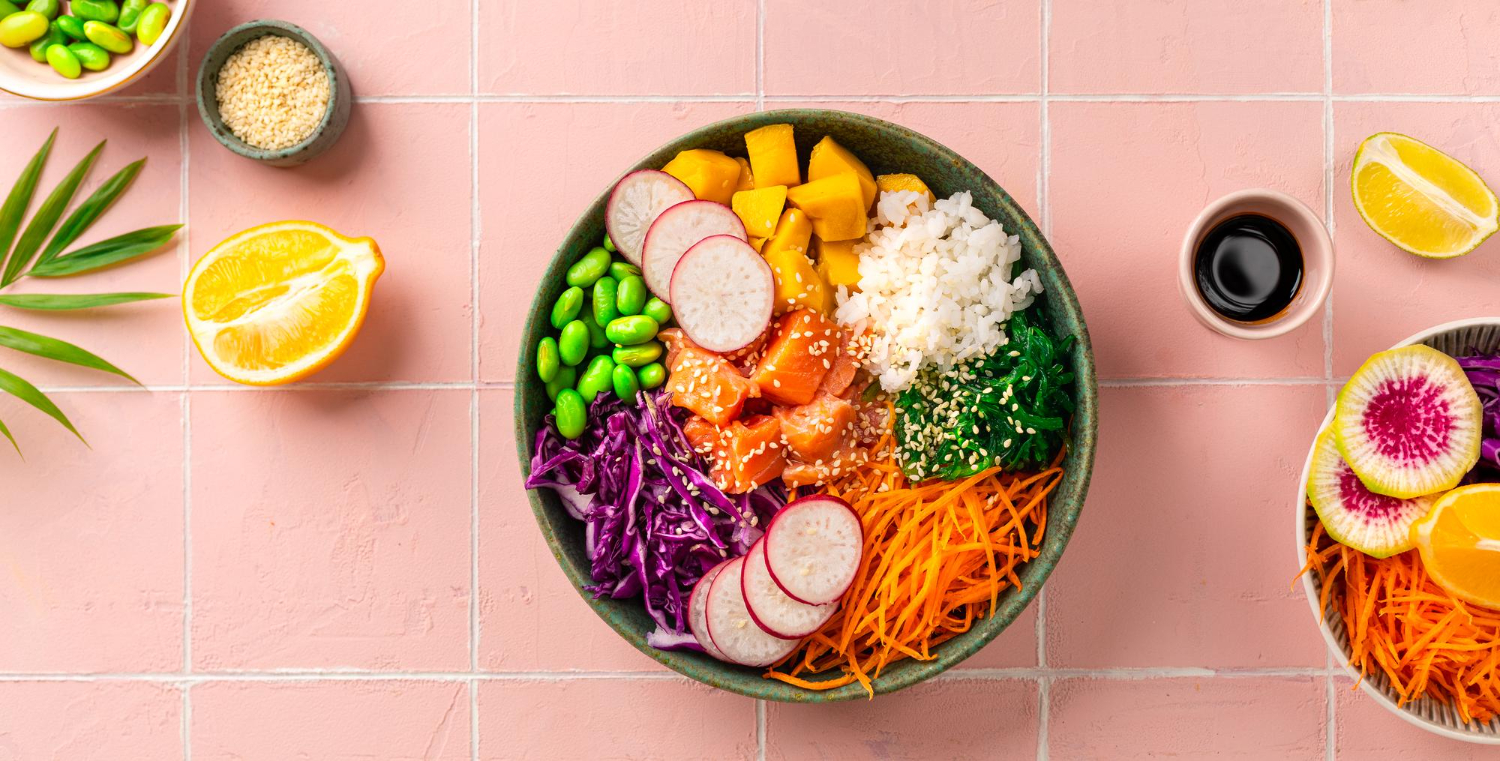
 

Colourful poke bowl with rice, salmon, edamame, tomatoes, mango and fresh vegetables, ideal for a healthy and tasty meal, with lemon and soy sauce.

Types of Poke

Poke is a versatile dish that lends itself to many interpretations, making it an ideal choice for every palate and dietary need. Discovering the different variations of poke will allow you to explore a world of fresh flavours e healthy ingredients. Here is a list of the main types of poke you might encounter:

Poke Traditional Marinated raw fish, often tuna or salmon, served with rice and seasonings.
Poke Spicy Fish marinated in a spicy sauce with fresh, crispy ingredients.
Poke from California A fusion of typical California roll ingredients with rice and seasonings.
Poke Bowl Customisable bowls with rice or vegetable base, protein and assorted seasonings.
Poke Vegetarian Fish-free version with fresh, nutritious vegetable ingredients.

Poke Traditional

This is the most authentic and simple variation of the Hawaiian dish. Consisting of raw fish, usually ahi tuna or salmon, marinated in soy sauce, it is served on a bed of rice. Toppings for this version usually include green onions, seaweed and sesame seeds, which add a crunchy, aromatic note.

This type of dish expresses the true spirit of traditional Hawaiian cuisine, with a fresh flavour and a coloured appearance enticing you to try it. With few but high quality ingredients, this dish is a great choice for those looking for a meal rich in nutrients and low in calories.

Poke Spicy

For those who love the brio of intense flavours, the spicy poke is a perfect choice. This variant retains the essence of the traditional bowl, but introduces a marinade of sriracha or chilli flakes, giving the dish a spicy kick that stimulates the palate. The combination with fresh ingredients such as avocado, cucumber and jalapeños makes each bite an explosion of freshness and vitality.

An interesting aspect of this dish is its ability to balance the spiciness with creamy, fresh ingredients, creating a synergy of flavours that surprises you with every bite.

Poke from California

The California poke represents a fusion of Hawaiian tradition and Californian influences, resulting in a unique dish that attracts many lovers of fusion cuisine. This type of poke generally consists of crab meat, avocado and cucumber, served on a bed of rice. To complete the dish, variable toppings such as sesame seeds and seaweed further enliven the flavour.

This creative combination is perfect for those seeking a different dining experience, blending the best of both gastronomic cultures.

Poke Bowls

Le poke bowls are one of the newest and most popular variants of this Hawaiian dish, offering a modern and customisable option for healthy food lovers. These bowls include a rice or vegetable base, to which you can add a variety of proteins such as tuna, salmon or tofu, along with a selection of fresh vegetables such as edamame, carrots and radishes. The seasonings may vary, but seaweed and sesame seeds are almost always present, adding depth to the flavours.

The beauty of poke bowls lies in their ability to adapt to everyone's taste, allowing you to create your own combination of ingredients.

Sushi Poke

The sushi poke è una straordinaria interpretazione che unisce il mondo del sushi con quello del poke hawaiano. Presenta un letto di riso sushi condito con pesce crudo, come tonno o salmone, e viene tipicamente completato da ingredienti come avocado e una varietà di condimenti. La miscela di sapori è tanto accattivante quanto insolita, rendendo ogni boccone un viaggio attraverso due culture gastronomiche.

Choosing a sushi poke means opting for a refined taste experience, recalling the art of Japanese sushi while savouring Hawaiian authenticity. Thou

Poke Vegetarian

If you are a vegetable lover, the vegetarian poke is an excellent alternative that will not disappoint. This version excludes fish and focuses on a rice or vegetable base, enriched with fresh ingredients such as carrots, cucumber and avocado. Often, tofu or edamame are used as a protein source, offering a tasty and nutritious substitute.

Vegetarian options allow one to enjoy poke while maintaining a healthy diet, and without compromising on flavour.

Compose your poke bowl

For the adventurous, the option of building your poke bowl is an ideal choice. This customisable option allows you to select your favourite base, which can be rice or vegetables, and add a protein of your choice such as tuna, salmon or tofu. In addition, you can choose from a wide range of toppings and sauces to create a unique combination to please your palate.

This interactive experience makes every meal fun and engaging, allowing you to express your culinary creativity.

Tacos

I tacos are a surprising and fun reinterpretation of the traditional poke. They usually include a tortilla filled with raw fish, such as tuna or salmon, garnished with various fresh toppings such as avocado, coriander and a spicy mayonnaise or other sauce. This combination of elements brings the sex and panache of both dishes into a hybrid that tantalises the palate.

Trying poke tacos is a great opportunity to explore a whole new way of enjoying Hawaiian flavours.

Choosing the Perfect Poke

When it comes to choosing the perfect poke, your personal preferences play a key role. It is essential to consider not only your taste, but also any dietary restrictions. Do you like fresh, light flavours, or do you prefer something bolder and spicier? Also, there is the option of opting for a vegetarian or vegan version, which is increasingly making its way onto poke bar menus. Take a moment to think about what you want, because the beauty of the poke lies in its versatility and in the possibility of customisation.

Consider Your Preferences

With the increasing number of variations, making a decision can become overwhelming. Do you want the typical raw fish of the traditional poke, such as ahi tuna or salmon, or do you prefer something more adventurous like a poke with crab meat or tofu? Thinking about your preferences in advance will help you navigate the many options available and find what suits your palate best.

Flavour profiles

The flavour profiles of poke can vary greatly depending on the ingredients and seasonings used. From a simple marinade with soy sauce and sesame seeds to more fiery combinations with sriracha and fresh ingredients such as avocado and cucumber, the possibilities are virtually endless. Every morsel can offer a new experience, depending on how much it matches your taste. Don't forget to experiment: sometimes, the surprising combination of ingredients can become your new favourite.

When exploring flavour profiles, consider textures as well. Each bowl is a symphony of textures: from the crunch of fresh vegetables to the softness of raw fish. In addition, the addition of seasonings such as sesame and seaweed lends additional layers of taste and sensation. This mix not only makes poke an extremely tasty dish, but also turns it into a sensory experience that you can adapt according to your unique preferences.

The History of Poke

Poke is not only a delicious dish, it also has a rich and fascinating history dating back centuries in the Hawaiian Islands. Traditionally, poke was prepared by Hawaiian fishermen who cut fresh fish, often tuna or salmon, into cubes and marinated it with local ingredients such as sea salt and seaweed. This simple and nutritious dish was created to make the most of marine resources, making it an essential food for coastal communities. As fishermen returned home, they shared their spoils and the poke became a symbol of community and sharing.

Origins

The origins of poke go back to the native Hawaiians, who had a deep respect for the sea and its fruits. The use of fresh, local ingredients was an integral part of their culinary culture. Poke was originally a dish served on special occasionsbut its simplicity and unique flavour have allowed it to spread rapidly among the various communities on the islands. Over time, different ingredients were incorporated into the traditional recipe, reflecting cultural and gastronomic influences from around the world.

Evolution

In recent decades, poke has undergone a remarkable evolutiontransforming from a traditional Hawaiian dish to a global gastronomic sensation. Starting in the 1980s and 1990s, globalisation and growing interest in Hawaiian cuisine led to increased visibility of poke outside Hawaii. Restaurants around the world began offering customised versions of bowls, introducing innovative ingredients and combinations to suit modern tastes. Today, you can find a bowl that includes not only raw fish, but also vegetarian and vegan options, making this dish accessible to and enjoyed by an increasingly wide audience.

Today, bowls can be custom-built to each customer's taste, with a variety of proteins, bases and toppings available. This has led to an explosion of culinary creativity, but has also raised questions about the sustainability of the ingredients used. What was once a local dish is now a symbol of cultural fusion and gastronomic innovation, reflecting how tradition can meet modernity in contemporary cuisine.

Modern Trends in Poke

In the contemporary era, this dish has evolved its status from a traditional Hawaiian dish to a global phenomenon, with many places offering unique and innovative variations. Each city seems to have its own twist on this dish, with fresh ingredients and bold combinations capturing the attention of those looking for something new and tasty. If you are curious to know more about making a great poke bowl, you can visit Poke Bowl: what it is and how to make it. These modern trends focus on the choice of fresh ingredients and sauces, making the poke not just a dish to be enjoyed, but an experience to be shared and personalised.

Fusion Ingredients

A fascinating aspect of modern bowls is the integration of fusion ingredients from different cuisines. For example, you might find avocados and mangoes joining classic ingredients such as tuna or raw salmon, creating a mix of fresh, tropical flavours. In addition, the use of sauces such as teriyaki sauce or spicy mayonnaise adds an extra layer of complexity, making each bite unique and memorable.

Creative Combinations

The true beauty of modern poke bowls lies in the freedom to create customised combinations that reflect your tastes. You can indulge in ingredients that you would not normally associate with poke, such as exotic fruits, roasted vegetables or even alternative grains like quinoa. This flexibility allows you to explore a panorama of flavours that transcend the Hawaiian tradition, taking poke into a new culinary dimension.

Don't be afraid to experiment! Try mixing spicy spices with sweet fruity notes or add a touch of crunch with nuts or roasted seeds. Each combination represents not just a dish, but a story you can tell through flavours and your creativity. Remember, poke is a dish alive and evolvingjust like your taste and culinary preferences.

Tips for Tasting the Poke

When it comes to enjoying this Hawaiian dish, there are a few tips that can enhance your dining experience. First of all, always choose fresh ingredients and high quality; freshness of fish is essential for a delicious and safe dish. Use a variety of seasonings and vegetables to add depth of flavour and texture. Remember that the poke bowls can be customised according to your preferences, so don't hesitate to experiment!

  • Opt for high quality raw fish.
  • It incorporates several fresh vegetables.
  • Experiment with sauces and condiments.
  • Try spicy variants for an extra touch.
  • Don't forget to have fun in the creation process!

You are sure to find that each bite is a journey between culture and freshness that can really make you feel connected to the Hawaiian roots of this dish. Don't be afraid to share your experience with friends, creating a convivial moment around a great table!

Freshness Counts

When it comes to pokethe freshness of the ingredients is what makes the difference. Fish must be extremely fresh to ensure not only a delicious taste, but also safe preparation. Always look for suppliers who guarantee fresh, high-quality products, and don't be afraid to ask about the provenance of the fish. A good bowl starts with the right choice of ingredients; fresh ahi tuna is a must for a truly authentic dish.

Moreover, freshness is not only limited to the fish. Vegetables must also be crispy and tasty to provide the right balance of textures and to liven up the dish. Remember that poke is an explosion of natural colours and flavours; every ingredient must be carefully chosen to provide an unforgettable dining experience.

Balance of Flavours

Capturing thebalance of flavours is essential for a successful poke. Each component - from fish to sauce, from vegetables to seasonings - must harmonise with the others. Use sauces such as soy sauce or thesesame oil carefully, ensuring that they do not obscure the fresh taste of the ingredients. The key is to find a balance between salty, spicy e freshwhich makes every bite an amazing experience.

Also, don't forget the importance of textures. Adding surprisingly crunchy ingredients like cucumber or edamame can enrich your poke bowl, while creamy ingredients like avocado add an element of satisfaction. A well-balanced poke not only satisfies the palate, but also offers a visual experience that makes the meal even more rewarding.

Conclusion

Now that you have explored the various types of poke, from the traditional version to the more modern bowls, it is time to choose the one that best suits your taste. Remember that poke is a versatile dish that can be customised according to your preferences, whether you are a raw fish lover or looking for a vegetarian option. Take your time to experiment with the different combinations of ingredients and flavours; you will find that each mouthful is a journey, taking you straight to the Hawaiian tropics.

Don't forget to also consider the freshness of the ingredients and the quality of the fish you choose, as a well-prepared poke is a triumph of fresh, light flavours. With a little curiosity and willingness to try, you might just discover your new favourite dish. So, what are you waiting for? Prepare your own bowl of poke and immerse yourself in this delicious gastronomic experience!

FAQ

Q: What is poke?

A: Poke is a traditional Hawaiian dish of raw fish, typically tuna (ahi) or salmon, marinated in soy sauce and served on a bed of rice along with various vegetables and seasonings. It is a simple but tasty and nutritious dish.

Q: What are the most popular variants of poke?

A: Popular variations of poke include the traditional poke (marinated tuna or salmon), the spicy dish (with sriracha sauce), the California dish (with crab meat), modern poke bowls, sushi poke and vegetarian or vegan options.

Q: Can I customise my poke bowl?

A: Yes, i love poke offers a 'build your own bowl' option, where you can choose the base (rice or vegetables), protein (such as tuna, salmon or tofu) and toppings to create a unique combination according to your taste.

Q: Is it possible to have a poke without fish?

A: Absolutely! There are many vegetarian and vegan options available. These can include tofu, edamame and a variety of fresh vegetables, allowing you to enjoy the dish without using meat or fish.

Q: Is poke a healthy dish?

A: Yes, it is considered a healthy dish, as it combines fresh and nutritious ingredients. Rich in protein and with many vegetable options, it can be a nutritious choice for a light meal.

Q: What seasonings are typical in poke?

A: Typical condiments include soy sauce, sesame oil, chopped green onions, seaweed, sesame seeds and sometimes spicy sauces or mayonnaise-based sauces, such as spicy mayonnaise for taco variants.

Q: How can I choose the right poke for me?

A: To choose the right poke, consider your personal preferences: do you prefer spicy or delicate flavours? Do you like raw fish or are you looking for vegetarian options? Also consider the freshness of the ingredients and try different combinations to find the one that suits you best.


What are Mexican Tacos?

I Mexican tacos are among the most iconic dishes of Mexican cuisine, known for their versatility, unique flavour and ability to please any palate. But what makes them so special? In this article, we will explore the history, ingredients, regional variations, and interesting facts about tacos. We will also delve into how best to prepare them and where best to enjoy them.


Origin of Tacos: a Rooted Tradition

The history of tacos is deeply intertwined with that of Mexico. It is believed that the origin of tacos dates back thousands of years, when the Aztecs used corn tortillas as edible utensils to transport food. The word 'taco' is in fact derived from Spanish and means 'piece' or 'bundle', a reference to the shape of the folded tortilla.

Over time, tacos have evolved, embracing a variety of fillings and flavours that reflect Mexico's rich culinary culture.


Basic Ingredients: The Essence of Tacos

A traditional taco consists mainly of three elements:

  1. TortillaThe base of the taco, which can be made of maize or flour.
  2. Stuffing: Meat, fish, vegetables or other specialities.
  3. Condiments: Sauce, lime, coriander, onion and sometimes cheese.

Tortilla: Corn or Flour?

The tortilla is a key element of tacos. Corn tortillas are the most traditional, with an earthy and authentic flavour. Flour tortillas, on the other hand, are softer and suitable for more robust fillings. The choice often depends on region or personal preference.

Popular Fillings

  • Meat Asada: Thin slices of grilled beef.
  • ChickenSpicy and grilled.
  • Carnitas: Pork cooked slowly until tender.
  • Fish or Prawns: Particularly common in coastal regions.
  • Vegetarians: Black beans, avocado, tofu and grilled vegetables.

Condiments That Make a Difference

The condiments are what turn a simple taco into a culinary experience. Among the most popular are:

  • Spicy sauces such as guacamole or salsa roja.
  • Fresh coriander for an aromatic touch.
  • Lime to balance the flavours.
  • Chopped onions for crunchiness.

Regional Variants of Tacos

Mexico is a vast country, and each region has developed its own unique versions of tacos. Here are some of the most famous:

1. Tacos al Pastor

A variant inspired by Lebanese culture, prepared with marinated pork and cooked on a vertical spit, often served with pineapple.

2. Tacos de Barbacoa

Typical of central regions, these tacos are filled with slow-cooked beef or lamb.

3. Tacos de Pescado

Originating in Baja California, they are stuffed with fried or grilled fish, accompanied by cream and cabbage.

4. Tacos de Canasta

Also known as 'street tacos', they are sold in large baskets and contain simple fillings such as beans or potatoes.


How to Prepare Tacos at Home?

Ingredients Needed

To prepare authentic tacos, you will need:

  • Fresh tortillas (corn or flour).
  • Meat or vegetarian alternative.
  • Mexican spices such as cumin, paprika, and chilli pepper.
  • Fresh seasonings.

Procedure

  1. Prepare the filling: Cook meat or vegetables with spices.
  2. Warm up the tortillasOn the griddle or in the oven.
  3. Assemble the taco: Add the filling and complete with seasonings.

For an authentic touch, try serving the tacos with a homemade salsa, such as guacamole or salsa verde.


Where to Enjoy Quality Tacos?

If you don't feel like cooking, tacos can be enjoyed in restaurants specialising in Mexican cuisine or at street food events. In addition, you can explore creative alternatives in innovative venues such as those at I Love Pokea company that has been able to bring exotic culinary specialities to the heart of Italian cities.


Curiosities about Tacos

  • National Tacos Day: In the United States, 'National Taco Day' is celebrated on 4 October.
  • Tacos and CelebritiesThey are loved by international stars, who often share them on social media.
  • Innovative Tacos: Oggi si trovano tacos con ripieni moderni come sushi, poke e ingredienti gourmet.

FAQ: All about Mexican Tacos

1. Are tacos always spicy?

No, the level of spiciness depends on the type of sauce and seasonings used.

2. Can tacos be made without meat?

Absolutely! Vegetarian tacos are very popular and can include beans, cheese, mushrooms and other vegetables.

3. What is the difference between burrito and taco?

The main difference is the size and the way of closing: burritos are wrapped completely, while tacos are left open.

4. Can I make tortillas at home?

Yes! All you need is cornflour or wheat flour, water and a little manual dexterity.


Conclusion

I tacos Mexicans are more than just a food: they represent a tradition, an experience and a celebration of authentic flavours. Whether you prepare them at home or enjoy them in a restaurant, each taco tells a story of culture and passion. Explore new variations and be inspired by the creativity that revolves around this iconic dish.

If you wish impress your guests with uniquely flavoured dishes, gourmet tacos are the answer. In this article, we present five recipes easy and delicious that will make your dinners unforgettable. With fresh ingredients and creative combinations, you can turn a simple Mexican dish into an extraordinary dining experience. Get ready to explore surprising flavours that will leave everyone speechless!

Key points:

  • Innovative recipesDiscover how to make gourmet tacos with unique and delicious ingredients.
  • Ease of preparation: The recipes presented are quick and easy, ideal for surprising guests without stress.
  • Variety of flavours: Each recipe offers a combination of different flavours, allowing all palates to be satisfied.

What are gourmet tacos

I gourmet tacos are a creative and sophisticated reinterpretation of the classic Mexican taco. Unlike the traditional version, gourmet tacos are characterised by high-quality ingredients and flavour combinations incredible. You can experiment with selected meats, artisanal sauces and special toppings, making every bite a unique experience and unforgettable. In this way, you can surprise your guests with dishes that not only satisfy the palate, but are also a real feast for the eyes.

Basic ingredients for gourmet tacos

To create gourmet tacos that will impress your guests, it is essential to choose high quality ingredients. Start with fresh tortillaspreferably corn or flour, to ensure a savoury base. For the filling, prefer soft meats such as marinated chicken o slow-cooked beefas well as vegetarian alternatives such as black beans o spiced tofu. Don't forget to enrich it with fresh sauces, crispy vegetablesand a final touch of cheese o guacamole for a complete taste experience. The combination of flavours and textures will make your tacos a real hit!

Recipe 1: Tacos with spicy chicken

Learn how to prepare tacos with spicy chicken that will delight your guests! Start by marinating the chicken with a mixture of spices such as paprika, cumin e chillito enhance the flavour. After grilling, stuff your tortillas with chicken, adding creamy avocado and fresh salsa. For a special touch, serve them with Taco TeXMex by Rubia Gallega - Shop Longinoa combination that will leave everyone speechless!

Recipe 2: Fish tacos with mango salsa

Impress your guests with fresh fish tacosperfect for a summer dinner. Start by marinating white fish fillets such as cod or tuna, using lime juice, cumin and a pinch of salt. Grill the fish to bring out the flavours. For the mango saucecombine ripe mango, red onion, fresh coriander and a little chilli to give the dish a fresh twist. Assemble them in warm tortillas and serve with lime wedges for an extraordinary experience!

Recipe 3: Vegan tacos with lentils and avocado

To surprise your guests with a dish delicious and healthytry vegan tacos with lentils and avocado. Start by cooking lentils in plenty of water until tender. Once ready, mix them with spices such as cumin and paprika for an enveloping flavour. For the garnish, slice a creamy avocado and add some lime juice for a fresh touch. Fill your tacos and garnish with fresh coriander. Your guests will appreciate the combination of flavours and textures!

Recipe 4: Tacos with beef and guacamole

If you want to surprise your guests with a dish rich in flavourtry these tacos with beef and guacamole. Start by browning the beef with spices such as cumin and paprika for a bold taste. Meanwhile, prepare a fresh guacamole with creamy avocado, lime and coriander. Assemble your tacos with a crunchy tortilla, adding the meat, guacamole and possibly a few strips of chilli. This combination is not only delicious, but will also bring a gourmet touch to your menu!

Recipe 5: Sweet Tacos with Fruit and Cream

Start surprising your guests with the sweet tacosan irresistible dessert! To make them, you can use corn or flour tortillas, which you stuff with cream cheese or Greek yoghurt. Add a variety of fresh fruit such as strawberries, kiwis and bananas, making the dish colourful and appetising. Don't forget to garnish with a touch of cinnamon and honey to enhance the flavours. These sweet tacos are a perfect way to end your gourmet dinner and leave your guests speechless!

Conclusion

Now that you have these 5 easy and delicious gourmet taco recipes at your disposal, you have everything you need to surprise your guests with unique and tasty dishes. Experiment with fresh ingredients and creative presentations to make each taco an unforgettable experience. Remember, the important thing is to have fun in the kitchen and share special moments with the people you love. Enjoy!

FAQ

Q: What are gourmet tacos?

A: Gourmet tacos are a refined version of traditional Mexican tacos, prepared with high-quality ingredients and creatively presented. They can include innovative fillings and artisanal sauces, offering a unique and surprising dining experience.

Q: What are the 5 easy and delicious recipes proposed?

A: The 5 recipes included in the book 'Gourmet Tacos - 5 easy and delicious recipes to impress your guests' feature variations such as fish tacos with mango salsa, grilled chicken tacos with guacamole, vegetarian tacos with black beans and avocado, barbecue meat tacos with caramelised onions and spicy shrimp tacos with lime cream. They are all easy to prepare and perfect for any occasion.

Q: Can I prepare tacos in advance?

A: Yes, you can prepare some ingredients in advance, such as sauces and marinades. However, it is advisable to assemble the tacos just before serving to ensure that the tortillas are crispy and fresh. You can also keep the fillings separate and assemble them at the time of serving.

Q: What drink pairings do you recommend to accompany gourmet tacos?

A: Gourmet tacos go well with different drinks. You can opt for a light craft beer, a chilled white wine or a classic margarita. Soft drinks such as coconut water or fruit smoothies are also good choices to accompany your tacos.

Q: Can recipes be adapted for special dietary requirements?

A: Absolutely! Gourmet taco recipes can be easily adapted to meet different dietary needs. You can replace proteins with plant-based alternatives, use gluten-free tortillas or modify the sauces to make them vegan. All it takes is a little creativity to make tasty tacos for everyone!

Mexican street food

Mexican street food, I authentic tacos are one of the most popular dishes in Mexican cuisine and preparing them at home is an experience that can enrich your evenings. In this article, you will discover the secrets to making delicious and flavourful tacos, using fresh ingredients and traditional techniques. You will learn how to choose the right tortilla and prepare fillings that will conquer your palate, guaranteeing a real taste explosion. Get ready to impress your friends and family with these simple but extraordinary dishes!

Key points Mexican street food:

  • Fresh ingredients: Using high quality and fresh ingredients is crucial for authentic tacos.
  • Culinary experience: Preparing the meat and sauces from scratch enriches the experience and flavour of tacos.
  • Gastronomic tradition: By following traditional recipes, one can enjoy authentic Mexican street food at home.

History of Tacos

Tacos have a long and fascinating history which dates back to pre-Columbian times, when the indigenous peoples of Mexico used corn tortillas to wrap various fillings. This simple but nutritious food has over time become one of the symbols of the Mexican cuisine, appreciated not only in Mexico, but also worldwide, thanks to its versatility and intense flavours.

Origins and traditions

The origins of tacos are closely linked to the Mexican culinary tradition, where the corn tortilla was a fundamental element. Early variations of tacos were prepared with simple ingredients such as meat, beans and spices, becoming a daily meal for families. This preparation was a practical and quick way to consume food, keeping the gastronomic culture local.

Evolution over time

Over time, tacos underwent significant evolution, especially during the 20th century, when Mexican immigration to the United States led to the creation of variations. From tacos al pastor at hard shell tacosrecipes have been adapted to local tastes, resulting in versions that you can now find all over the world. Restaurants and food trucks continue to reinvent this dish, making it increasingly popular and accessible.

This evolution has made tacos a cosmopolitan dish, reflecting the different cultures that embrace them. Today, tacos can feature a wide range of ingredients, from fish to vegetarian, and thanks to their versatilityyou can have fun creating them in many variations at home. Despite modern influences, tacos retain their roots in Mexican tradition, ensuring an authentic and flavourful dining experience.

Essential Ingredients

To prepare authentic tacos at home, it is essential to have a few key ingredients. Starting with the Homemade tacos: bring Mexican street food to the tableyou need fresh tortillas, high-quality meat, and a selection of fresh seasonings. Do not underestimate the importance of spices and sauces, which can make all the difference in the final flavour of your tacos.

Tortillas

Le tortillas form the basis of tacos and their choice is crucial. You can opt for flour or maize ones, depending on your preference. Making them at home with simple ingredients will allow you to enjoy an authentic flavour and perfect texture. Remember that tortillas need to be warm and soft to wrap your ingredients well.

Meat and seasonings

The choice of meat is essential: you can use chicken, beef, pork or even vegetarian alternatives. Make sure you marinate the meat well for a more intense flavour. As for the seasoningssalsa, avocado, onion and coriander are essential to enrich your taco. Don't forget that the balance of flavours is the key to an authentic experience, so be prepared to be creative and customise your tacos to your taste.

Types of Tacos

Tacos are a versatile and flavourful dish with several variations that you can prepare at home. Depending on the ingredients and cooking techniques, you can discover a world of flavour. In this section, we will explore traditional tacos and regional variations, giving you the opportunity to savour the true essence of the Mexican street food.

Traditional Tacos

When you talk about traditional tacos, you are referring to those made with a simple corn tortilla, filled with succulent meat such as asada, pastor o barbacoa. These tacos are usually garnished with onion, coriander and a hot sauce for an authentic and flavourful experience.

Regional Variants

The regional variations of tacos give an idea of how much is different Mexican cuisine. Each region has its own specialities, from the thicker tortillitas in the state of Oaxaca to the fish tacos typical of Baja California. These differences reflect the cultural diversity and access to local ingredients.

For example, in Veracruzyou can find fresh and aromatic catch-of-the-day tacos, while in the Northern Mexicocarne asada tacos are a real must. Each region has its own tradition that enriches the preparation and tasting of tacos, making every bite a journey through Mexico. Don't forget to experiment with regional recipes in your own kitchen for a true feast of flavours!

Preparing Tacos

To prepare authentic tacos, start by choosing fresh, high-quality ingredients. Use corn tortillasas they are the traditional basis of Mexican tacos. You can opt for meat such as chicken, beef or pork, to be marinated in spices such as cumin and paprika. Cook your filling until it is juicy and tasty, ready for the final assembly.

Cooking techniques

For ideal baking, you can use different techniques, such as grilling, brown o stewdepending on the type of meat chosen. Grilling adds a delicious smoky flavour, while browning allows for a perfect crispiness. Make sure not to overcook, to keep your stuffing moist and tasty.

Perfect assembly

Assembling tacos is an art! Start with a warm tortilla, add the meat filling, covering it generously, then complete with fresh ingredients such as onion, coriander and lime. Don't forget to add a hot sauce for an extra touch of flavour.

For a perfect assembly, remember that balance is key: don't overload your tacos to prevent them from breaking. Experiment with different combinations of flavours and textures, using fresh sauces, guacamole e cheese to customise your tacos to your taste. Remember: every time you make tacos, presentation counts; a well-assembled taco is not only delicious but also beautiful to look at!

Tips for Serving

When you serve your tacosremember to present them in an attractive and authentic way. You can use coloured plates or corn leaves for a traditional touch. Warm up the tortillas before stuffing them for a tastier experience. Make sure you have several types of seals and sauces to satisfy all your guests' tastes.

Garnishes and sauces

Toppings and sauces are essential to enhance the flavour of your tacos. Offer a variety of options such as chopped onion, fresh coriander, jalapeños and a selection of spicy sauces. The diversity of toppings will allow your diners to customise their tacos to their own tastes.

Presentation and accompaniment

The presentation of tacos is as important as their taste. Decorate the plate with lime slices and a sprinkle of coriander to add freshness. You can serve the tacos with accompaniments such as Mexican rice o black beans for a complete meal. These elements not only enrich the flavour, but also make your dish more inviting.

Include accompaniments such as guacamole e salsa pico de gallo not only gives a touch of freshness, but completes the gastronomic experience. If you want a festive atmosphere, consider serving the tacos with a traditional drink such as agua fresca o margarita. Remember, a well-presented and accompanied dish will make your tacos not only more appetising, but also a sight for sore eyes.

Pairings and Drinks

When you prepare your authentic tacosit is essential to consider the right combinations to enhance the flavours. You can opt for spicy sauces, guacamole or sour cream that will give your dishes an extra kick. Don't forget to also choose the right drinks to accompany your Mexican dinner, creating a complete dining experience.

Traditional drinks

A classic to go with tacos is the margaritawhich offers a perfect balance between sweetness and acidity. Other options include the horchataa rice and cinnamon drink, which will sweeten the palate between bites. You can also consider local beers, such as the Crownfor a refreshing and thirst-quenching combination.

Gastronomic combinations

To maximise your gastronomic experience, you can consider various gastronomic combinations with your tacos. Try combining different proteins such as chicken, beef or fish, with fresh ingredients such as coriander, lime, and cippolla. Each added ingredient can transform your dish by giving a new dimension to the flavours. Don't be afraid to experiment, even adding slices of jalapenos for a spicy note or a touch of fruit for an unexpected flavour. The possibilities are endless and every combination can be surprising!

Conclusion - Mexican street food

Now that you know the secrets to making authentic tacos at home, you are ready to bring the flavour of Mexico into your kitchen. Choose fresh ingredients, follow traditional recipes and don't forget to customise your tacos with your favourite sauces and toppings. With a little practice, you can surprise your friends and family with your cooking skills and make every meal an unforgettable experience, just like in the bustling streets of Mexico.

FAQ - Mexican street food

Q: What ingredients are needed to make authentic tacos?

A: To make authentic tacos you will need corn tortillas, meat of your choice (such as beef, chicken or pork), onion, fresh coriander, lime and a hot sauce. You can also add ingredients such as avocado, tomatoes and cooked cheese, depending on your taste.

Q: How can I make corn tortillas at home?

A: To make corn tortillas, you will need nixtamalised corn flour (masa harina) and water. Mix the flour with water until you get a soft, mouldable dough. Shape the dough into balls and crush them into thin discs. Cook the tortillas on a hot griddle for about 30 seconds per side until soft and lightly browned.

Q: What is the best meat to use for tacos?

A: The choice of meat depends on your personal taste. Beef is a popular choice, especially meat for tacos such as chuck roast or ground beef. Chicken, marinated in spices and slow-cooked, is another good option. Pork, like carnitas, is very tasty and tender. You can also opt for vegetarian options such as mushrooms or black beans.

Q: How can I make my tacos spicy?

A: To make your tacos spicy, you can add a variety of hot sauces. You can make a salsa with fresh chillies, tomatoes, garlic and onion. Alternatively, you can use commercial sauces such as habanero sauce or salsa verde. Remember to taste as you add the ingredients to find the right level of spiciness for you.

Q: Can I prepare tacos in advance?

A: Yes, you can prepare some ingredients in advance. You can cook the meat and prepare the sauces the day before. Tortillas, however, are best eaten fresh; you can warm them up quickly before serving. If you have prepared tortillas in advance, store them in a plastic bag to keep them soft until serving.

If you are looking for a summer dish that will delight your palate, the fish tacos are just the thing for you. These rustic, fragrant tacos offer fresh and light flavoursperfect for hot summer days. Using fresh fish and colourful ingredients such as avocado, lime and cilantro, you can easily create a gastronomic experience that will delight your senses and surprise your guests. Find out how to prepare these delicious tacos and bring a wave of freshness to your table this summer!

Key points:

  • Freshness: Fish tacos offer an explosion of fresh flavours, perfect for summer.
  • LightnessThey are a light option that satisfies without weighing you down.
  • Versatility: They can be customised with various ingredients and sauces to suit every palate.

The Origins of Fish Tacos

I fish tacos have origins dating back centuries, when coastal communities in Mexico began to exploit local fish resources. These delicious dishes have become a symbol of Mexican cuisine, combining gastronomic tradition with fresh ingredients from the sea. Today, fish tacos are not just a meal, but a culinary experience that speaks of culture and history.

Historical Roots

The roots of fish tacos can be traced back to the frugal meals of fishermen, who used fresh fish wrapped in corn tortillas. With the advent of tourism and culinary innovation, this dish has gained popularity beyond Mexican borders, embracing flavours and preparation techniques from different cultures.

Regional Variants

Fish tacos vary widely from one region to another. For instance, in Baja California, fish is often fried and served with cabbage sauce, while in the Gulf region, grilled variants with fresh ingredients such as avocado and crema are preferred. Each region adds its own unique touch, turning the dish into an explosion of flavours.

Le regional variants fish tacos not only reflect the diversity of ingredients available, but also local culinary traditions. In some areas, you may find fish tacos with spicy sauces e fresh seasoningswhile others prefer lighter and more delicate preparations. These differences make each experience with fish tacos unique, allowing you to explore a range of flavours and cultures through a simple dish.

Key Ingredients for Fish Tacos

To prepare tasty fish tacosit is essential to choose fresh, high-quality ingredients. The main ingredients include fresh fish, corn tortillas, and a variety of seasonings. The combination of flavours and textures between the fish and the sauces will create a light and refreshing dish. Make sure to always have the best raw materials available to guarantee an unforgettable culinary experience.

Types of Fish

In the preparation of fish tacos, you can choose from several varieties of fish that can enhance the flavours of the dish. Some of the most common include:

  • Cod
  • Tuna
  • Tilapia
  • Mackerel
  • Salmon

Take that the choice of fish can greatly influence the final flavour of your tacos.

Fresh Condiments and Sauces

To enrich your fish tacos, i fresh condiments and sauces are essential. Ingredients such as cabbage, avocado, tomatoes and lime give a fresh and crunchy touch. Spicy or yoghurt-based sauces can further enhance the dish. Uses ingredients season for unbeatable flavour!

Fresh sauces and dressings not only improve the taste of your fish tacosbut they also provide nutrition. For example, avocado provides healthy fats, while lime adds the perfect sour note. If you want an 'explosion of flavour', combine ingredients such as fresh coriander, jalapeños and a spicy mango sauce. The use of fresh ingredients is essential to ensure a healthy and tasty dish, ideal for summer.

Preparing the Perfect Fish Tacos

To prepare your fish taco perfect, start by choosing fresh fish such as cod, salmon or mahi-mahi. Make sure you marinate it for at least 30 minutes in a mixture of lime juice, spices and olive oil. Once marinated, you can move on to cooking it using your favourite technique.

Cooking Methods

When it comes to cooking your fish, you have several options. You can opt for grilling fish for a smoky flavour, or fry for a delicious crunch. La baking is a lightweight alternative, while the pan cooking offers speed and simplicity. Choose the method that best suits your cooking style!

Assembling the Tacos

Assembling your tacos is a moment of creativity! Start by filling a corn tortilla slightly warm with your cooked fish. Add fresh ingredients such as kale, avocado and corianderthen complete with a hot sauce or a bit of cream. Don't forget a touch of lime for a flavour explosion!

When assemble the tacosmake sure to balance the ingredients to achieve a perfect combination of flavours and textures. Don't be afraid to experiment with sauces and vegetables: a little hot sauce can add a nice touch of liveliness. Remember, fish tacos are versatile, so customise them to your taste! Enjoy!

Side dishes and Complementary Drinks

To complete your culinary experience with fish tacos, it is essential to choose the right contours e drinks. These elements not only enrich the meal, but also accentuate the fresh and light flavours, creating a perfect balance that makes every bite unforgettable.

Ideal side dishes

Ideal side dishes to accompany your fish tacos include fresh salads based on ingredients such as avocado, tomatoes and lime, which add a note of freshness. Other good combinations are the lime rice or the grilled vegetableswhich bring an extra touch of flavour to your dish.

Refreshing Drink Pairings

When it comes to drinks, opt for a fresh lemonade or one light beer can make a difference. Even a tequila cocktails can complement your tacos beautifully, enhancing maritime flavours with a touch of liveliness.

Consider serving your fish tacos with a frozen margarita. This drink is not only refreshing, but its citrusy and slightly sweet taste goes perfectly with the flavours of the fish. Alternatively, a craft beer with citrus notes could beautifully balance the intensity of the seasonings. Don't forget the importance of fruit infusions for a non-alcoholic choice that will impress your guests, adding colour and freshness to your summer table!

Nutritional Benefits of Tacos

Fish tacos offer a mix of essential nutrients that can enrich your summer diet. Thanks to the fish, these tacos are a source rich in proteinomega-3 fatty acids and vitamins. By choosing fresh, light ingredients, you can enjoy a meal that is not only deliciousbut also nutritive for your body.

Healthier Protein Options

Choosing fish as a source of protein in your tacos is one of the choices healthier you can do. Compared to red or processed meat, fish offers high-quality protein with a reduced saturated fatmaking your meals lighter and easier to digest.

Nutritional Value of Ingredients

Each ingredient in fish tacos contributes to the nutritional value of the dish. For example, fish is rich in B vitamins and minerals such as selenium and iodine, while fresh vegetables such as cabbage, avocados and tomatoes provide antioxidants and fibre, essential for your well-being.

When preparing your fish tacos, each ingredient plays a key role in providing a balance of nutrients. Fish, for example, is a source excellent lean proteincontributing to your daily requirements without the side effects of fattier meats. The fresh vegetables not only add flavour, but enrich the dish with vitamins and minerals vital, while the avocado brings healthy fats that promote heart health. By creating a combination of these ingredients, you take care of your body while delighting your palate.

Seasonal Variants and Creativity

In summer, the fish tacos can become an opportunity to experiment with new combinations and fresh ingredients. You can customise your dish by using seasonal fish and ingredients such as mango, avocado and yoghurt sauce. For more ideas inspired by fish tacos, check out Fish tacos: the exotic dish that is winning everyone over. In this way, every bite will burst with freshness and flavour!

Adapting Recipes for Summer

Adapt your fish taco recipes by substituting lighter fish such as mackerel or sea bass, perfect for the warmer months. Add crunchy vegetables and refreshing sauces to maintain a balanced taste.

Experimenting with Tastes

Experimenting with flavours is one of the most fun parts of preparing fish tacos. You can add exotic spices, fresh herbs and unique seasonings to give your dish a personal touch.

Don't be afraid to be bold: try unusual combinations such as marinated rhubarb or fruit-based sauces. The use of fresh and variable ingredients will stimulate your palate and make your fish tacos really specials. You might discover a new favourite recipe that will amaze your guests and enrich your summer dinners!

Conclusion

Tacos are an ideal option for your summer dinners due to their lightness and freshness. With ingredients such as fresh fish, crispy vegetables and aromatic sauces, you can create a richly flavoured dish that stimulates the palate without weighing it down. They not only satisfy your craving for new culinary experiences, but also bring the freshness of the sea directly to your table. Experiment with different combinations and discover how fish tacos can become a real summer must-have in your kitchen.

FAQ

Q: What are fish tacos?

A: Fish tacos are a traditional Mexican dish consisting of corn or flour tortillas filled with fresh fish, usually grilled or fried. They are often accompanied by fresh ingredients such as cabbage, avocado salsa, tomatoes and lime, creating an explosion of light and fresh flavours, perfect for summer.

Q: What is the best fish to use for tacos?

A: Fish most commonly used for fish tacos include cod, tilapia, swordfish and salmon. It is important to choose high-quality fresh or frozen fish and, if possible, choose sustainable varieties for a reduced ecological footprint.

Q: Can I prepare tacos in advance?

A: Yes, you can prepare some ingredients in advance. Tortillas can be heated and ready to serve at the moment, while fish can be marinated and cooked in advance. However, it is best to assemble the tacos shortly before serving to maintain the freshness and crispness of the ingredients.

Q: What side dishes should be paired with fish tacos?

A: Fish tacos go well with light and fresh side dishes. Some popular options include cucumber salads, guacamole, lime rice and black beans. Nachos with fresh salsa or a simple salad can also be good accompaniments.

Q: How can I make my tacos spicier?

A: To add spiciness to fish tacos, you can include ingredients such as jalapeño or serrano chillies, hot sauce, or marinate the fish with hot spices such as chilli powder. In addition, using habanero or chilli sauces can raise the spiciness level of your tacos.

If you wish to learn how to create your perfect poke bowlyou are in the right place! This Hawaiian dish is not only delicious, but also rich in fresh ingredients that you can customise to your taste. In this article, I will guide you through the essential components and I will provide you useful tips to create a balanced and tasty combination. Get ready to discover how to turn simple ingredients into a nutritious and colourful meal, perfect for any occasion!

Key points:

  • Fresh ingredients: Choose fresh, high-quality ingredients to ensure an authentic, healthy flavour in your poke bowl.
  • Combinations of flavoursExperiment with different combinations of ingredients, such as raw fish, vegetables and sauces, to find your ideal blend.
  • Presentation: Don't forget to take care of the presentation of your poke bowl, using different colours and textures to make it visually appealing.

Fresh Ingredients for the Poke Bowl

To create your perfect Poke Bowl, it is essential to choose fresh, high-quality ingredients. Poke Bowls are based on a combination of flavours and textures that make each bite unique. Use seasonal ingredients and opt for local products if possible to ensure freshness and taste. Remember that variety is key: don't limit yourself to just a few ingredients, explore different options and have fun customising your dish.

Base: Rice, Quinoa or Salad

The base of your Poke Bowl is crucial and can vary between rice, quinoa or salad. Choose the sushi rice for a soft texture, the quinoa for a more nutritious option, or a mix of crispy salads for a fresh, light dish. Each base adds a dimension of flavour and nutrition, so choose the one that best suits your taste.

Protein: Fish, Tofu and Alternatives

Your Poke Bowl requires a protein source that can vary from fresh fishsuch as tuna or salmon, at options vegetarians such as tofu or tempeh. Experiment with alternative proteinssuch as legumes or seitan, to suit your dietary preferences. Make sure the proteins are fresh and of high quality to ensure the best possible taste.

When choosing your protein, consider the importance of freshness. If you opt for raw fishmake sure you buy it from a reputable supplier to avoid health risks. If you prefer vegetarian options, the marinated tofu can add flavour to your bowl, while legumes not only provide protein but also fibre. Experiment with different combinations to find the one you like best.

Vegetables: Choices and Preparation

Vegetables are an essential element in your Poke Bowl. You can choose from a range of fresh ingredients, such as cucumber, carrot, avocado and seaweed. Remember that preparation counts: slice vegetables evenly for a visual touch and better flavour. Also, try including some fermented vegetables for extra flavour and probiotic benefits.

To maximise the flavour of your vegetables, consider marinate carrots or cucumbers in a mild solution of vinegar and sugar for a few minutes. This little trick can enhance the taste and add an interesting sweet and sour note to your dish. Don't forget to vary the colours and textures: a mix of crunchy and creamy vegetables will make your Poke Bowl even more appetising.

Condiments and Sauces: Making Special

Condiments and sauces can elevate your Poke Bowl to a new level of flavour. For a classic base, try soy sauce or ponzu, but don't be afraid to experiment with sauces such as wasabi mayonnaise or the goma. These details can really make a difference and make your creation unique.

To make your Poke Bowl really special, consider creating a customised sauce based on fresh ingredients. A mix of sesame, lime, soy sauce and a pinch of chilli can add an unforgettable flavour. Additionally, you can garnish with sesame seeds or chopped spring onions for extra flavour reinforcement and decoration. Don't be afraid to be creative and adapt the seasonings to your personal taste!

Useful Tips for Preparation

To prepare your perfect Poke Bowl, pay attention to the freshness of ingredients. Choose high quality fish, seasonal vegetables and carefully prepared rice. Remember to experiment with the right proportions: maintain a balance of flavours and textures. Don't forget to let the fish marinate for a few minutes before serving to enhance the flavour. Finally, follow hygiene regulations to ensure a dish delicious and safe.

Flavour Combinations

Create unique flavour combinations for your Poke Bowl. You can mix ingredients sweet and savourysuch as mango and avocado together with soy sauce. Don't be afraid to add spices to give that extra touch; the wasabi or the chilli can add a spicy flavour that surprises the palate. Also experiment with different sauces to create a unique flavour profile to suit your personal taste.

Presentation and Service

The presentation of your Poke Bowl is crucial for a memorable dining experience. Use ingredients of bright colours and arrange them artistically on the rice. You can garnish with sesame seeds, chives or lime slices for a fresh touch. Serve in ceramic or bamboo bowls, which can enhance the beauty of the dish. Remember that a good presentation not only makes the dish more appetising but also makes the timing of the meal special and unforgettable.

Popular variants of Poke Bowl

When it comes to the Poke Bowl, there are so many variations! You can indulge yourself by creating your ideal combination. Among the most popular are the traditional Hawaiian, which includes fresh raw fish and typical seasonings, and the vegetarian and vegan versions, perfect for those who want a meal without animal ingredients. Find out more in this Poke bowl homemade recipe with all the tips.

Traditional Hawaiian

The traditional Hawaiian Poke Bowl is a unique taste experience, based on fresh tuna, wakame seaweed and condiments such as soy sauce and sesame. This dish reflects the culinary culture of the islands, with ingredients that convey freshness and authenticity. Don't forget to choose a quality fish, essential for a truly extraordinary dish!

Vegetarian and Vegan versions

Vegetarian and vegan Poke Bowls offer fantastic alternatives for those who avoid animal products. You can use rich ingredients such as tofu, fresh vegetables and the brown rice to create a nutritious and tasty dish. These versions retain the freshness and variety typical of Poke Bowls, allowing you to explore new flavours without compromising your dietary principles.

Adopting a vegetarian or vegan version of the Poke Bowl allows you to use fresh and nutritious ingredients, such as avocados, cucumbers, carrots and sproutsall rich in vitamins. You can also add tahini-based sauces or vegetable yoghurt to further enrich the flavour. Don't forget to customise with your favourite spices: creativity has no limits and you can enjoy a healthy and delicious meal, perfect for any occasion!

How to Customise Your Poke Bowl

Customising your poke bowl is a fun and creative experience. You can choose ingredients that reflect your taste and nutritional preferences. Experiment with different combinations to create a unique dish that satisfies your palate and dietary needs.

Choosing according to Personal Taste

When choosing the ingredients for your poke bowl, consider your personal taste. If you love spicy flavours, try adding jalapeños or a hot sauce. If you prefer something sweeter, opt for fresh fruit such as mango or pineapple. The important thing is that every bite makes you feel satisfied and happy.

Incorporating Seasonal Ingredients

Incorporating seasonal ingredients into your poke bowl not only makes the dish fresher, but also enriches the flavour. Seasonal fruit and vegetables are tastier and more nutritious, and can make your creation stand out. Choosing fresh ingredients also allows you to support local producers.

Use seasonal ingredients is essential to ensure authentic flavour and freshness in your poke bowl. For example, in spring you can add asparagus or fresh peas, while in autumn pumpkins and apples are perfect for a sweet touch. Not only these ingredients are delicious, but eating them fresh helps to maintain high your energy and your well-being. Be sure to check the local markets or grocery shops to find out what is available and plan your poke bowl accordingly!

Common mistakes to avoid

Creating your perfect Poke Bowl may seem simple, but there are some common errors you might commit. Pay attention and follow these tips to avoid disappointment and get a result every time exquisite.

Choices of Low Quality Ingredients

Choosing low-quality ingredients is one of the biggest mistakes you can make. Opting for un-fresh fish or shrivelled vegetables can compromise the flavour of your bowl. Make sure to select only fresh, high-quality ingredients for a Poke Bowl that meets your expectations.

Overloading the Bowl

Overloading your Poke Bowl is a common mistake that can lead to a messy, over-tasting dish. When you add too many ingredients, you risk masking distinctive flavours and resulting in a bowl that is unbalanced. Limit your choices to a reasonable number of ingredients to ensure a harmonious taste experience.

To avoid overload your bowl, try to stick to four to five main ingredients. Choose a base, a protein, some vegetables and a seasoning. A good combination of flavours will complete your experience, while an excess of ingredients will make it difficult to appreciate each individual component. Always keep in mind that the quality and thebalance are essential for an unforgettable Poke Bowl.

Experimenting with New Recipes

Don't be afraid of experiment with new recipes for your Poke Bowl. Each ingredient offers different opportunities to customise your creation and make the meal unique. Try combining your favourite ingredients with unusual flavours to discover new textures and tastes. It's your time to become a creative chef in your own kitchen!

Exotic Creations

Explore the world with the exotic creations for your Poke Bowl. Add tropical fruits such as mango, avocado or pineapple for a touch of freshness and sweetness. These ingredients not only elevate the flavour, but also make your dish visually appealing. Experiment and find out which combination is your favourite!

Fusion and Cultural Inspiration

La fusion is a trend that allows you to mix local ingredients and techniques with elements from different cuisines. This approach not only enriches the taste of your Poke Bowl, but also offers you the possibility of explore different cultures through flavours. Play with flavours such as Korean kimchi or Mexican sauces to breathe new life into the traditional recipe.

La fusion and thecultural inspiration can transform your dining experience. You can incorporate ingredients such as Japanese miso or teriyaki sauce to enrich your combinations. The key is to find the right balance of flavours without overloading your Poke Bowl. Remember, every dish is an opportunity to tell a story and surprise your palate!

Conclusion on your perfect Poke Bowl

Now that you know the fresh ingredients and useful tips to create your perfect Poke Bowl, you can indulge in cooking. Remember to choose high-quality ingredients and balance the flavours to achieve a dish that is not only tasty, but also healthy. Customise your bowl each time according to your tastes and preferences; the important thing is to have fun in the process! With the right combination, every bite will be an explosion of freshness and flavour.

FAQ

Q: What are the basic ingredients for a Poke Bowl?

A: The basic ingredients for a Poke Bowl include rice (preferably Japanese short-grain rice), fresh raw fish (such as tuna or salmon), nori seaweed, avocado and fresh vegetables such as cucumber, carrots and radishes. You can customise your bowl with extra ingredients such as edamame, mango or tofu for a vegetarian version.

Q: How can I make sure the fish is fresh?

A: To make sure the fish is fresh, buy it from a reputable supplier and check the labelling for the expiry date. If possible, ask the fishmonger about the origin of the fish. It is important that the fish smells fresh and marine and has a firm texture to the touch.

Q: What seasonings can I use to give flavour to my Poke Bowl?

A: You can use different sauces to season your Poke Bowl, such as soy sauce, ponzu sauce, or a rice vinegar reduction. Adding a little sesame oil and toasted sesame seeds can also enhance the flavours. In addition, you can consider adding drops of hot sauce for an extra touch of flavour.

Q: What can I use as an alternative to rice?

A: If you want an alternative to rice, you can use quinoa, brown rice or even chopped cauliflower as a base. These ingredients provide both great flavour and texture, keeping your Poke Bowl light and nutritious.

Q: What are the tips for best presenting the Poke Bowl?

A: To best present your Poke Bowl, use ingredients of different colours and textures to make the dish visually appealing. You can arrange the ingredients in layers and garnish with fresh herbs, such as coriander or green onions. Using a designer bowl can also add an elegant touch to the final dish.

Home Icon Home Menu Icon Menu Order Now Icon Order now Register Icon Register