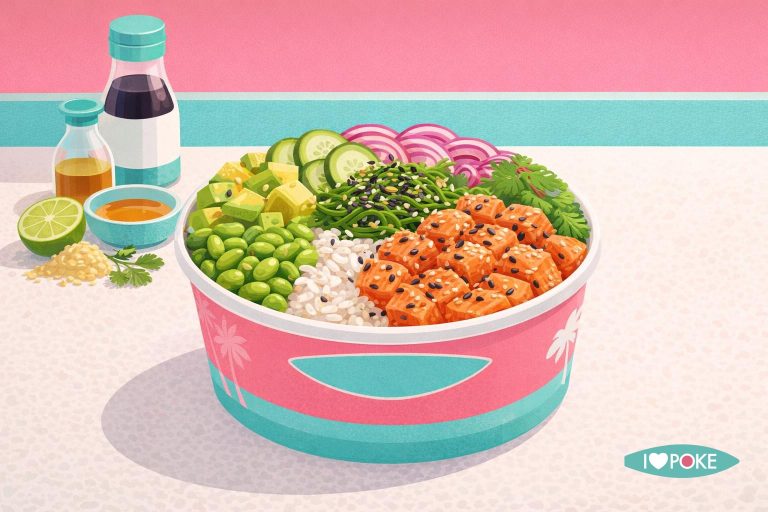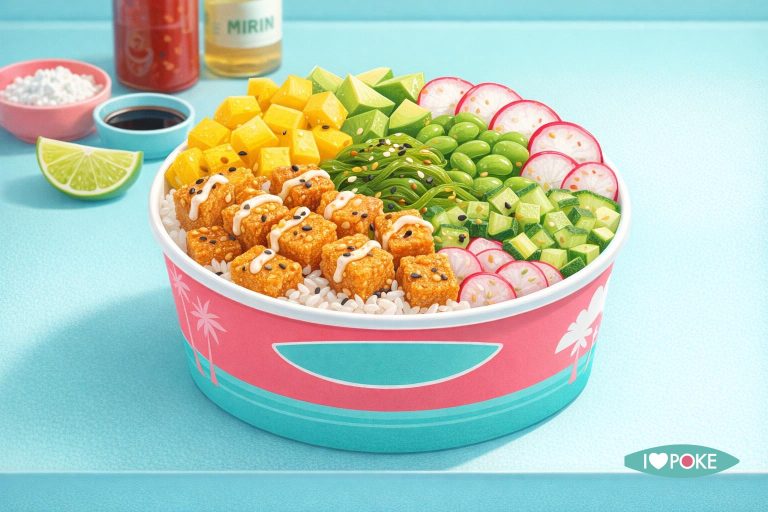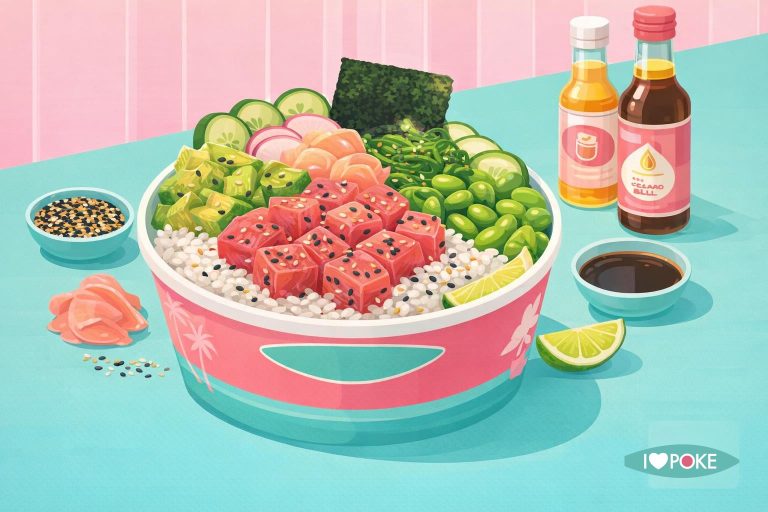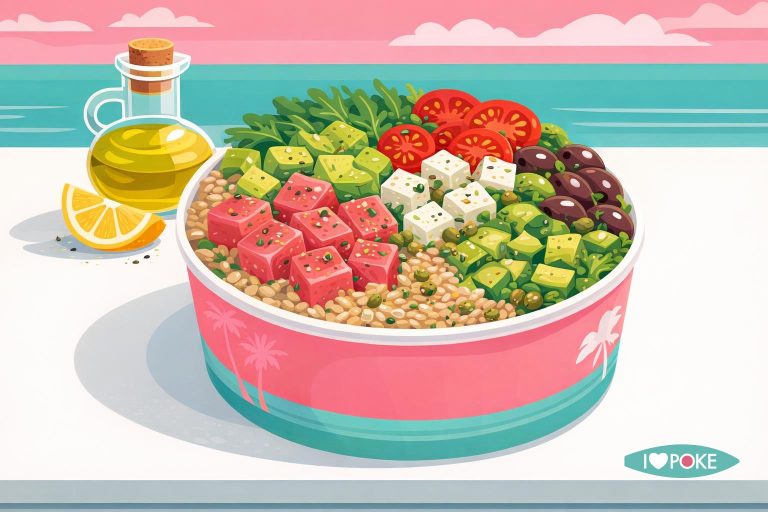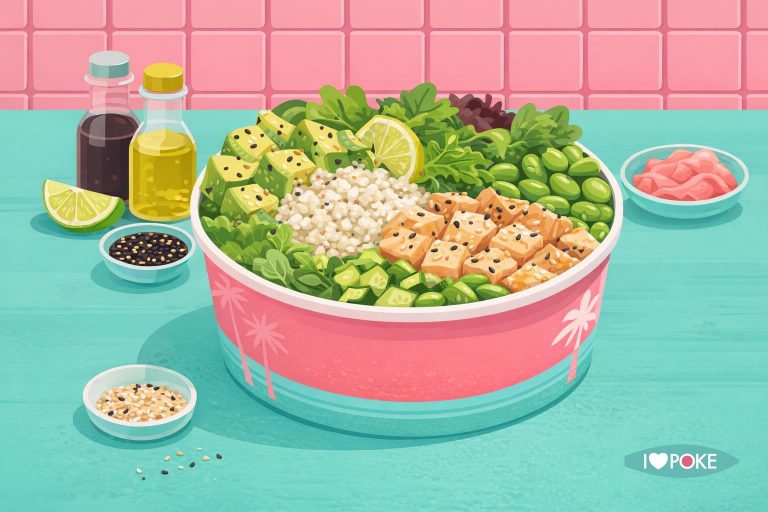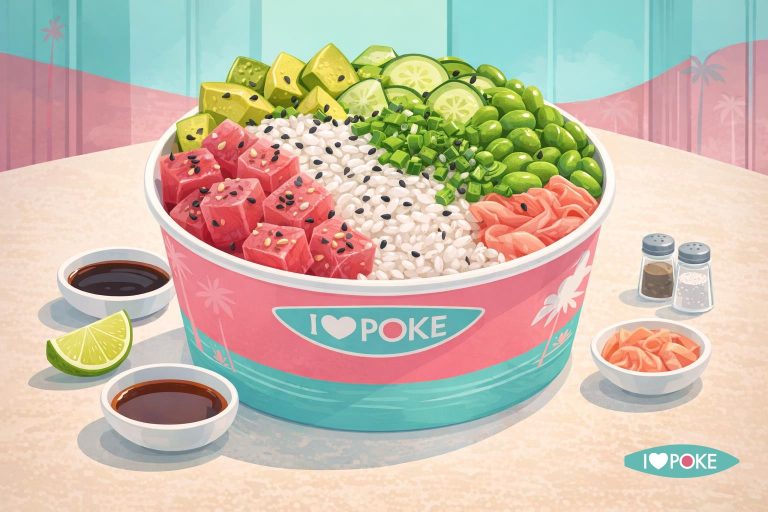
Edamame and poke bowl: why it is a perfect superfood for your composition

Among the ingredients that make a bowl fresh, colorful, and balanced, edamame has earned a special place. It is not just a now familiar presence in places dedicated to poke: its delicate taste, pleasant texture, and great versatility make it a perfect ally for those who love to create customized dishes. When talking about poke edamame, in fact, one immediately thinks of an ingredient capable of adding character without overpowering the other flavors.

In a well-made composition, every element counts: base, proteins, toppings, and dressing must interact with each other. Edamame fits into this balance naturally, bringing color and a vegetal note that pairs easily with many different ingredients. This is why it has become one of the most appreciated protagonists in the world of edamame poke bowl.

What edamame is and why it is so used in poke

Edamame is soy harvested when the pod is still green. The beans are generally served shelled or in their pod, but in bowls they mainly appear in the ready-to-add version alongside other ingredients. Their flavor is mild, slightly sweet, with a fresh note that integrates well both with more classic combinations and with more creative mixes.

In poke it is used because it manages to do a very simple but important thing: completes the bowl without weighing it down. It pairs well with the most common bases, interacts with crunchy and creamy ingredients, and helps create a harmonious result even when the composition is rich.

Another reason for its success is the ease with which it fits into different bowl styles. It can enhance an essential and fresh mix, but also accompany more intense combinations. For those who love to personalize, it is an interesting ingredient because it remains recognizable without becoming intrusive.

If you like to experiment at home, you can find ideas and pairings in the section Recipes, useful for getting inspiration and building always different bowls.

Edamame properties: taste, texture, and role in the bowl

When looking for information about edamame properties, people often focus only on the nutritional aspect. In reality, in a bowl the sensory contribution also matters a lot. Edamame works so well because it combines three qualities that make a difference in poke:

  • it has a delicate taste, so it pairs easily with different ingredients;
  • it offers a full but soft texture, useful for creating variety in each bite;
  • it adds visual balance, thanks to its bright green color.

In a well-composed bowl, the feeling of completeness depends not only on the quantity of ingredients but also on how they are distributed on the plate. Edamame contributes to this balance because it fills spaces well, mixes easily, and makes every forkful more varied.

Its role in satiety is often discussed as well, but without making specific claims, it can be said that it is one of those ingredients that help make the composition more satisfying in terms of the dish's structure. In other words, a bowl with edamame looks richer, more complete, and more satisfying overall.

For this reason, it is chosen both by those who prefer simple combinations and by those who like to build more complex bowls. It does not dominate, but supports the whole.

Poke edamame: which proteins and bases does it pair best with

One of the strengths of poke edamame is its incredible ease of pairing. Precisely because it has a delicate profile, it can accompany very different bases and proteins.

The best bases to enhance it

Edamame fits well in bowls built on bases with a neutral or fresh taste. It works particularly well when the base leaves room for the other ingredients and does not cover its vegetal note. In general, it is perfect in compositions where a balance between softness, crunchiness, and visual lightness is sought.

If you want to explore various combinations and understand how it is included in different proposals, you can take a look at Menu, , useful for orienting yourself among styles and pairings.

Proteins that create a harmonious pairing

Edamame pairs well with proteins with a clean flavor, but also with ingredients with a more pronounced personality, provided the dressing maintains balance. The best result is achieved when there is contrast between textures and continuity between flavors.

In practice, edamame is ideal when you want to:

  • soften saltier ingredients;
  • add a vegetal note to more intense proteins;
  • make the bowl's texture more varied;
  • create a visually richer composition.

Even in choice paths oriented towards a bowl with a more structured profile, it can have an interesting role. If you want to deepen this style of composition, the content Titolocorrelato:Pokeproteico can offer a useful insight.

Edamame poke bowl: practical ideas for a more complete composition

Creating a edamame poke bowl pleasant to eat means thinking not only about the individual ingredients but also about their dialogue on the plate. Edamame is perfect precisely because it helps build a more complete bowl simply.

Here are some practical ideas to include it well in the composition:

  • Use it as a balancing element: if you have chosen very flavorful ingredients, edamame can soften the whole.
  • Pair it with crunchy toppings: the contrast between textures makes the bowl more interesting.
  • Balance with fresh ingredients: in the more colorful compositions, its delicate taste ties the various elements together well.
  • Do not overload the dressing: overly intense seasonings risk covering its natural note.

Another interesting aspect is its ability to adapt to different bowls depending on the moment. It can be part of a simple and tasty lunch break, but also of a richer composition designed for those who love mixing multiple textures in the same dish.

From an experience point of view, edamame makes the bowl more dynamic. Each bite changes slightly, and this is one of the secrets of compositions that never get boring. It is precisely this versatility that makes it such a valued ingredient in the poke world.

If you love customizable bowls, edamame is one of those ingredients to always keep in mind: discreet, easy to pair, and able to enhance the whole naturally.

Why edamame remains a key ingredient in modern bowls

Edamame is liked because it perfectly interprets the style of a contemporary bowl: simple, versatile, and easy to combine. It doesn’t need special effects to stand out. It works because it adds value to the composition immediately, both in taste and in the overall balance of the dish.

In a context like poke, where variety and customization are central, ingredients like this really make a difference. They allow you to build a tailor-made bowl, with a fresh, neat, and pleasant result to eat from start to finish.

If you want to discover how edamame can fit into a composition designed with balance and taste, the easiest way is to start from the Menu and let yourself be inspired by the pairings.


FAQ

What is edamame in poke?

In poke, edamame is the green soybeans already prepared to add to the bowl. It is appreciated for its delicate taste, bright color, and soft texture that easily pairs with many ingredients.

Why is edamame so commonly used in poke bowls?

Because it is versatile and helps make the bowl more balanced. It pairs well with different bases, proteins, and toppings, adding variety without overpowering the other flavors.

What pairs best with the edamame poke bowl?

Edamame pairs well with bases that have a neutral or fresh taste, with proteins that have a clean flavor, and with crunchy toppings. It works best when the dressing is not too strong.

Do edamame properties only concern the nutritional aspect?

No, when talking about edamame properties in a bowl, the practical side also matters: delicate taste, pleasant texture, and the ability to harmonize with different ingredients.

When it comes to poke, tuna remains one of the most beloved choices. The reason is simple: it has a recognizable taste, a pleasant texture, and pairs very easily with fresh and colorful ingredients. In a well-constructed bowl, the tuna in the poke manages to find a natural balance between flavor, perceived lightness, and versatility, adapting both to those who prefer essential combinations and to those who love richer and more creative mixes.

The beauty of poke tuna is exactly this: it can have a delicate or more pronounced profile, depending on the chosen base, vegetables, toppings, and sauce. It is an ingredient that speaks the language of simplicity but leaves room for customization, one of the most appreciated aspects in the poke world.

Why tuna in poke is a classic choice

Tuna has become a great classic of poke bowls because it combines clean taste e ease of pairing. It does not overpower the other ingredients but accompanies them with balance. This makes it suitable for those looking for a fresh bowl, pleasant to eat and easy to customize according to their tastes.

Compared to other ingredients, the tuna poke bowl has a versatile personality: it can be the star in recipes with sharp flavors or fit into softer and rounder combinations. It is a choice that works well in every season and lends itself both to essential bowls and to richer versions with contrasts.

Among the reasons it is chosen so often are:

  • soft texture, yet pleasant to bite;
  • balanced flavor, never excessive if well paired;
  • great versatility with grains, vegetables, and toppings;
  • ease of customization according to the style of the bowl.

Those who love to explore new combinations can also take inspiration from the section Recipes, useful for understanding how to enhance different ingredients within a bowl with a harmonious taste.

Nutritional values of tuna poke and taste difference compared to salmon

When choosing between tuna and salmon, two aspects often come into play: general nutritional profile e palate yield. Without going into technical details or too rigid comparisons, it can be said that tuna is often perceived as more delicate and straightforward in taste, while salmon tends to have a fuller and more enveloping note.

From the point of view of nutritional values, the final result of the bowl always depends on the combination of ingredients: base, dressings, toppings, and quantities affect the overall balance. For this reason, when you want to have a broader idea of the composition of a bowl, it can be useful to also explore RelatedTitle:Nutritionalvaluesofapokebowl.

In terms of taste, here is a simple difference to remember:

  • the tuna in the poke tends to offer a more direct and clean flavor;
  • salmon often has a softer and more intense perception;
  • tuna pairs easily with crunchy ingredients and flavorful sauces;
  • salmon lends itself well to creamier or rounder combinations.

There is no absolute better choice: it depends on the result you want to achieve. If the goal is a fresh, balanced, and highly customizable bowl, tuna remains a beloved base precisely for its ability to adapt without losing identity.

Tuna poke bowl: pairings with avocado, cucumber, sesame, and sauces

One of the strengths of poke tuna is the ease with which it interacts with different ingredients. Some pairings have become true classics because they work both in terms of taste and texture.

Avocado: softness and gentle contrast

Avocado creates an interesting contrast with tuna: on one side the firmer texture of the fish, on the other a creamier component. The result is a bowl with a soft, pleasant, and harmonious profile. It is an ideal combination for those seeking a balanced ensemble, without overly aggressive flavors.

Cucumber: freshness and crunchiness

Cucumber adds a fresh and crunchy note that lightens the bite and makes the bowl more dynamic. In a tuna poke bowl, this ingredient helps to give rhythm to the tasting, especially when the base is softer or the sauce has a strong presence.

Sesame: an aromatic touch

Sesame is often chosen to complete the bowl with a discreet but recognizable aromatic note. It does not overpower but enriches. Together with tuna, it helps create a more complete flavor profile while maintaining the typical freshness of the dish.

Sauces: the detail that changes the character of the bowl

Sauces can make the tuna more delicate or more intense. A well-chosen sauce binds the ingredients and defines the final tone of the bowl. If you want a balanced result, the advice is to avoid overloading: with tuna, often a well-measured sauce is enough to enhance everything else.

In general, the most successful combinations focus on a balance between:

  • a soft component, like avocado;
  • a fresh and crunchy component, like cucumber;
  • an aromatic topping, like sesame;
  • a coherent sauce with the profile you want to achieve.

How to balance a tuna-based bowl

Building a bowl with tuna means working on simple but well-thought-out contrasts. The first step is to choose a base that leaves space for the fish without weighing down the final result. Then come the vegetables, toppings, and dressing, which should complement the tuna without overpowering it.

To achieve a pleasant and well-constructed bowl, it can be helpful to follow some practical criteria:

  • choose a neutral or balanced base, so the tuna remains well perceptible;
  • add at least one crunchy ingredient to give variety to the texture;
  • include a soft component to make the bite more harmonious;
  • use toppings sparingly, so each element maintains its role;
  • dose the sauce carefully so as not to cover the overall taste.

The secret is not to add a lot, but to choose well. A successful bowl does not depend on the number of ingredients, but on how they combine with each other. The tuna in the poke works best when it finds elements around it that naturally enhance it.

If you are considering different combinations, taking a look at the Menu can be a simple way to guide yourself through different styles, ingredients, and inspirations, always keeping taste at the center.

Another important aspect is customization. Tuna lends itself well to both essential bowls and richer versions, so you can create a mix that is fresher, more intense, or softer depending on the moment and personal preferences. If you want a straightforward result, focus on a few well-matched ingredients. If instead you are looking for a more multifaceted bowl, work on different textures without losing balance.

Simple ideas to best enjoy tuna in poke

Tuna is a choice that combines taste and practicality. It suits those who love fresh flavors, those who prefer essential combinations, and those who want a personalized bowl without sacrificing overall harmony. Its strength lies precisely in its ability to be recognizable but never rigid, classic but always open to new interpretations.

To discover inspirations, combinations, and proposals to start from, you can explore the Menu and find the bowl closest to your current tastes.


FAQ

What does the tuna taste like in the poke bowl?

Tuna in poke generally has a delicate but recognizable taste, with a pleasant and versatile texture. It pairs well with both fresh and crunchy ingredients and softer components.

What is the difference between tuna and salmon in a poke?

In a poke bowl, tuna is often perceived as more straightforward and clean in taste, while salmon tends to have a softer and more enveloping note. The choice mainly depends on the type of pairing you prefer.

Which ingredients pair best with tuna poke?

Among the most appreciated combinations are avocado, cucumber, sesame, and well-measured sauces. They work because they create a balance between softness, freshness, crunchiness, and aromatic intensity.

How do you balance a tuna poke bowl?

To balance a tuna-based bowl, it is useful to choose a balanced base, add a crunchy vegetable, a softer component, and a sauce that enhances the flavor without overpowering it.

Avocado is one of the ingredients most often associated with the idea of a poke bowl, and it’s not hard to understand why. It has a soft texture, a delicate taste, and a versatility that makes it easy to pair with different bases, proteins, and toppings. In a well-constructed bowl, the poke avocado adds balance, roundness, and a creamy note that ties the other flavors together without overpowering them.

In the world of customizable bowls, avocado is popular because it naturally fits into fresh and colorful combinations. Rice, fish, tofu, fruit, and crunchy vegetables find a simple but very effective meeting point in this ingredient. It is precisely this ability to harmonize different elements that makes it such a valued presence in the’avocado poke bowl.

Poke avocado: why it works so well in the bowl

When composing a poke, the goal is not just to put together good ingredients, but to create a mix that is pleasant at the first taste and balanced until the last bite. Avocado helps a lot in this sense because it works on multiple levels.

  • Texture: its creaminess pairs well with firmer or crunchier ingredients.
  • Delicate flavor: it doesn’t overwhelm the palate and leaves room for more intense notes.
  • Versatility: it adapts both to seafood combinations and vegetarian options.
  • Visual balance: its color makes the bowl even more inviting.

In a bowl with rice or other soft bases, avocado adds fullness. If cucumber, onion, edamame, or seeds are present, it creates a pleasant contrast with the crunchier elements. It is also one of those ingredients that help make the final result more homogeneous, especially when there are light sauces or dressings with a fresh profile.

For those who love to experiment, it can be interesting to observe how the perception of the bowl changes depending on the ripeness of the fruit: a firmer avocado maintains a more distinct presence, while a softer one tends to blend more with the rest of the ingredients.

Avocado: nutritional properties explained simply

When it comes to avocado nutritional properties, the topic is often addressed in an overly technical way. In reality, to understand why this ingredient is so appreciated, you just need to start from a simple idea: avocado is a fruit with a composition different from many other commonly consumed fruits, and it is precisely this peculiarity that makes it interesting in savory preparations like the poke bowl.

Its rich and velvety texture helps satisfy the palate and makes the perception of the dish more complete. Moreover, it easily fits into a varied dietary style because it can accompany fresh and light ingredients without seeming out of place.

Talking about avocado nutritional properties correctly also means avoiding excessive simplifications: there is no single ingredient that “does it all,” but there are well-thought-out combinations that make a dish more pleasant, balanced, and suitable for different tastes. In this sense, avocado is a very popular choice precisely because of its versatile profile.

If you want to get inspiration for new combinations to try at home, you can take a look at the section Recipes, useful for exploring fresh ideas and always different pairings.

Avocado poke bowl: pairings with salmon, tuna, tofu, and mango

One of the strengths of the’avocado poke bowl is the ease with which this ingredient pairs with very different flavors. The result changes a lot depending on the chosen protein and the presence of sweet, citrus, or crunchy elements.

With salmon

Avocado and salmon form one of the most appreciated pairs. The softness of one recalls that of the other, creating a full but fresh flavor base. To avoid a too uniform effect, ingredients that add contrast work well, such as cucumber, sesame, or a citrus note. If you are curious about bowls inspired by this pairing, you can learn more also on Relatedtitle:Pokesalmon.

With tuna

With tuna, avocado creates a different balance: the flavor remains delicate but with a more decisive and linear profile. In this case, ingredients like onion, seaweed, or toppings with a slightly livelier character can enhance it. The advantage of avocado is that it accompanies tuna without weighing down the whole.

With tofu

For those who prefer a bowl without fish, tofu is a very interesting pairing. Avocado adds softness and helps make the mix more enveloping. Together with crunchy vegetables, seeds, or fresh sauces, the result is simple but rich in nuances. It is a combination that leaves room for customization and adapts well to different tastes.

With mango

Mango and avocado play on a very pleasant contrast: on one side creaminess, on the other a juicier and sweeter note. This combination works well both with fish and vegetarian options, especially when the bowl contains fresher or slightly savory elements. Mango helps to give a boost to the taste, while avocado keeps everything harmonious.

In general, the best pairings are those where each ingredient has a clear role: one brings softness, one freshness, one crunchiness, one intensity. Avocado is often the connecting point that makes the mix smoother and more enjoyable.

How much avocado to use for taste and texture balance

In a poke bowl, the amount of avocado makes a difference. Too little risks going unnoticed; too much can make the result monotonous and cover the other components. Ideally, think of it as a balancing ingredient, not the sole protagonist of the dish.

To achieve a pleasant bowl, it is advisable to consider some aspects:

  • Type of protein: with delicate ingredients, an excessive amount of avocado can make the taste too uniform.
  • Presence of sauces: if the dressing is already creamy, better to keep a lighter measure.
  • Crunchy elements: if there are crunchy toppings or vegetables, avocado helps balance without removing dynamism.
  • Chosen base: with more neutral bases you can dare a bit more, as long as the mix remains harmonious.

A good rule is to distribute the avocado evenly in the bowl, so you find it in several bites and not all concentrated in one spot. The cut also matters: neat cubes give a more defined presence, while softer pieces blend better with the rest.

When it comes to poke avocado, the secret is often not to add more, but to find the right balance with the other ingredients. This is what makes the bowl truly enjoyable to eat, from start to finish.

Useful ideas to find your favorite combination

Avocado is one of those ingredients that lend themselves well to customization. It can make a bowl with fresh flavors rounder, soften a stronger mix, or create continuity between very different elements. For this reason, it is often a natural choice for those who want to build a simple, colorful, and well-balanced bowl.

If you like to vary between ingredients, bases, and toppings, exploring the Menu can be a good starting point to get inspired and understand which combinations come closest to your tastes.


FAQ

Why is avocado so commonly used in poke bowls?

Because it has a creamy texture, a delicate taste, and pairs easily with different ingredients such as fish, tofu, vegetables, and fruit. It helps make the bowl more harmonious without overpowering the other flavors.

Which ingredients pair best with avocado in poke?

Among the most appreciated pairings are salmon, tuna, tofu, and mango. It also works well with cucumber, edamame, seeds, and crunchy ingredients that create contrast with its softness.

How much avocado to put in a poke bowl?

It depends on the rest of the composition, but in general it is better to use it as a balancing ingredient. A well-measured amount enhances the bowl, while an excess can make the taste too uniform.

Is avocado also suitable for a vegetarian poke?

Yes, it is one of the most versatile ingredients even in vegetarian bowls. With tofu, fresh vegetables, and crunchy toppings, it helps create a pleasant and well-balanced combination.

The salmon poke it is one of the most loved combinations by those looking for a fresh, colorful dish that is easy to customize. The reason is simple: salmon has a soft, recognizable but never overpowering taste, and pairs naturally with rice, crunchy vegetables, fruit, and sauces with different characters. In a well-constructed bowl, it manages to create a balance between textures, aromas, and flavors, leaving room for more classic or more creative interpretations.

When it comes to salmon poke, Indeed, there is no single formula. Some prefer it simple, with a few well-chosen ingredients, while others like to compose a bowl rich in contrasts. In both cases, the quality of the raw material and the harmony of the combinations make the difference. For this reason, salmon remains a central presence in the poke world: versatile, pleasant, and perfect for a simple yet tasty consumption style.

Why salmon is among the most chosen proteins in poke

The success of salmon poke is born from the meeting of practicality and taste. Compared to other protein ingredients, salmon has a tender and pleasant texture that integrates well with the typical structure of the bowl. It does not overpower the other elements but enhances them, creating a harmonious whole.

Another important aspect is its great versatility. It lends itself to interpretations with a delicate or more pronounced profile, depending on the sauce, the chosen base, and the toppings. This makes it suitable both for those who like straightforward flavors and for those who prefer livelier combinations.

Among the reasons why salmon poke is so popular are also:

  • ease of pairing with sweet, savory, or citrus ingredients;
  • soft texture, which creates contrast with crunchy elements;
  • inviting appearance, perfect in a bowl rich in colors;
  • adaptability to fresh, light, or more intense flavor recipes.

Moreover, salmon is now perceived as an iconic ingredient of this dish. Those approaching poke for the first time often choose it as a starting point, while those already familiar with the bowl continue to prefer it for its reliability in terms of yield and taste.

Nutritional profile and taste characteristics of salmon poke

From a dietary point of view, salmon is considered a complete ingredient and appreciated for its presence in balanced and contemporary dishes. Without going into technical details or promises that depend on the specific preparation, it can be said that it is a very appreciated choice for those looking for a bowl with character, softness, and personality.

Its taste is recognizable but balanced. It has delicate, slightly buttery notes that make it particularly suitable to be paired with fresh and aromatic ingredients. In a bowl, this characteristic helps to build a pleasant and rounded final result, without excess.

The sensory qualities that make salmon so suitable for poke are mainly:

  • softness on the palate;
  • full but not aggressive taste;
  • excellent performance with fresh ingredients;
  • ability to bind well with sauces and dressings.

Naturally, the result can change depending on the processing, cut, and ingredients chosen in the bowl. If you want to explore ideas and inspirations to compose a balanced dish, you can take a look at the section Recipes, useful for discovering combinations and ideas to try.

Best pairings with bases, toppings, and sauces

One of the strengths of salmon poke is the ease with which it pairs with different elements. The key is to find the right balance between a neutral base, toppings that add texture, and a sauce capable of tying everything together without overpowering the main flavor.

Bases that enhance the salmon

The most suitable bases are those that accompany without weighing down. Rice remains a classic choice because it supports the softer component of the salmon well and creates an orderly structure in the bowl. A more vegetable-based base can also work well, especially if the goal is a fresher and more immediate result.

In general, the ideal bases are those that:

  • leave room for the taste of the salmon;
  • absorb the dressing well;
  • create contrast with crunchy or juicy toppings.

Toppings to try in a bowl with salmon

To build a salmon poke successful one, the toppings must bring variety. Crunchy ingredients are particularly effective because they balance the softness of the fish. Fresh vegetables, slightly acidic elements, and creamier notes can coexist very well, as long as the result remains harmonious.

Among the most appreciated pairings are:

  • fresh and crunchy vegetables;
  • ingredients with a slight citrus note;
  • creamy components in small amounts;
  • seeds or finishes that add texture.

Fruit can also be interesting, especially when it brings a delicate sweetness capable of creating contrast with saltier elements. The important thing is not to overload the bowl: salmon performs best when it remains the star.

The most suitable sauces for salmon poke

The sauce is the detail that can completely change the profile of the bowl. With salmon, dressings that add saltiness, freshness, or a slight spicy note, without covering the taste of the main ingredient, work well.

The most balanced options are often those that focus on:

  • delicately salty tones;
  • citrus or fresh nuances;
  • creamy but light consistencies in the final result;
  • small spicy accents, if well dosed.

If you want to explore different compositions and understand how a bowl is intuitively built, you can also consult the Menu, useful to guide you through styles and combinations.

When to choose fresh or smoked versions in a recipe

When preparing a poke, salmon can be interpreted in different ways. The choice between a fresh and a smoked version mainly depends on the result you want to achieve on the plate and the type of pairings you have in mind.

The fresh salmon is ideal when you want a bowl with a clean, delicate, and very balanced profile. It pairs well with vegetable ingredients, citrus notes, and sauces that focus on lightness of taste. It is often the most suitable choice when you want to enhance the most authentic and straightforward side of the poke.

The smoked salmon, on the other hand, brings a more decisive personality. Its aromatic note can be interesting in recipes with simple ingredients, precisely because it adds character even to essential combinations. In this case, it is advisable to balance with fresh and not too intense elements to avoid an unbalanced result.

Basically, you can orient yourself like this:

  • fresh version if you are looking for a more delicate and versatile bowl;
  • smoked version if you want a more marked and recognizable taste;
  • crunchy and fresh ingredients to balance both options;
  • well-dosed sauces to not cover the salmon's profile.

Much also depends on your personal style: some love an essential poke and others prefer a bowl richer in contrasts. If you want to start from a simple base and understand how to build the dish step by step, it can be useful to read How to Make Poke Salmon Easy Recipe.

Ideas to best enjoy salmon poke

The beauty of poke is that it can easily adapt to different moments and preferences. Salmon, in particular, lends itself to essential, colorful, more classic or more creative bowls, always maintaining a clear identity. For this reason, it remains one of the most appreciated choices by those who love fresh dishes, easy to customize and pleasant to share.

If you want to find new inspiration and discover other ways to compose a balanced and tasty bowl, the most natural starting point is to deepen ideas, combinations, and preparations dedicated to the poke world on the Recipes page.


FAQ

Which ingredients go best with salmon poke?

Salmon poke pairs well with bases that have a neutral taste, crunchy vegetables, fresh ingredients with a slight tangy note, and balanced sauces. The goal is to enhance the softness of the salmon without overpowering its flavor.

Is it better to use fresh or smoked salmon in poke?

It depends on the result you want to achieve. Fresh salmon offers a more delicate and versatile profile, while smoked salmon has a stronger and more aromatic taste. Both can work well if balanced with suitable toppings and dressings.

Is the salmon poke suitable for those looking for a simple bowl to customize?

Yes, because salmon is one of the most versatile ingredients in composing a bowl. It lends itself to essential or richer interpretations, leaving room for very different bases, toppings, and sauces.

How to make a salmon poke more balanced?

For a harmonious result, it is useful to combine a base that supports the dressing well, toppings with different textures, and a well-measured sauce. The contrast between softness, crunchiness, and freshness also helps to build a pleasant bowl.

When it comes to balanced one-dish meal, the idea is simple: to put together different ingredients in a single bowl, well distributed and pleasant to eat. This is where the ’Harvard plate model can become a practical reference even outside a theoretical context, especially if you apply it to a balanced poke bowl.

The poke, in fact, lends itself well to this approach because it is born as a customizable dish: you can start with a base, add a protein source, complete with vegetables, and include elements that give flavor, texture, and variety. The result does not have to be complicated or rigid. The goal is to create a harmonious, colorful combination that is easy to adapt to your own tastes.

In this guide, we see how to use the Harvard model intuitively to compose a complete bowl, without technicalities and with a concrete approach, suitable for everyday life.

Balanced one-dish meal: what it really means

A balanced one-dish meal it is a meal that brings together different components in a single preparation, thus offering a more complete and orderly structure. It does not mean weighing everything or following rigid rules: it rather means giving space to ingredient groups in a sensible way.

The ’harvard plate model is often represented as a visual division of the plate. The basic idea is very intuitive:

  • an important part dedicated to vegetables;
  • a portion for cereals or similar sources, which serve as the base;
  • a portion for proteins;
  • a measured presence of dressings and good fats, useful to complete flavor and texture.

Applied to a bowl, this scheme becomes even easier to read. Instead of thinking of the plate as a random collection of ingredients, you can build it with a simple order: base, protein part, vegetables, topping, and dressing. It is a practical way to make poke not only good but also well composed.

Harvard plate and balanced poke bowl: how to adapt the model

The strength of poke lies in its customisation. Precisely for this reason, it is perfect for interpreting the Harvard model in an everyday key. There is no need to replicate a scheme precisely to the millimeter: just use the principle of variety and proportion.

A balanced poke bowl can be built thinking of the bowl as a space to be filled with balance. The base occupies the bottom and provides structure. Proteins add character to the dish. Vegetables bring color, freshness, and different textures. The final elements, such as seeds, sauces, or creamy ingredients, serve to complete the whole without overloading it.

This approach is also useful when you want to order or get inspired by ready-made combinations. If you want to see how different proposals are organized, you can take a look at the Menu and observe how a bowl can be built in a varied but always readable way.

How to distribute base, proteins, vegetables, and good fats in a bowl

To compose a balanced one-dish meal in poke format, it can help to think in blocks. Not as a strict rule, but as a visual guide.

The base: the starting point of the bowl

The base is what supports everything else. In a poke, it can be more delicate or richer, depending on the style you want to give the dish. The important thing is that it does not take up all the available space: it should accompany, not cover the other ingredients.

If you want a more harmonious composition, try to consider the base as the foundation of the bowl, leaving enough space for the other elements. This way the final perception will be more varied and less monotonous.

The protein part: clear presence, without excess

The protein component gives identity to the poke. In a well-constructed bowl it should be recognizable, but not dominant to the point of overshadowing the rest. The beauty of poke is that you can place it centrally, still leaving room for fresh ingredients and toppings that create contrast.

In practice, the protein works well when it interacts with the base and does not overlap everything else. This way the bowl remains more balanced also in taste.

The vegetables: color, freshness, and variety

If there is one part that really makes the model of the’harvard plate in a poke readable, it is the vegetables. Here you can play with crunchy textures, juicier elements, fresh notes, and slightly savory or aromatic accents.

A bowl often becomes more interesting when the vegetables are not a marginal addition, but a well-present part of the composition. Besides the visual aspect, they help give rhythm to the bite and avoid a too uniform result.

Good fats and dressings: the final touch

In a balanced poke bowl, good fats and dressings play an important role, but should be thought of as finishing touches. They are what bind the ingredients, add roundness, and make the dish more satisfying from a taste perspective.

The simplest advice is not to combine too many rich elements all at once. Better to choose a few well-calibrated touches, so the bowl maintains a clear structure and each ingredient remains recognizable.

Practical examples to compose a balanced poke bowl

To move from theory to practice, it can be useful to imagine some composition logics. These are not fixed recipes, but examples of visual and taste balance.

  • Fresh and linear version: a well-measured base, a protein that is prominent but not overwhelming, two or three vegetables with different textures, and an essential final dressing.
  • Richer contrast version: soft base, protein part with a strong taste, crunchy vegetables, and a topping that adds a creamy or crispy note.
  • Colorful and versatile version: a bowl built with more tones and textures, where each ingredient has its space and none prevails excessively.

If you want to use the Harvard model simply, you can ask yourself these questions before finishing the composition:

  • does the base leave room for the other ingredients?
  • is the protein part present but not dominant?
  • are the vegetables varied enough?
  • does the dressing complement or cover everything?

These small checks help to build a neater bowl, pleasant to look at and more interesting to eat. And above all, they make the concept of balanced one-dish meal much more concrete in real life.

From the Harvard model to ideas to try every day

One of the most interesting aspects of poke is that it allows you to change often without losing balance. You can vary the base, choose a different protein, alternate vegetables and toppings, and find always new combinations. This makes the bowl format suitable for those looking for a practical but not repetitive meal.

If you love experimenting, it can be useful to also observe new combinations and ideas to reinterpret at home or use as inspiration for your next order. In the section Recipes you can find useful ideas to explore pairings, textures, and different ways to build a bowl with ease.

In the end, the Harvard model is not a rigid formula: it is a visual way to better compose what you eat. And poke, with its fresh, varied, and customizable nature, is one of the most intuitive formats to put it into practice.

If you want to take inspiration from combinations already thought out clearly and tasty, the easiest way is to start from the menu: you can explore different bowls and find the right inspiration for your next balanced one-dish meal.


FAQ

What is a balanced one-dish meal?

It is a meal harmoniously built within a single plate or bowl, with a good presence of base, proteins, vegetables, and well-measured seasonings.

How is the Harvard plate applied to a poke bowl?

You can use it as a visual guide: an important part of the bowl is dedicated to vegetables, one part to the base, one to the protein component, and a small portion to the dressings or elements that complete the dish.

Can a poke bowl be considered a complete meal?

Yes, if it is composed with balance among the different ingredients. The structure of the poke lends itself well to becoming a complete dish because it combines base, proteins, vegetables, and toppings in a single preparation.

How to make a balanced poke bowl without complicating things?

The easiest way is to think of the bowl in blocks: a moderate base, a well-present protein, various vegetables, and a few carefully chosen finishing elements, to maintain variety and clarity.

Creating a bowl that is good to eat and easy to balance doesn't mean doing complicated calculations. When we talk about macro balanced poke, the idea is very practical: to create a harmonious combination between base, protein source, and topping, so as to obtain a varied, satisfying bowl suitable for different times of the day.

The poke was born as a versatile format, and it is precisely this flexibility that makes it interesting for those who want to pay attention to the composition of the dish without giving up taste. A balanced poke bowl can be customized in many ways, starting from fresh ingredients and combinations that are easy to understand even without a technical approach.

If you want to get inspiration for different combinations, you can take a look at the Menu and see how the bowls change based on the chosen ingredients.

Macro poke bowl: what it really means in a simple way

The word “macro” is often used a bit hastily, but the basic concept is intuitive. In a bowl, macros are the main elements that build the dish:

  • the base, which gives structure and volume;
  • the proteins, which represent the heart of the composition;
  • the toppings, which add variety, textures, and flavor;
  • the dressings, which complete the whole.

Talking about macro poke bowl does not mean turning lunch into a formula. It rather means understanding how each choice influences the final result. A richer or lighter base changes the perception of the bowl; a protein with a delicate or strong taste directs the entire flavor profile of the dish; crunchy, creamy, or fresh toppings can make the experience more essential or more complete.

The point is not to look for the “perfect” bowl in absolute terms, but to find a balance that makes sense for you. In this format, customization is a concrete advantage: you can build a more straightforward, fresher, or more substantial bowl always starting from the same three pillars.

Poke balanced macros: how base, proteins, and toppings change

A well-built bowl almost always starts from a simple question: what kind of meal do you want to get? From here, the visual proportions and the role of the individual ingredients change.

The base: the starting point of the bowl

The base is the element that defines the character of the dish. In a more classic composition, it creates continuity and makes the bowl more enveloping. In a fresher version, it can leave more space for toppings and proteins. There is no choice valid for everyone: what matters is the result you want to achieve in terms of taste, texture, and overall sensation.

For a balanced effect, the base should support the rest without covering it. If it is too dominant, it risks flattening the contrasts; if it is too reduced, the bowl may seem less harmonious. The secret is to think of the base as a background: it must be there, but it must enhance what comes on top.

Proteins: the center of the composition

The protein part is often the one that guides the choice of the bowl. It changes the taste, changes the texture, and also changes the way the toppings combine. In a balanced poke bowl, the protein should not seem like a random addition, but the true element around which the rest revolves.

For this reason, it is useful to ask yourself if you want a more delicate, more decisive, or more essential result. A protein with a clean flavor lends itself well to fresh toppings and light dressings; a more intense one can work better with crunchy elements or with creamier notes.

Toppings: variety, color, and rhythm

Toppings make the difference between a simply composed bowl and a bowl truly enjoyable to eat. You don't need many ingredients: you need a sensible choice. The ideal is to combine elements that bring contrast and continuity together.

A good mix can include:

  • a fresh component;
  • a crunchy component;
  • a softer or creamier note;
  • an aromatic detail that closes the dish.

When all the toppings go in the same direction, the bowl risks becoming monotonous. When there is variety, each bite appears more complete and natural.

How the balanced poke bowl changes with different goals

The same bowl can be interpreted in different ways depending on the moment. Some look for a complete lunch, some prefer a more essential combination, some want to give more space to the protein part. In all cases, the principle remains the same: balance without complicating.

When you seek balance

If the goal is a versatile bowl, the simplest way is to distribute the roles well. A present but not excessive base, a well-recognizable protein, toppings chosen with criteria, and a dressing that accompanies without overpowering. It is the most transversal solution, suitable for those who want a complete and easy-to-appreciate bowl.

When you prefer lightness

In this case, it is advisable to aim for a fresher composition, with toppings that give liveliness and a less heavy structure. The final sensation should be clean, dynamic, pleasant to eat even when you want something simple. Lightness, however, does not mean an empty bowl: it means choosing more carefully what to put in and what to leave out.

When you want a more protein-rich profile

Those who want a bowl focused more on the protein part can build the dish by revolving everything around that element. In this case, the base and toppings have the role of accompanying, not competing. The whole should remain orderly, with a few well-matched elements instead of many disconnected additions.

Three practical models of macro poke bowl

To better visualize the composition, it can be useful to think in simple models. These are not strict rules, but practical schemes to start from.

1. Balance model

This is the easiest bowl to manage every day. The base has a clear role, the protein is central, the toppings complete without overcrowding. The result is orderly, varied, and suitable for those looking for a complete but immediate solution.

2. Lightness model

Here the idea is to leave more space for freshness. The toppings become fundamental to give rhythm and color, while the base remains more discreet. It is a useful approach when you want a bowl with a lighter profile, without giving up taste.

3. Protein model

In this setting, the protein is the focus. The base accompanies, the toppings support, and the dressing must be consistent with the rest. It works well when you want a bowl that is more essential in structure but well defined in flavors.

Common mistakes in composing a balanced macro bowl

Even in a simple format like poke, there are some recurring mistakes that can make the dish less harmonious.

  • Overloading the bowl: adding many elements does not always improve the result. Often it only creates confusion.
  • Neglecting texture: if everything is soft or everything is crunchy, there is no contrast.
  • Choosing disconnected ingredients: every element should interact with the others, not stand alone.
  • Using the dressing as a fix: the dressing completes, but does not solve a poorly balanced composition.
  • Not starting from the idea of a bowl: before choosing the ingredients, it is better to have in mind the type of experience you want to achieve.

A good method is to maintain a clear logic: a base that supports, a protein that leads, toppings that give personality. Everything else comes after.

To explore the topic more broadly, you can also read RelatedTitle:Nutritionalvaluesofapokebowl. If you love experimenting with different combinations and inspirations, in the section Recipes you can find other useful ideas.

A simple way to build your bowl

If you want to better navigate bases, proteins, and toppings, the most practical way is to start with a clear structure and then customize it according to your tastes. To see how all this translates into real combinations, you can explore the Menu and get inspiration from a composition that truly resembles you.


FAQ

What does balanced macro poke mean?

It means composing the bowl harmoniously between base, proteins, toppings, and dressing, without overly technical approaches. The goal is to create a coherent, varied, and enjoyable dish to eat.

How do you build a balanced poke bowl?

Usually you start with a base, choose a protein source as the central element, and complete the flavors with toppings and dressing. The key is to avoid excess and maintain a good balance between textures and taste.

Are toppings really important in a macro poke bowl?

Yes, because they give variety, contrast, and personality to the bowl. Even a few toppings, if well chosen, can make the dish more complete and harmonious.

Is there only one way to make a balanced bowl?

No, a balanced bowl can change based on personal tastes and the time of day. You can focus on balance, freshness, or a composition more centered on the protein part.

When it comes to protein poke, the idea is not to complicate the bowl, but to build it with balance and taste. A composition richer in protein can be a practical choice at different times of the day: at lunch, after physical activity, or simply when you want a complete, fresh, and satisfying meal. The beauty of poke, in this sense, is its customizable nature: base, proteins, vegetables, and toppings can be combined simply, creating a protein bowl suited to your tastes.

In a lifestyle context such as a dynamic lunch break or a light but satisfying dinner, the fit poke is often appreciated precisely for its versatility. There is no single formula valid for everyone: what matters is the quality of the ingredients, the harmony between textures, and the ability to compose a bowl that is pleasant to eat as well as well balanced.

When to choose a protein poke in your daily routine

A bowl with a more pronounced protein component can make sense at different times, without needing to turn the meal into something rigid or monotonous. For example, it can be a good idea when looking for a lunch that remains pleasant and practical, or when you want to organize a post-workout meal with fresh and easy-to-combine ingredients.

The difference is mainly made by the overall composition. A protein bowl works well when each element has a role:

  • the base gives structure to the dish;
  • the protein source defines the character of the bowl;
  • vegetables and toppings add variety, crunchiness, and freshness;
  • the sauce binds the flavors without overpowering them.

If you want to take inspiration from already thought-out combinations or better understand how to customize your order, you can take a look at the Menu, useful for navigating different bowl styles.

Main proteins and best pairings for a fit poke

The heart of a protein poke is naturally the choice of the main protein. Here the point is not just to “add more,” but to pair it correctly with the other ingredients, so as to obtain a harmonious and never heavy bowl.

How to choose the protein based on the result you want to achieve

If you prefer a milder taste, you can opt for ingredients that pair well with simple bases and crunchy vegetables. If instead you are looking for a bowl with a stronger flavor, combinations with creamy toppings, toasted notes, or slightly citrusy contrasts work better.

In general, to build a balanced bowl it is advisable to follow a simple logic:

  • proteins with a delicate taste: go well with fresh ingredients and light sauces;
  • proteins with a more intense flavor: perform better with neutral bases and toppings that add contrast;
  • mixed combinations: ideal for those who seek more variety in the same bowl.

Combinations that really work

For a fit poke well-built, some pairings are particularly pleasant. A soft protein pairs well with crunchy elements like fresh vegetables and seeds, while a more flavorful component can be balanced by creamy ingredients or a more basic base. The perceived temperature also matters: fresh ingredients, different textures, and a well-measured sauce make the dish more interesting at first bite and more satisfying until the last mouthful.

If you want to delve deeper into the topic of bowl composition, it can be useful to also read RelatedTitle:Nutritionalvaluesofapokebowl. For specific details on ingredients, always check the product sheet.

Toppings useful for giving more structure to a protein bowl

In a high-protein bowl, toppings are not a secondary addition. On the contrary, they can make a difference in terms of texture, balance, and overall enjoyment. A protein bowl well-made does not rely on a single element but works on multiple levels: soft, crunchy, fresh, creamy.

Among the most useful toppings are those that help make the dish more complete from a sensory point of view:

  • seeds and crunchy components, to add texture;
  • fresh vegetables, per alleggerire e dare contrasto;
  • creamy ingredients, to lighten and add contrast;
  • elementi aromatici, to better bind the flavors;.

aromatic elements.

, to add personality without weighing down.

When looking for inspiration, it can be helpful to think in terms of use occasions. A protein poke designed for everyday lunch will not necessarily be the same as a bowl chosen after a workout or on a particularly active day.

Idea for a practical and balanced lunch

For lunch breaks, a bowl with a simple base, a clean-tasting protein, fresh vegetables, and one or two crunchy toppings often works well. The result is a straightforward meal, easy to enjoy and suitable for those looking for a complete solution without giving up the lightness of the poke format.

In this case, the keyword is balance: too many elements risk weighing down the experience, while a well-balanced composition keeps the dish pleasant and orderly in flavors.

Idea for a post-workout bowl

After physical activity, many people prefer a fit poke with a more prominent protein presence, accompanied by a base that provides structure and toppings that add variety. Here too, there is no need to complicate the recipe: just a few well-chosen ingredients, with different textures and flavors that remain fresh and clean.

A good rule is to start with a main protein, add a base consistent with your taste, complete with crunchy vegetables, and finish with a topping or sauce that adds character. If you are looking for other ideas to start from, in the section Recipes you can find useful suggestions to imagine new combinations.

How to compose a high protein bowl without sacrificing taste

A truly successful high protein bowl is not only recognized by the amount of protein ingredients but by the fact that each component interacts with the others. Taste remains central: freshness, variety, and simplicity are what make the poke format so loved and so easy to customize.

To achieve a convincing result, it can be helpful to keep some practical guidelines in mind:

  • choose only one flavor direction, instead of mixing too many different tastes;
  • balance soft and crunchy, for a more satisfying bowl;
  • use toppings wisely, to enhance the main protein;
  • keep the composition readable, with few well-matched ingredients.

The advantage of a protein bowl is precisely this: it can be essential or richer, but always built around your preferences. And when the ingredients are carefully chosen, the result is a bowl that combines practicality, customization, and the pleasure of eating something fresh and well made.

If you want to find inspiration for your next bowl and understand which combinations best suit your style, explore the Menu can be a great starting point to more easily choose between bases, ingredients, and combinations.


FAQ

What is a protein poke?

A protein poke is a bowl built by giving more space to the protein component, without giving up the base, vegetables, toppings, and well-matched sauce. The goal is to create a complete, fresh, and enjoyable meal.

What is the difference between poke fit and protein bowl?

In common language, poke fit and protein bowl are often used similarly. Generally, the first evokes an idea of a fresh and balanced meal, while the second emphasizes the more pronounced presence of protein ingredients.

How well does the protein pair in a poke bowl?

For a good pairing, it is advisable to consider taste and texture: more delicate proteins go well with fresh and crunchy ingredients, while stronger flavors work better with neutral bases and toppings that create contrast.

Which toppings to choose for a high protein bowl?

The most useful toppings are those that add crunchiness, freshness, or creaminess, keeping the bowl balanced. Seeds, fresh vegetables, and aromatic elements can help make the dish more varied and enjoyable.

Is a protein bowl also good for lunch?

Yes, a protein bowl can be a practical choice even for lunch, especially if composed in a balanced way. Customization allows it to be easily adapted to the time of day and personal preferences.

When it comes to low calorie poke, the point is not to give up the pleasure of a colorful and satisfying bowl. The idea, rather, is to choose the combination of ingredients more carefully, so as to achieve a balanced, fresh, and enjoyable result to eat at any time of the day.

A lighter bowl doesn’t have to be sad or unsatisfying. On the contrary, often it’s enough to work on the base, proteins, vegetables, extras, and dressings to create a mix with full flavor but more essential. The strength of poke, after all, is precisely this: customisation, variety and freedom to build your own balance.

If you want to explore all the available options, you can take a look at the Menu and compare the ingredients based on your tastes.

What does it really mean to choose a low calorie poke bowl

Talking about a light bowl realistically means avoiding simplifications. There is no single “right” or “wrong” ingredient: what matters most is the overall composition. A low calorie poke bowl tends to have a more essential structure, with fresh ingredients, well-balanced portions, and fewer very rich elements concentrated in the same dish.

In practice, a lighter bowl usually follows this logic:

  • not excessive base, chosen carefully;
  • a protein source well integrated into the mix;
  • lots of vegetables to give volume, texture, and color;
  • few extras, really selected for taste;
  • measured sauce, without covering everything else.

This approach helps to build a light poke without turning it into a flat or monotonous dish. The secret is to focus on the quality of combinations, not on total subtraction.

Which ingredients help create a light poke

To truly lighten the composition, it is best to start with elements that provide freshness and make the bowl airier. Vegetables play a central role: they add crunch, color, and variety, making the dish feel rich even when the structure is simple.

Another important step is choosing the base. If the goal is a lighter bowl, it can be useful to opt for a smaller quantity or less dense combinations, always checking the options available in the product sheet.

The protein component should also be chosen consistently. It is better to avoid combining too many different sources in the same bowl: a single well-paired protein is often more than enough to achieve taste and harmony.

Elements that make the bowl fresher and more balanced

When you want to compose a poke with a lighter profile, the following generally work well:

  • crunchy vegetables and plant-based ingredients with a clean flavor;
  • simple pairings, without too many layers;
  • natural contrasts between fresh, acidic, and savory notes;
  • a sauce used to complement, not to dominate.

The result is a bowl that maintains personality and flavor, but with a more straightforward overall sensation. This is often the true meaning of low calorie poke: not a “reduced” version, but a smarter composition.

Which extras and sauces can weigh down the bowl the most

If there is one point where a bowl can change a lot, it is with the extras. Often you start with a balanced base and then add several toppings all at once: crunchy ingredients, creamy components, abundant sauces. The result can become more intense, but also less light than initially imagined.

For this reason, if you are looking for a low calorie poke bowl, it is advisable to pay particular attention to:

  • multiple extras chosen just out of habit;
  • crunchy elements added in generous amounts;
  • creamy ingredients combined together;
  • rich sauces or very present in the final mix.

It doesn't mean always eliminating them. It means using them with more intention. A single well-chosen extra can give character to the bowl without making it too heavy. The same goes for the dressing: better a measured presence, capable of tying the flavors together without covering them up.

If you want to explore the topic from another perspective, you can also read RelatedTitle:Caloriespokebowl.

3 practical combinations for a low-calorie poke with full flavor

Understanding the theory is useful, but seeing some concrete examples is even more so. Here are three simple ways to imagine a lighter bowl, always with a realistic and tasty approach.

1. Fresh and straightforward bowl

This combination focuses on an essential base, a single protein, and a generous presence of plant-based ingredients. The final taste is clean, with fresh notes and varied texture. It is the ideal choice for those looking for a light poke to eat easily, without giving up the feeling of completeness.

2. Crunchy but balanced bowl

Here the focus is on the contrast between soft and crunchy, but avoiding adding too many toppings. You can play with different vegetables and include only one carefully chosen extra. The sauce, in this case, should remain discreet: just a little is enough to give character without weighing it down.

3. Bowl with a strong but essential taste

A light bowl doesn't necessarily have to have a delicate flavor. You can achieve a stronger profile by working with ingredients with personality and well-dosed savory or acidic accents. The important thing is to keep the structure clean: few elements, well recognizable, that together create a low calorie poke bowl pleasant and satisfying.

How to choose a lighter bowl without losing flavor

If you want to better orient yourself when choosing, you can follow a very simple rule: start with the essentials and add only what is really needed. This method helps avoid overly complex bowls and better highlights each ingredient.

A practical way to do this is this:

  • choose a base wisely, without overdoing the layering;
  • select only one main protein;
  • fill the bowl with fresh ingredients and vegetables;
  • limit extras to one, maximum two, if really consistent;
  • use the sauce as a finishing touch, not as the dominant element.

This way the flavor remains the protagonist, but the composition appears cleaner. And this is exactly where a good idea of light pokeis born: a bowl built with intention, where every choice makes sense.

A simple choice for those looking for a low-calorie bowl

Choosing a lighter poke doesn't mean following strict rules, but learning to better understand the composition of the dish. With fresh ingredients, well-thought-out combinations, and some attention to extras and sauces, it is possible to find a combination suited to your tastes and your moment.

If you want to compose your bowl in a practical and personalized way, you can start from Order Now and check the options available on the product page.


FAQ

What is meant by low-calorie poke?

It generally refers to a bowl composed in a more essential and balanced way, with attention to the base, the amount of extras, and the type of sauce chosen. It does not depend on a single ingredient, but on the whole.

How can I make a poke bowl lighter?

You can start with a simple structure: a well-chosen base, a single protein, lots of vegetables, few extras, and a measured dressing. This helps to maintain the flavor without making the bowl too heavy.

Do sauces have a big impact on the composition of a bowl?

Yes, they are often one of the elements that change the final result the most. For a lighter bowl, it is advisable to use them as a complement, without exceeding the quantity.

Can a light poke still be tasty?

Absolutely yes. Taste does not depend only on rich ingredients or many toppings, but also on the balance between textures, freshness, and well-thought-out combinations.

Finding the right balance between the pace of the day and food choices is not always easy. Between meetings, travel, and shortened breaks, the risk is turning lunch into a rushed, unsatisfying, or repetitive moment. Yet, when we talk about healthy eating lunch, practicality matters as much as taste: you need something quick, but also pleasant to eat and easy to adapt to your preferences.

In this scenario, poke naturally fits as a contemporary idea for a healthy lunch away from home or to enjoy simply during the break. The reason is intuitive: a bowl allows you to combine different ingredients in a single dish, with a flexible, neat, and customizable formula. It’s not just a lifestyle trend, but a concrete solution for those looking for healthy fast food without giving up variety.

For those who want to better navigate daily habits and practical choices, it can be useful to also take a look at the section Menu, to understand which combinations best suit their lunch break.

Healthy eating at lunch: the difficulty of eating well when you have little time

Lunch is often the meal most exposed to unforeseen events. You eat between commitments, maybe away from home, with little time to choose and even less to really stop. This is exactly where the problem arises: speed becomes the primary criterion, while variety and simplicity take a back seat.

When the break is short, many people end up choosing the same options, or something practical but not very satisfying. On the contrary, an idea of healthy lunch should be able to meet multiple needs:

  • speed in choice and consumption;
  • convenience for those eating at the office, university, or on the go;
  • variety to avoid monotony;
  • possibility to customize the dish according to personal tastes.

In this sense, poke responds well to a dynamic lifestyle. The bowl is easy to handle, intuitive in composition, and suitable for those who want a practical meal without the idea of a last-minute improvised lunch.

Why poke is a practical choice for a healthy lunch

One of the reasons why poke is increasingly chosen for lunch breaks is its simple structure. Everything is gathered in a single bowl, with ingredients that coexist in an orderly way and make the meal easy to read, choose, and enjoy.

Practicality, however, does not only concern the format. It also matters that you can build a lunch in a more personal way compared to other quick alternatives. Poke, in fact, adapts to different needs without becoming complicated.

A bowl that adapts to personal tastes

Not everyone looks for the same experience at lunch. Some prefer milder flavors, some love fresher notes, some seek different textures, and some want to change often. The strength of poke lies precisely here: it offers freedom of choice while maintaining a clear and easy-to-compose structure.

This flexibility is also interesting for those who want to avoid the feeling of always eating the same thing. Changing the base, ingredients, and dressings allows you to make lunch more varied during the week, with a simple and accessible approach.

A convenient format for the everyday break

When it comes to healthy fast food, the format makes the difference. A bowl is practical to consume in many contexts: at the office, during a break between errands, or in a moment of relaxation outdoors. It does not require complex preparation and fits well into a daily routine made of quick times.

Moreover, poke has a lifestyle side that appeals because it combines immediacy and taste. It is not a “fallback” lunch, but a choice that can become part of a more pleasant and conscious habit.

How to compose a more balanced bowl for the lunch break

Talking about healthy eating lunch does not mean looking for rigid formulas. More simply, it can mean building a meal that is complete, enjoyable, and suitable for the time of day. Poke helps precisely with this, because it allows you to easily visualize the composition of the dish.

For a bowl suitable for the lunch break, it can be useful to think in terms of elements:

  • a base, that give structure to the dish;
  • main ingredients, chosen according to your own tastes;
  • vegetables and fresh components, to add color and variety;
  • toppings and dressing, to be dosed consistently with the desired result.

The idea is not to chase the perfect bowl, but to find a combination that makes lunch feel simple to manage and at the same time satisfying. Personalization, in this sense, is a concrete advantage: it allows you to create a solution more in line with your own style and the type of day you are facing.

Those who are often away from home can also evaluate in advance the most convenient solution based on their movements, consulting the page Where We Are to navigate more easily.

Variety and simplicity: two aspects not to be underestimated

A lunch works better when it is neither too complicated nor too monotonous. On one hand, a bowl that is too rich in elements risks becoming dispersive; on the other, a combination that is too essential can become uninteresting over time.

The point is to find a balance between variety, taste, and practicality. Choosing ingredients that pair well together, without overloading the dish, helps make poke a suitable solution for everyday life. It is precisely this well-constructed simplicity that makes it a convincing choice for those looking for a quick but not trivial lunch.

Common mistakes to avoid when choosing a quick lunch

Even with good intentions, it happens to turn the lunch break into an unconsidered choice. Not for lack of attention, but because time is short and decisions are made automatically. Some mistakes are very common and recognizing them can help make lunch feel lighter.

Choosing only based on haste

Speed is important, but it should not be the only criterion. A lunch chosen just because it is immediate risks being unsatisfying. The advantage of poke is that it combines speed and choice, without forcing you to give up variety.

Always repeating the same combination

Having a preference is normal, but always eating the same way can make the break less enjoyable. One of the most interesting qualities of poke is the ability to easily change combinations, keeping a familiar format but with different flavors.

Overdoing it with additions and dressings

Customization is a strength, but it works better when it remains harmonious. Too many additions risk making the dish less clear and less in line with the idea of a practical lunch. It is better to aim for a clear composition, with ingredients that complement each other well.

Poke in the daily routine: a simple and tasty choice

Including a poke in your week can be a concrete way to make lunch more manageable. There is no need to radically change habits: sometimes it is enough to find an option that simplifies the break without making it anonymous.

This is why poke appeals to those with busy days who do not want to give up a moment of taste. The bowl is practical, customizable, and consistent with a dynamic lifestyle. Moreover, it enhances increasingly appreciated aspects such as freshness, variety, and freedom of choice, in line with a contemporary and accessible idea of lunch break.

If you want to make the break easier with a practical and customizable solution, you can explore the options available on Order Now and calmly choose the bowl that best suits your lunch moment.


FAQ

Why is poke suitable for lunch break?

Because it combines practicality and customization in a single format. The bowl is easy to handle, quick to choose, and allows you to combine different ingredients based on your tastes and the time available.

Can poke be part of a healthy lunch diet?

It can be an interesting choice for those looking for variety, simplicity, and a practical format during the break. The possibility to customize the bowl helps create a lunch more suited to one's preferences.

How to avoid mistakes when choosing a quick lunch?

It can be helpful not to decide solely based on haste, to avoid always the same combinations, and not to overdo additions and seasonings. A simple dish, well constructed and pleasant to eat, makes the break more satisfying.

What makes poke different from other fast options?

Poke stands out for its flexibility. In a single bowl, it brings together different ingredients, offers freedom of choice, and adapts well to a dynamic routine, without sacrificing taste and variety.

When talking about lunch or dinner on the go, the comparison between poke vs fast food arises almost spontaneously. Both respond to a very concrete need: to eat quickly, without complicating the day. But the experience they offer can be very different, especially for those looking for a healthy fast food that is also pleasant, customizable, and suitable for different tastes.

In recent years, the bowl has carved out a specific space in urban habits: practical, colorful, easy to assemble. It is not just a trend, but a format that appeals to those who want more freedom in choosing ingredients and a meal built in a simple way. In this sense, the world poke healthy food is often perceived as a more balanced alternative compared to traditional fast food, without giving up convenience.

To better orient yourself, it is worth taking a closer look at differences, strengths, and situations in which a bowl can be more in line with daily preferences.

Poke vs fast food: differences between consumption experience and meal composition

Classic fast food is designed to be immediate, recognizable, and standardized. This very characteristic makes it practical: you already know what to expect, both in flavors and format. On the other hand, the poke bowl offers a more flexible experience, where the composition of the dish plays a central role.

In the comparison poke vs fast food, one of the most evident aspects is the perception of the meal. With a bowl, you often have the idea of a dish more built around your own tastes, with visible ingredients and combinations that can be adjusted with greater freedom. It is not just a matter of style: for many people, being able to choose the base, components, and toppings intuitively matters.

The visual and practical experience also changes. A bowl lends itself well to different contexts:

  • quick but not monotonous lunch break;
  • informal dinner after work;
  • moment to share with different tastes within the same group;
  • convenient solution when looking for variety without extending time.

Fast food remains an immediate and familiar choice, but poke appeals to those who want a more dynamic format. The difference often lies not only in speed but in the perceived level of control over what is ordered.

Why poke appeals to those looking for fast healthy food

Those who type online healthy fast food are usually not looking for a perfect meal in an abstract sense. More often, they want a practical solution that fits well into the routine and gives the feeling of a more orderly, fresh, and customizable choice compared to more standard alternatives.

This is where the bowl format works particularly well. Poke combines three elements highly requested in everyday life:

  • speed, because it adapts to the fast pace of the day;
  • variety, thanks to the possibility of combining different ingredients;
  • simplicity, because the meal is clear and immediate.

When it comes to poke healthy food, the point is not to turn the bowl into a rigid or technical concept. Its appeal lies rather in the fact that it allows you to build a meal in a more personal way, with a composition that appears clear at first glance. For many, this makes the experience easier to manage mentally as well: less automatic, more choice.

Moreover, the bowl fits well into a contemporary lifestyle, where food must be good, practical, and easy to adapt to your own moments. It is therefore not surprising that it is seen as a casual but curated solution, capable of combining taste and immediacy.

Customization of the bowl: the real point of difference from traditional fast food

If there is one element that really distinguishes the poke format, it is the customisation. In traditional fast food, the choice often happens between predefined combinations. With the bowl, instead, the path is more open: you can start from a base, add ingredients according to your tastes, and create a combination closer to your current preferences.

This aspect matters a lot, especially when eating out frequently. Being able to vary helps avoid the feeling of repetition and makes the meal more interesting over time. Furthermore, customization is also useful when there are different needs within the same group: those who like milder flavors, those who prefer stronger notes, those who seek a more essential combination.

In a brand like I Love Poke, this idea of choice is linked to a simple and accessible experience, where perceived quality, freshness, and variety become part of the moment without complicating it. If you want to explore the available possibilities better, you can take a look at the Menu to understand how to navigate between different combinations and styles.

How to order a bowl more consistent with your daily goals

Choosing a poke bowl consciously does not mean following rigid rules. It means rather starting from a simple question: what do I need today? A quick lunch before going back to work? A practical but satisfying dinner? A versatile option to take with you?

To order more consistently with your moment, it can be useful to consider some aspects:

  • The context: if you are in a hurry, a straightforward and easy-to-enjoy composition can be the most convenient choice.
  • Personal tastes: the bowl works well precisely because it allows you to build a balance between flavors, textures, and individual preferences.
  • Variety: alternating combinations can make the meal more interesting in the weekly routine.
  • Practicality: if you need a solution to take with you, check the options available in the product sheet or in the services indicated on the site.

The advantage of the bowl format is that it fits effortlessly. It does not impose a single way of eating, but leaves room for more personal choices. And it is precisely this flexibility that makes it, for many, a credible alternative to classic fast food.

When poke can be a more balanced alternative in the routine

Saying that a bowl can be a more balanced alternative does not mean making absolute promises. It means recognizing that, in everyday life, there are moments when a more customizable and readable format is simply more suited to one’s habits.

For example, it can be an interesting solution when:

  • you want to avoid a meal that is too standardized;
  • you seek more freedom in composition;
  • you prefer to clearly see the chosen ingredients;
  • you need a quick but less repetitive option;
  • you want something practical to enjoy during a break or to take away.

In this sense, the comparison poke vs fast food should not be read as an absolute challenge, but as a matter of habits, expectations, and lifestyle. Fast food remains an immediate choice on many occasions; poke, however, better responds to those who prioritize variety, simplicity, and the possibility to customize.

If it matters to you to find a balance between taste and practicality, the world of poke healthy food can represent an interesting path to explore more consistently.

Practical solutions for those who often eat out

Those who live busy days know how important it is to be able to rely on simple formulas. There is not always time to sit down calmly, but this does not mean having to give up a choice more in line with one’s tastes. The bowl fits well precisely in this intermediate zone: fast, easy to manage, and suitable for different moments of the day.

For those looking for a convenient solution to take with them, it can be useful to also explore options related to Take Away Poke 2, so as to evaluate the format best suited to one’s habits.

If you are looking for a practical alternative to traditional fast food, with more freedom of choice and a simple experience to customize, you can start from Order Now and check the available options based on what you want for your next meal.


FAQ

What is the main difference between poke and fast food?

The most noticeable difference concerns the meal format and the level of customization. Traditional fast food often offers more standard combinations, while the poke bowl allows you to compose the dish more flexibly, based on your tastes and the time of day.

Is poke suitable for those looking for healthy fast food?

For many people yes, because it combines practicality, speed, and choice. When looking for fast healthy food, the bowl is often considered interesting because it allows you to clearly see the composition of the meal and adapt it to your preferences.

Why is poke often referred to as healthy food?

The expression poke healthy food is used because the bowl is associated with an idea of a fresh meal, customizable and more readable in composition. It is not a technical definition, but a perception linked to the format and the freedom of ingredient choice.

How to choose a poke bowl more consistently with your needs?

It can be helpful to start from the context: lunch break, quick dinner, or takeaway meal. From there, it is advisable to choose a combination that matches your tastes, considering practicality, variety, and simplicity. For specific details, always check the product sheet.

Home Icon Home Menu Icon Menu Order Now Icon Order now Register Icon Register